A comprehensive parent guide to the relationship between autism and inflammation — covering neuroinflammation, microglial activation, cytokine imbalance, oxidative stress, the gut-brain axis, and how regenerative medicine approaches these biological factors in Istanbul.
What is the connection between autism and inflammation?
Research has identified elevated levels of pro-inflammatory cytokines, activated microglia in the brain, oxidative stress markers, and immune dysregulation in many individuals with autism spectrum disorder. This neuroinflammation and systemic inflammatory burden may contribute to sensory sensitivity, sleep disruption, gastrointestinal distress, behavioral dysregulation, and impaired neurodevelopmental signaling — making inflammation a key area of interest in both autism research and regenerative medicine consultation.
If you are a parent of a child with autism, you have almost certainly encountered the word inflammation — in research articles, in parent forums, in conversations with practitioners, or during your own late-night searches trying to understand why your child struggles with sleep, sensory overload, digestive distress, or emotional dysregulation. Inflammation has become one of the most discussed biological concepts in the autism community, and for good reason.
A growing body of peer-reviewed research has identified measurable inflammatory markers, immune abnormalities, and oxidative stress patterns in many children on the autism spectrum. These findings do not mean that inflammation causes autism — the disorder is far too complex for a single-cause explanation — but they do suggest that inflammatory processes may contribute to the severity and daily burden of symptoms that families experience.
This guide explains what inflammation means in the context of autism, how different types of inflammation affect the brain and body, what the research actually shows, and how this knowledge informs the regenerative medicine consultations we conduct at TurkeyStemcell in Istanbul. It is written for parents who want to understand the biology clearly — not oversimplified, not exaggerated, but explained in a way that supports informed decision-making.
Types of Inflammation Discussed in Autism
| Type of Inflammation | What It Involves | How It May Affect the Child |
|---|---|---|
| Neuroinflammation | Activated microglia, elevated brain cytokines, blood-brain barrier disruption | Sensory sensitivity, cognitive fog, behavioral dysregulation, sleep disruption |
| Systemic Inflammation | Elevated peripheral cytokines (TNF-α, IL-6, IL-1β), CRP | Fatigue, irritability, immune reactivity, general physiological stress |
| Gastrointestinal Inflammation | Gut mucosal immune activation, dysbiosis, intestinal permeability | Digestive discomfort, food reactivity, nutrient absorption issues |
| Oxidative Stress | Excess free radicals, depleted glutathione, mitochondrial dysfunction | Cellular damage, energy deficits, impaired detoxification, tissue vulnerability |
| Immune Dysregulation | Th1/Th2 imbalance, elevated Th17, reduced T-regulatory cells | Autoimmune tendencies, chronic reactivity, poor immune coordination |
Why Inflammation Is Central to the Autism Conversation
Autism spectrum disorder (ASD) is defined behaviorally — by patterns in social communication, restricted interests, repetitive behaviors, and sensory processing. But beneath these observable features, many children also present with biological patterns that suggest their internal environment is operating under greater stress than typical: chronic low-grade inflammation, immune system dysregulation, oxidative damage, and disrupted metabolic signaling.
For families, this matters because it provides a biological framework for symptoms that might otherwise seem disconnected. Why does the child have both sensory sensitivity and chronic constipation? Why do sleep problems coincide with periods of increased irritability? Why do certain foods seem to worsen behavior? Inflammation — particularly neuroinflammation and immune dysregulation — offers a unifying biological lens through which these patterns can be understood.
This does not mean every child with autism has the same inflammatory profile. Autism is profoundly heterogeneous. But the frequency with which inflammatory markers appear in research — and in the clinical histories of the children we evaluate — makes this a topic that responsible regenerative medicine must address directly.
Neuroinflammation: What Happens Inside the Brain
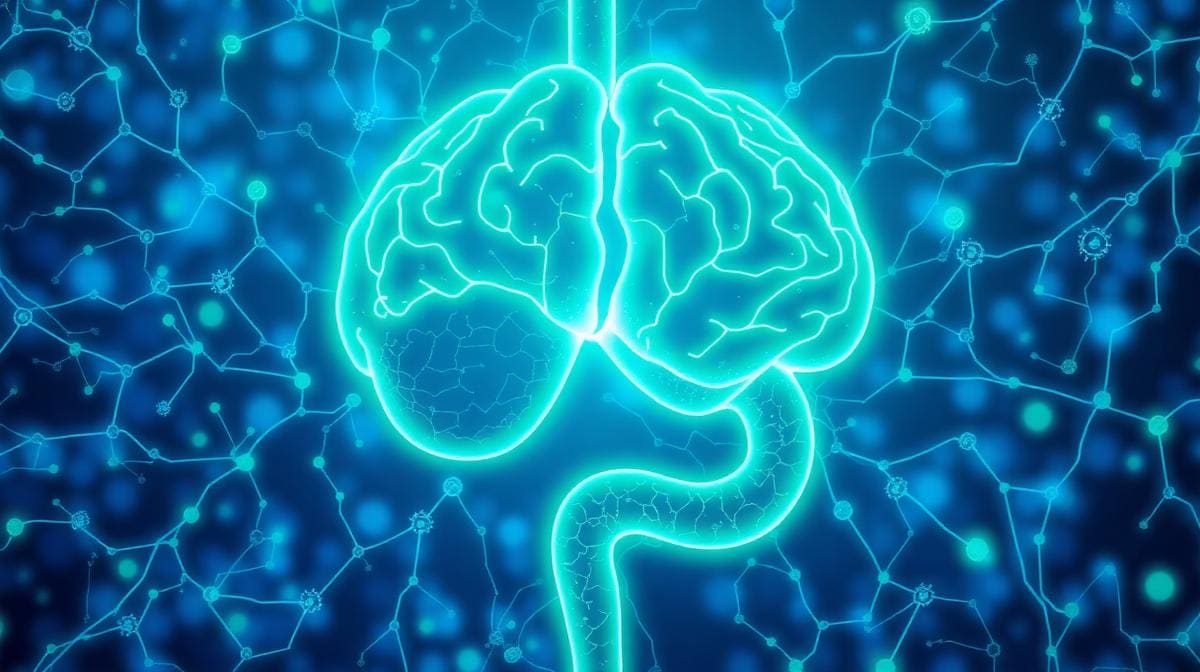
Neuroinflammation refers to inflammatory activity within the central nervous system — the brain and spinal cord. In autism, neuroinflammation has been documented through postmortem brain studies, cerebrospinal fluid analysis, and advanced neuroimaging. The most consistent finding is activated microglia — the brain's resident immune cells.
In a healthy brain, microglia serve as surveillance and maintenance cells: they clear debris, support synaptic pruning during development, and respond to injury or infection. But when microglia become chronically activated — shifted toward a pro-inflammatory M1 phenotype — they release inflammatory mediators (TNF-α, IL-1β, IL-6) that can damage neurons, disrupt synaptic signaling, impair neurotransmitter metabolism, and create a hostile environment for healthy neurodevelopment.
Multiple studies have found elevated microglial activation in the brains of individuals with autism, particularly in regions associated with communication, social cognition, and sensory processing. This chronic neuroinflammatory state may contribute to the neurological symptoms families observe: difficulty with language, social disconnection, sensory overwhelm, and impaired executive function.
Importantly, neuroinflammation is not simply 'brain swelling' in the way most people think of inflammation. It is a sustained shift in the brain's immune environment — a background state of biological reactivity that affects how neurons communicate, develop, and maintain their connections over time.
Key Neuroinflammatory Findings in Autism Research
Activated microglia (M1 polarization) documented in postmortem studies • Elevated pro-inflammatory cytokines in cerebrospinal fluid • Blood-brain barrier permeability changes in subsets of individuals • Neuroimaging evidence of microglial activation in cortical regions • Correlation between neuroinflammatory markers and symptom severity in some studies • Disrupted synaptic pruning potentially linked to chronic microglial activation
Systemic Inflammation: The Whole-Body Picture
Neuroinflammation does not exist in isolation. Many children with autism also show signs of systemic inflammation — elevated inflammatory markers in the blood that suggest the entire body is operating in a more reactive state. Studies have documented elevated levels of pro-inflammatory cytokines (TNF-α, IL-6, IL-1β, IL-8), C-reactive protein (CRP), and other inflammatory biomarkers in children on the spectrum.
This systemic inflammatory burden may manifest in ways that families recognize: chronic fatigue, irritability that seems disproportionate to triggers, frequent illness or immune reactivity, skin issues, and a general sense that the child's body is 'running hot.' These symptoms are often dismissed as behavioral in nature, but they may have a measurable biological component.
The relationship between systemic and neuroinflammation is bidirectional. Peripheral inflammatory signals can cross the blood-brain barrier (especially when its integrity is compromised, as has been documented in some autism research), and neuroinflammatory processes can influence peripheral immune function. This interconnection is why a comprehensive approach to inflammation in autism must consider both central and systemic factors.
For families exploring regenerative medicine, understanding systemic inflammation helps explain why treatments like mesenchymal stem cells — which exert broad immunomodulatory and anti-inflammatory effects through paracrine signaling — are discussed as potentially relevant to the autism inflammatory profile.
The Gut-Brain Axis: Where Inflammation Connects to Digestion
Gastrointestinal problems are remarkably common in children with autism — estimates range from 30% to over 70% depending on the study and diagnostic criteria. These include chronic constipation, diarrhea, bloating, abdominal pain, food selectivity, and evidence of intestinal inflammation on biopsy. For many families, GI distress is one of the most persistent and distressing aspects of daily life.
The gut-brain axis — the bidirectional communication network between the gastrointestinal tract and the central nervous system — provides a biological explanation for why digestive and neurological symptoms so often co-occur. The gut houses approximately 70% of the body's immune tissue and produces a significant portion of neurotransmitters including serotonin. When the gut's immune environment is disrupted — through dysbiosis, intestinal permeability ('leaky gut'), or mucosal inflammation — the effects ripple outward to affect immune function, neurotransmitter metabolism, and brain signaling.
Research in autism has documented altered gut microbiome composition, increased intestinal permeability, elevated gut-derived inflammatory markers, and correlations between GI inflammation severity and behavioral symptom severity. These findings reinforce the idea that inflammation in autism is not confined to one system — it is a multi-system biological state that affects the child's experience from digestion to cognition to behavior.
This gut-brain connection is one reason why comprehensive regenerative medicine consultations include questions about the child's digestive history, dietary patterns, and GI symptoms. Addressing the inflammatory environment systemically — not just neurologically — is part of a thoughtful treatment rationale.
Oxidative Stress and Glutathione Depletion
Oxidative stress occurs when the body's production of free radicals (reactive oxygen species) exceeds its antioxidant defense capacity. Multiple studies have documented elevated oxidative stress markers and depleted antioxidant levels in children with autism — particularly reduced glutathione, the body's most important intracellular antioxidant.
Glutathione depletion is significant because glutathione protects cells from oxidative damage, supports mitochondrial function, assists in detoxification pathways, and helps maintain cellular redox balance. When glutathione levels are chronically low — as documented in many children with ASD — cells become more vulnerable to damage, energy production is impaired, and the body's ability to manage environmental and metabolic stress is compromised.
Oxidative stress and inflammation create a self-reinforcing cycle: inflammation generates free radicals, which deplete antioxidants, which impairs cellular defense, which allows more inflammation. Breaking this cycle is part of the rationale behind including antioxidant support (including glutathione) in comprehensive regenerative protocols.
For parents, the practical takeaway is that oxidative stress is not an abstract concept — it is a measurable biological state that may contribute to energy deficits, sensory vulnerability, sleep disruption, and reduced resilience in their child. Addressing it is not about a single supplement; it is about understanding the broader metabolic environment.
Oxidative Stress Markers Documented in Autism Research
Reduced glutathione (GSH) and glutathione redox ratio • Elevated lipid peroxidation markers (MDA, 4-HNE) • Depleted superoxide dismutase (SOD) and catalase activity • Mitochondrial dysfunction and impaired energy production • Increased 8-OHdG (marker of oxidative DNA damage) • Correlation between oxidative markers and symptom severity in subsets of children
Want to Understand Your Child's Inflammatory Profile?
Our medical team in Istanbul reviews your child's medical records, lab results, and clinical history to evaluate whether inflammatory factors may be relevant to their presentation and whether regenerative medicine support could be appropriate.
Request a Free ConsultationImmune Dysregulation: Th1/Th2 Imbalance and Beyond
The immune system in many children with autism shows patterns of dysregulation that go beyond simple 'inflammation.' Research has identified specific immune abnormalities including Th1/Th2 imbalance (often skewed toward Th1 pro-inflammatory dominance), elevated Th17 cells (associated with autoimmune-like inflammatory processes), reduced regulatory T-cell function (the cells responsible for preventing excessive immune responses), and elevated natural killer (NK) cell activity.
This immune dysregulation means the child's immune system may be chronically overactive in some pathways while underperforming in others — leading to a combination of increased inflammatory burden, poor immune coordination, and heightened reactivity to environmental triggers (foods, infections, environmental exposures).
Understanding immune dysregulation is clinically important because it informs the therapeutic rationale for mesenchymal stem cell therapy. MSCs are extensively studied for their ability to modulate immune function — not by suppressing the immune system, but by promoting regulatory balance. They support T-regulatory cell development, shift macrophage and microglial polarization from M1 to M2, reduce pro-inflammatory cytokine production, and promote anti-inflammatory signaling pathways.
This immunomodulatory mechanism is why MSC therapy is discussed in the context of autism — not as a behavioral intervention, but as a biological support strategy aimed at improving the immune and inflammatory environment in which the child's neurodevelopment occurs.
How This Informs Regenerative Medicine Consultations
At TurkeyStemcell, the consultation process for autism begins with understanding the child's individual inflammatory and immune profile — not applying a generic protocol. The medical team reviews lab results, inflammatory markers (when available), GI history, immune patterns, and the child's overall clinical presentation to build a picture of their specific biological environment.
This matters because not every child with autism has the same inflammatory profile. Some children show prominent neuroinflammation with relatively mild systemic markers. Others present with significant GI inflammation and immune dysregulation. Some have documented oxidative stress and glutathione depletion. The treatment approach should reflect these individual differences.
When stem cell therapy is considered, the rationale is explained in terms of the specific inflammatory and immune factors that appear relevant to the child's case. The goal is transparent, informed decision-making — not a one-size-fits-all sales pitch. Parents should understand why a therapy is being considered, what the intended biological mechanism is, and what realistic expectations look like.
This approach is also why we encourage families to gather comprehensive medical records before the consultation — including any available lab work, developmental assessments, and GI evaluations. The more complete the picture, the more precise and responsible the treatment planning.
What the Research Says — and What It Does Not
The scientific literature on autism and inflammation is substantial and growing. Hundreds of peer-reviewed studies have documented inflammatory markers, immune abnormalities, and oxidative stress in autism populations. Meta-analyses have confirmed elevated levels of specific cytokines (IL-6, TNF-α, IL-1β) and altered immune cell profiles across multiple studies and geographic populations.
However, it is equally important to acknowledge what the research does not yet establish: a definitive causal mechanism linking inflammation to autism as a whole. The relationship is likely bidirectional and heterogeneous — inflammation may contribute to symptom severity in some children, may be a consequence of other biological factors in others, and may be largely absent in some presentations.
This nuance matters for families. Understanding inflammation in autism provides valuable biological context and supports more informed treatment planning. But it should not be presented as a simple explanation or a guaranteed treatment target. The most responsible approach is one that evaluates each child individually, uses available evidence to guide clinical reasoning, and communicates honestly about what is known and what remains under investigation.
At TurkeyStemcell, we share this evidence openly with families. We believe parents deserve access to the same scientific literature that informs our clinical decisions — explained clearly, contextualized honestly, and applied thoughtfully to their child's unique situation.
Supporting Your Child While Exploring Options
While families evaluate whether regenerative medicine may be appropriate, there are evidence-informed strategies that can support the child's inflammatory environment in the meantime. These include working with knowledgeable practitioners on anti-inflammatory nutrition, evaluating food sensitivities and gut health, ensuring adequate sleep (which is critical for inflammatory regulation), reducing unnecessary environmental exposures, and continuing developmental therapies (ABA, speech, OT) that support the child's growth regardless of biological interventions.
Regenerative medicine is not a replacement for these foundational supports — it is a complement to them. The strongest outcomes are typically seen in children whose families maintain a comprehensive, multi-disciplinary approach that addresses biology, development, behavior, and environment simultaneously.
If you want to learn more about how inflammation factors into regenerative medicine planning for your child, explore our autism FAQ for answers to common questions, or request a free consultation to begin a confidential conversation with our medical team.
Frequently Asked Questions
What does inflammation mean in the context of autism?
In autism, inflammation refers to chronic low-grade inflammatory activity that has been documented in the brain (neuroinflammation), the blood (elevated cytokines), the gut (intestinal inflammation), and at the cellular level (oxidative stress). These patterns may contribute to symptom severity and affect daily function including sleep, digestion, sensory processing, and emotional regulation.
Is neuroinflammation the same as systemic inflammation?
No. Neuroinflammation occurs within the central nervous system, involving activated microglia and elevated brain cytokines. Systemic inflammation involves inflammatory markers in the blood and peripheral tissues. Both can co-exist and interact — peripheral inflammation can cross the blood-brain barrier and vice versa — but they are distinct biological processes.
What are microglia and why do they matter in autism?
Microglia are the brain's resident immune cells. In a healthy state, they support maintenance and development. When chronically activated (M1 polarization), they release inflammatory mediators that can damage neurons, disrupt synaptic signaling, and impair neurodevelopment. Multiple studies have found elevated microglial activation in individuals with autism.
What is the gut-brain axis and how does it relate to autism inflammation?
The gut-brain axis is the bidirectional communication network between the gastrointestinal tract and the brain. In autism, disruptions in gut microbiome composition, intestinal permeability, and mucosal immunity can drive both local GI inflammation and systemic inflammatory signals that affect brain function and behavior.
Why is glutathione discussed in autism?
Glutathione is the body's most important intracellular antioxidant. Multiple studies have documented depleted glutathione levels in children with autism, which impairs their ability to neutralize free radicals, protect mitochondria, and manage oxidative stress — contributing to cellular vulnerability and energy deficits.
Does inflammation cause autism?
The relationship between inflammation and autism is complex and not fully established as a simple cause-and-effect. Research suggests inflammation may contribute to symptom severity, affect neurodevelopmental processes, and interact with genetic and environmental factors. It is best understood as a significant biological factor in many — but not all — individuals with autism.
How does stem cell therapy address inflammation in autism?
Mesenchymal stem cells (MSCs) exert anti-inflammatory and immunomodulatory effects through paracrine signaling — secreting cytokines and growth factors that reduce pro-inflammatory mediators, promote regulatory immune cell development, shift microglial polarization from M1 to M2, and support a more balanced inflammatory environment. This biological mechanism is the primary rationale for considering MSC therapy in autism.
Can inflammation be measured in my child?
Some inflammatory markers can be measured through blood tests — including cytokine panels, CRP, oxidative stress markers, and immune cell profiles. Not all relevant markers are routinely tested in standard pediatric care, which is why specialized evaluation during a regenerative medicine consultation can be valuable. Our medical team reviews available lab work and may recommend additional testing.
Is every child with autism affected by inflammation?
No. Autism is highly heterogeneous, and inflammatory profiles vary significantly between individuals. Some children show prominent inflammatory markers while others do not. This is precisely why individualized consultation and medical record review are essential before any treatment recommendation is made.
What can parents do about inflammation while exploring treatment options?
Parents can work with knowledgeable practitioners on anti-inflammatory nutrition, evaluate food sensitivities and gut health, prioritize sleep quality, reduce unnecessary environmental exposures, and continue developmental therapies. These foundational supports are complementary to — not replaced by — regenerative medicine interventions.
Continue exploring
Explore autism treatment & support pages
Continue from the blog into clinical resources, parent guidance, and our autism stem cell therapy program in Istanbul.
Autism Stem Cell Therapy
Mesenchymal stem cell and exosome programs designed for children and adults on the autism spectrum.
Visit pageCerebral Palsy Programs
Regenerative therapy plans supporting neurological function, mobility, and rehabilitation.
Visit pageAutism Parents Hub
Travel logistics, safety standards, and what families should expect when coming to Istanbul.
Visit pageAutism FAQ
Answers to the most common medical, ethical, and logistical questions parents ask before treatment.
Visit pageExplore Related Pages
Continue into condition pages, science content, and consultation resources that support this topic.
Topical tags
Written by
TurkeyStemcell Editorial Team
Medically reviewed by
Uzm. Dr. Cihan Bolat, MD