
Understanding Autoimmune Disease and Immune Dysregulation
Autoimmune diseases occur when the immune system mistakenly attacks the body's own tissues. There are over 80 recognized autoimmune conditions, affecting an estimated 5–8% of the global population. Conventional treatments rely on immunosuppressive drugs that reduce symptoms but carry significant side effects — increased infection risk, organ toxicity, and long-term complications — without addressing the underlying immune dysregulation.
Mesenchymal stem cell therapy represents a paradigm shift in autoimmune disease management. Rather than broadly suppressing the immune system, MSCs exert targeted immunomodulatory effects — rebalancing immune function, promoting regulatory T-cell populations, and reducing pathological inflammation while preserving the body's ability to fight infection. This distinction between immunomodulation and immunosuppression is the foundation of our approach.
The chronic inflammatory burden of autoimmune disease extends beyond the primary organ affected — systemic inflammation drives fatigue, cardiovascular risk, metabolic disruption, and reduced quality of life. MSC therapy aims to address this systemic inflammation at its immunological source rather than masking individual symptoms.
Autoimmune Conditions We Evaluate in Istanbul
Our immunology and regenerative medicine team evaluates patients with a wide range of autoimmune conditions. Each case undergoes individualized assessment of disease activity, organ involvement, medication history, and treatment goals.
Rheumatoid Arthritis
Chronic inflammatory joint condition driven by autoimmune synovial inflammation. MSCs may modulate T-cell and macrophage activity to reduce joint destruction (ICD-10: M05-M06).
Systemic Lupus (SLE)
Multi-system autoimmune disease affecting kidneys, CNS, skin, and joints. MSC therapy has shown improved disease activity scores (SLEDAI) in clinical studies (ICD-10: M32).
Crohn's Disease
Inflammatory bowel disease with transmural GI inflammation. MSCs provide anti-inflammatory signaling and mucosal healing support for intestinal tissue (ICD-10: K50).
Multiple Sclerosis
Autoimmune demyelinating disease of the CNS. MSCs address the autoimmune attack on myelin with both immunomodulatory and neuroprotective signaling (ICD-10: G35).
Type 1 Diabetes
Autoimmune beta-cell destruction in the pancreas. MSCs may help preserve remaining insulin-producing function and modulate the autoimmune cascade (ICD-10: E10).
Psoriasis & Psoriatic Arthritis
Th17-driven skin and joint inflammation. MSC therapy may reduce skin lesion severity, joint symptoms, and systemic inflammatory burden (ICD-10: L40).
Scleroderma
Progressive connective tissue fibrosis affecting skin and internal organs. MSCs may modulate fibrotic pathways and support tissue repair (ICD-10: M34).
Inflammatory Bowel Disease
Ulcerative colitis and Crohn's disease. MSC therapy targets intestinal immune dysregulation and mucosal barrier repair (ICD-10: K51).
Why Autoimmune Patients Explore Regenerative Medicine
Despite advances in immunology, conventional autoimmune treatment faces fundamental limitations. Disease-modifying antirheumatic drugs (DMARDs), biologics, and corticosteroids can control symptoms but often: increase infection susceptibility, cause organ toxicity with prolonged use, require indefinite escalation as disease progresses, and never fully restore damaged tissue. Many patients experience refractory disease — flaring despite maximum conventional therapy.
This therapeutic ceiling drives growing interest in regenerative immunomodulatory approaches. MSC therapy offers a fundamentally different mechanism: rather than pharmacologically blocking immune pathways, MSCs interact directly with immune cells to restore regulatory balance. This distinction matters because it may support immune health rather than simply suppressing immune activity.
International patients from the United States, United Kingdom, Germany, and the Middle East increasingly seek autoimmune stem cell therapy in Istanbul due to advanced medical infrastructure, specialized immunology expertise, and costs 40–60% lower than Western alternatives.
Living with an Autoimmune Condition?
Submit your medical records, disease activity scores, and laboratory results for a complimentary evaluation by our immunology and regenerative medicine team in Istanbul.
How MSCs Modulate Autoimmune Responses
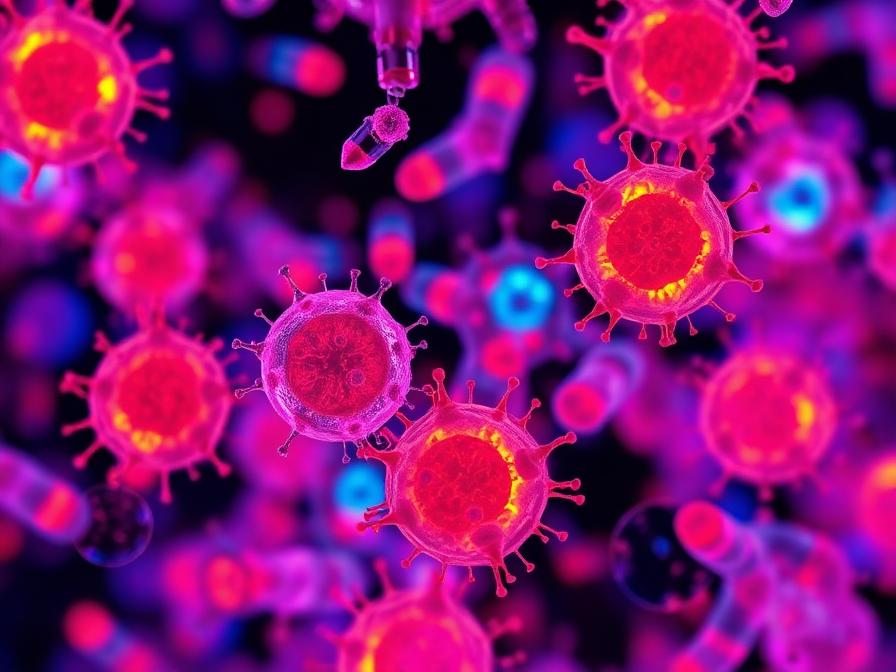
Wharton's Jelly–derived MSCs modulate autoimmune responses through multiple sophisticated mechanisms that fundamentally distinguish them from conventional immunosuppression:
T-Cell Regulation
MSCs promote generation of regulatory T-cells (Tregs) that suppress pathological autoimmune responses while maintaining normal immune surveillance against infections.
Cytokine Rebalancing
MSCs shift the cytokine profile from pro-inflammatory (TNF-α, IL-6, IL-17) toward anti-inflammatory (IL-10, TGF-β), reducing systemic and organ-specific inflammation.
Dendritic Cell Reprogramming
MSCs can reprogram dendritic cells toward a tolerogenic phenotype, reducing initiation of new autoimmune cascades and promoting long-term immune tolerance.
B-Cell & Tissue Repair
MSCs inhibit pathological B-cell activation and autoantibody production while directly supporting regenerative repair of tissues damaged by autoimmune attack.
Additional immunomodulatory mechanisms
- Macrophage polarization from pro-inflammatory (M1) to reparative (M2) phenotypes
- Natural killer (NK) cell activity modulation to reduce tissue-specific damage
- Prostaglandin E2 (PGE2) secretion supporting local immune tolerance
- Indoleamine 2,3-dioxygenase (IDO) expression inhibiting T-cell proliferation
- Galectin-1 and HLA-G expression contributing to immune privilege
Exosome Therapy for Autoimmune Conditions
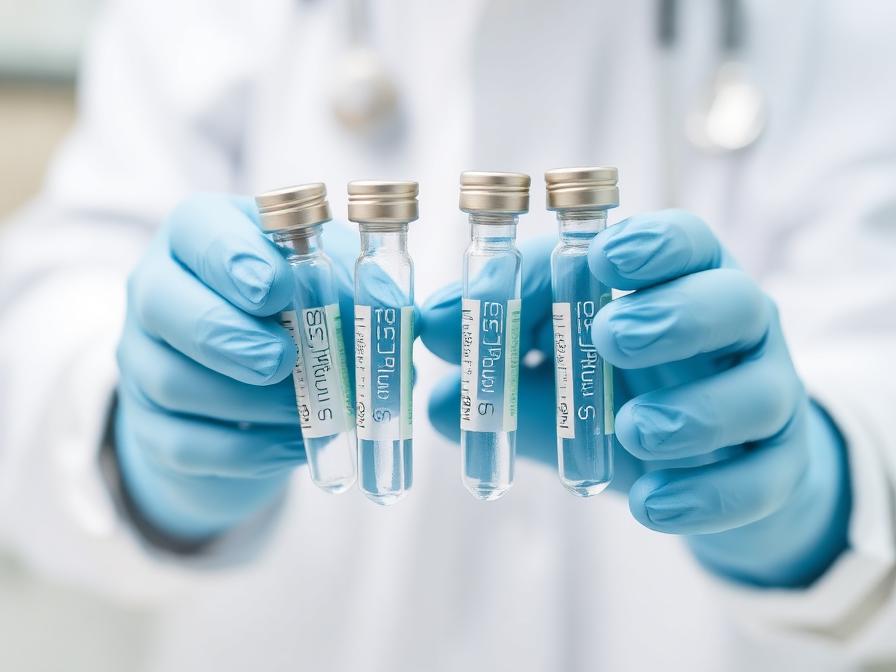
Exosomes carry concentrated immunomodulatory cargo including regulatory microRNAs (miR-146a, miR-155), anti-inflammatory cytokines (IL-10, TGF-β), and signaling molecules that directly modulate immune cell behavior at the cellular level.
In autoimmune applications, exosomes may: reduce autoantibody production by modulating B-cell activity, promote regulatory T-cell differentiation, suppress Th17-mediated inflammatory pathways particularly relevant to conditions like psoriasis and rheumatoid arthritis, and support tissue repair in organs damaged by chronic autoimmune attack. Exosome therapy complements MSC infusion for an enhanced multi-modal immunomodulatory approach.
Who May Be Eligible for Autoimmune Stem Cell Therapy
Candidacy for autoimmune regenerative therapy is determined through comprehensive medical review by our immunology team. We evaluate each patient's disease activity, organ involvement, medication history, and treatment goals individually.
- Patients with documented autoimmune conditions under active rheumatology or immunology care
- Individuals with moderate-to-severe disease not adequately controlled by conventional DMARDs or biologics
- Patients experiencing significant medication side effects seeking adjunctive regenerative strategies
- Those with autoimmune conditions affecting multiple organ systems (multi-system autoimmunity)
- Patients with refractory autoimmune disease — flaring despite maximum conventional therapy
- International patients seeking cost-effective immunomodulatory regenerative care in a world-class facility
- Patients with realistic expectations about supportive (non-curative) treatment goals
Your Autoimmune Treatment Journey in Istanbul
Remote Medical Review
Submit medical records, laboratory results (CRP, ESR, ANA, anti-dsDNA, RF), disease activity scores (DAS28, SLEDAI), and imaging. Our immunology team evaluates candidacy and designs a preliminary protocol.
Arrival & Comprehensive Assessment
Airport VIP transfer and hotel accommodation. On-site evaluation including blood work, inflammatory marker assessment, organ function testing, and final treatment protocol customization.
IV MSC & Exosome Administration
Intravenous mesenchymal stem cell infusion for systemic immunomodulation. Optional exosome therapy for enhanced immunoregulatory signaling. 2–3 treatment days based on disease complexity.
Recovery & Immune Monitoring
Post-treatment observation with repeat inflammatory marker assessment. Personalized management recommendations including lifestyle, nutrition, and ongoing medication guidance.
Structured Remote Follow-Up
Monitoring at 1, 3, 6, and 12 months via video consultation. Inflammatory marker tracking (CRP, ESR), disease activity scoring, medication review, and assessment of quality-of-life improvements.
Why International Patients Choose Istanbul for Autoimmune Treatment

Our Immunology Treatment Facility
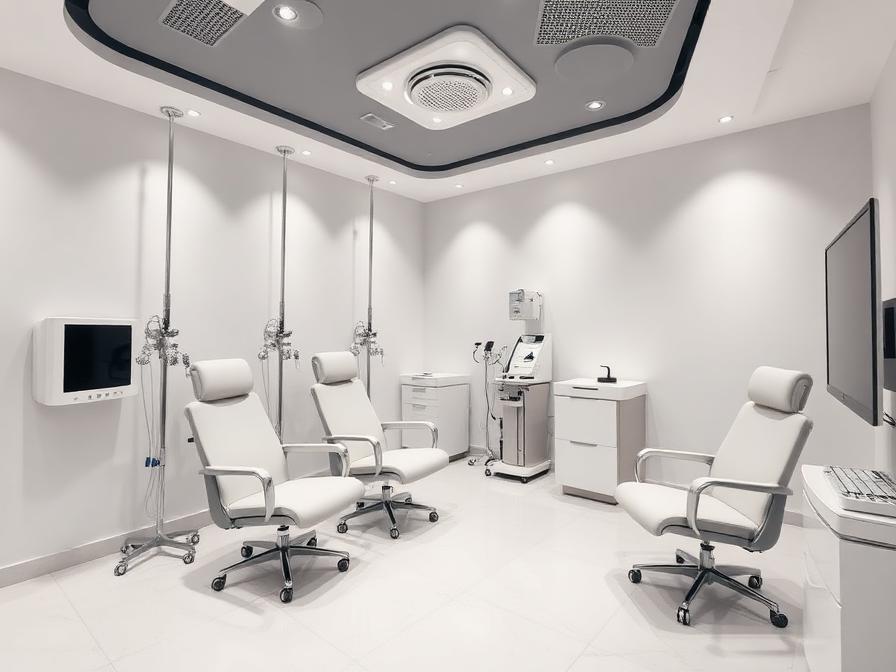
Our Istanbul facility includes dedicated IV infusion suites, sterile cell preparation areas, and comfortable recovery spaces designed for autoimmune patients. Every protocol follows strict quality assurance from cell sourcing through administration and long-term immunological monitoring.
Related Conditions & Treatments
Explore specific autoimmune conditions and related regenerative treatments:
Important Medical Disclaimer
Stem cell therapy for autoimmune conditions is an evolving field. This information is for educational purposes and does not constitute medical advice. Results vary — no outcomes are guaranteed. MSC therapy should not replace prescribed immunological medications or standard rheumatological care. All treatment decisions follow thorough physician evaluation. Contact us with any questions about our approach to autoimmune regenerative medicine.