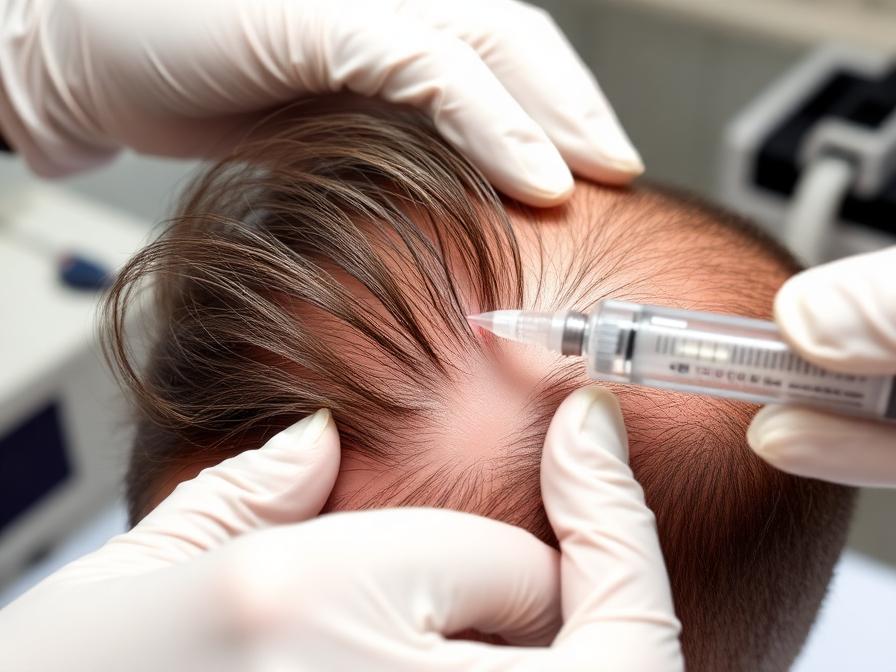
The Regenerative Approach to Hair Loss
Hair loss affects over 80% of men and 50% of women by age 70, impacting self-confidence, social interactions, and quality of life. While conventional treatments like minoxidil and finasteride can slow progression, they don't address the underlying regenerative decline in hair follicle stem cells — the biological root cause of progressive hair miniaturization.
Regenerative hair restoration uses stem cell-derived growth factors, exosomes, and platelet-rich plasma (PRP) to rejuvenate dormant follicles, stimulate new growth cycles, and improve hair quality from the dermal papilla level. This approach targets the biology of hair loss rather than just managing symptoms — activating the follicle's own regenerative capacity.
Istanbul has become the global capital of hair restoration, with millions of procedures performed annually. Our clinic combines this expertise with cutting-edge regenerative medicine — offering patients access to treatments that go beyond standard transplant-only approaches.
Hair Loss Conditions We Treat
Androgenetic Alopecia (Male)
Male pattern hair loss driven by genetic DHT sensitivity and progressive follicle miniaturization. The most common cause of hair loss in men, affecting the frontal, temporal, and vertex regions (ICD-10: L64).
Female Pattern Hair Loss
Diffuse thinning across the crown and parting line. Often related to hormonal changes, genetic factors, and follicular aging. Regenerative therapy can support density without systemic medication side effects.
Alopecia Areata
Autoimmune patchy hair loss where the immune system attacks hair follicles. MSC-derived exosomes may modulate the local immune response and support follicle recovery (ICD-10: L63).
Diffuse Thinning
Overall density reduction related to nutritional deficiency, hormonal changes, stress, thyroid conditions, or chronic illness. Regenerative protocols target multiple contributing factors simultaneously.
Post-Transplant Enhancement
Regenerative treatments to improve hair transplant graft survival rates, stimulate native follicle growth around transplanted grafts, and enhance overall transplant outcomes.
Stress & Telogen Effluvium
Excessive shedding triggered by physical or emotional stress, illness, surgery, or hormonal shifts. Growth factor therapy may accelerate recovery and restore normal hair cycling.
Why Patients Choose Regenerative Hair Therapy Over Conventional Treatments
Conventional hair loss treatments have significant limitations: minoxidil requires indefinite daily application and loses efficacy when stopped. Finasteride carries hormonal side effects that many patients find unacceptable. Hair transplants address coverage but don't treat the underlying follicular decline that causes progressive miniaturization in non-transplanted areas.
Regenerative therapy addresses the biological foundation — delivering growth factors, anti-inflammatory signals, and stem cell-derived cargo directly to the follicular microenvironment. This can complement transplant procedures, enhance pharmaceutical treatments, or serve as a standalone approach for patients seeking drug-free hair restoration support.
Ready to Explore Regenerative Hair Restoration?
Send us photos of your hair loss pattern and a brief medical history for a complimentary evaluation by our regenerative dermatology team in Istanbul.
How Regenerative Therapy Supports Hair Growth
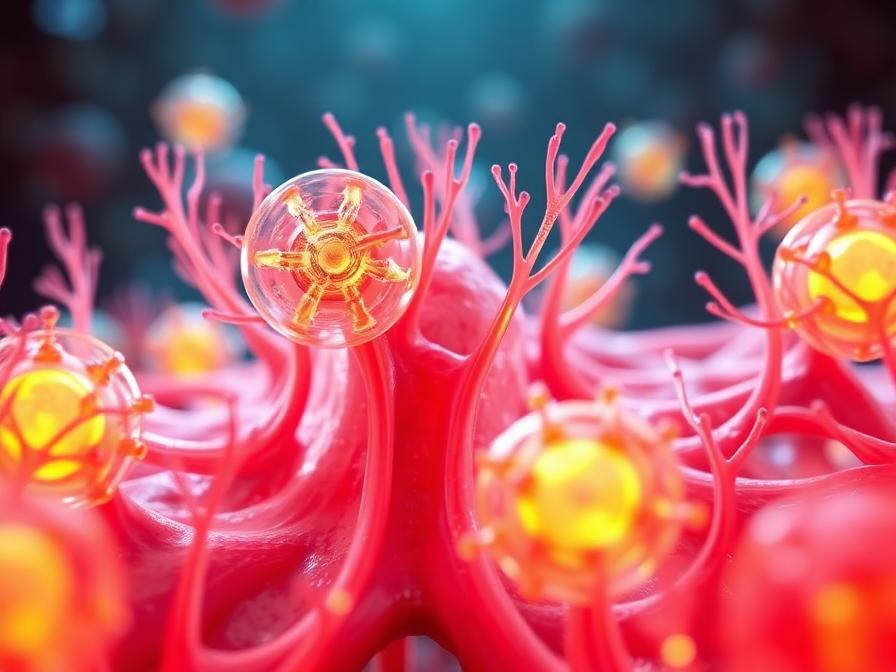
Regenerative hair restoration works at the cellular level, targeting the dermal papilla and follicular stem cell niche with concentrated biological signals that promote hair cycling and follicle health.
Follicle Reactivation
Growth factors (VEGF, FGF, IGF-1, PDGF) activate dormant telogen follicles and extend the anagen (growth) phase of the hair cycle.
Anti-Inflammatory Action
Reduce perifollicular inflammation that contributes to follicle miniaturization, premature catagen entry, and progressive thinning.
Angiogenesis Support
Promote new blood vessel formation around follicles, improving nutrient and oxygen delivery to the dermal papilla — critical for follicle health.
Stem Cell Niche Support
Regenerative signaling supports the bulge stem cell population, promoting healthier, more robust hair cycling and improved hair shaft quality.
Our Treatment Protocols
Stem Cell-Enriched PRP (SC-PRP)
Combines your own platelet-rich plasma with MSC-derived growth factors for enhanced follicular stimulation. A concentrated cocktail of VEGF, FGF, IGF-1, and PDGF delivered directly to the scalp via micro-injection for maximum follicle activation. Performed under local anesthesia in a single 60-minute session.
Exosome Scalp Therapy
MSC-derived exosomes (30–150 nm nano-vesicles) injected into the scalp deliver regenerative signaling cargo — including growth factors, anti-inflammatory cytokines, and regulatory microRNAs — directly to hair follicle stem cells. May reactivate dormant follicles, reduce inflammation, and improve overall hair density and quality.
Combined Regenerative Program
Our most comprehensive approach combines SC-PRP, exosome therapy, and topical growth factor application in a multi-session protocol. Ideal for moderate to advanced hair loss, post-transplant optimization, or patients seeking maximum regenerative support. Typically 3–6 sessions over 12 months.
Exosome Therapy for Hair Restoration
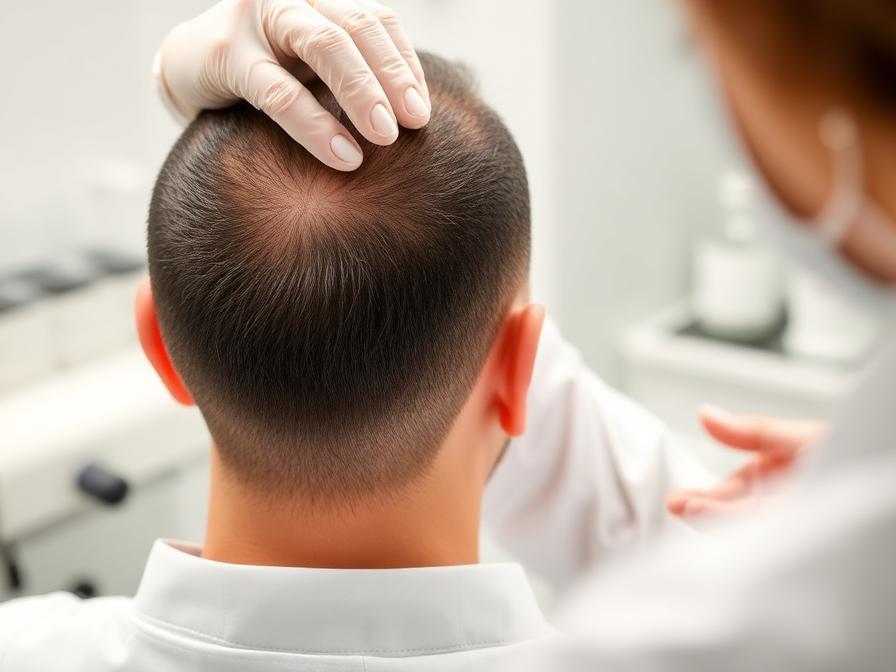
Exosomes represent the next generation of regenerative hair restoration. These nano-vesicles carry concentrated growth factors (VEGF, PDGF, EGF), anti-inflammatory cytokines (IL-10), and regulatory microRNAs (miR-21, miR-31) directly to hair follicle stem cells — promoting reactivation, reducing perifollicular inflammation, and supporting optimal anagen cycling.
Unlike topical treatments that struggle to penetrate the scalp, exosomes are delivered via precise micro-injection directly into the follicular microenvironment. This targeted delivery ensures maximum bioavailability of regenerative cargo exactly where it's needed — at the dermal papilla and bulge stem cell niche.
Expected Results and Timeline
- Reduced shedding: typically within 4–6 weeks of first treatment session
- Early density improvement: visible within 3–4 months as regenerative processes activate dormant follicles
- Significant improvement: 6–9 months with noticeable density, thickness, and quality changes
- Full results: 9–12 months with continued improvement possible in subsequent cycles
- Recommended protocol: 3–6 sessions over 12 months for optimal regenerative effect
- Maintenance: treatments every 6–12 months to sustain and build on improvements
Who Is a Candidate for Regenerative Hair Restoration
- Men with early-to-moderate androgenetic alopecia (Norwood stages II–V)
- Women with diffuse thinning or female pattern hair loss (Ludwig classification I–II)
- Patients with alopecia areata seeking immune-modulatory follicular support
- Hair transplant patients wanting to optimize graft survival and stimulate native growth
- Individuals experiencing stress-related shedding or telogen effluvium
- Patients seeking drug-free alternatives to minoxidil or finasteride
- Those with realistic expectations about gradual, progressive improvement
Why Patients Choose Istanbul for Hair Restoration
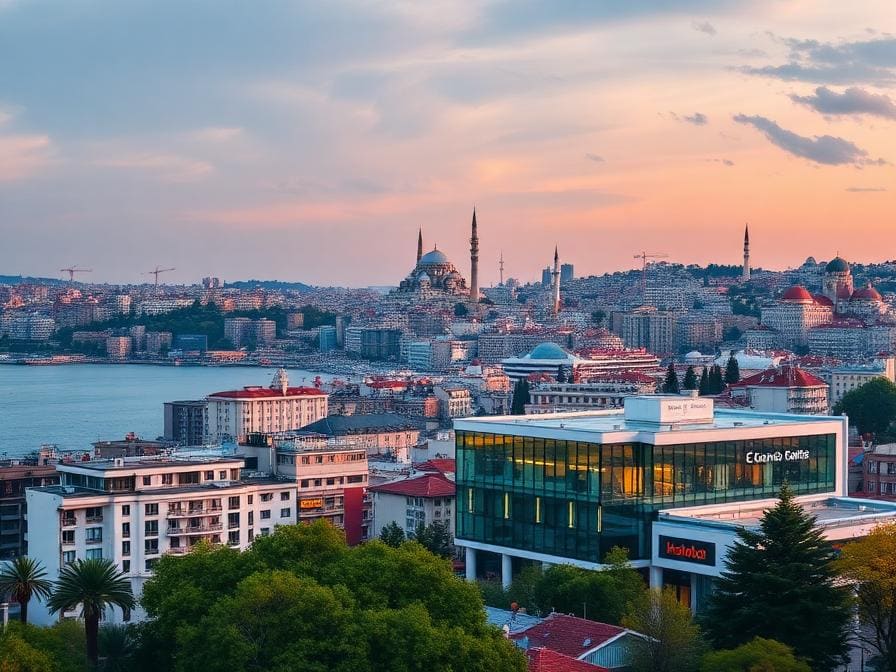
Our Regenerative Hair Clinic
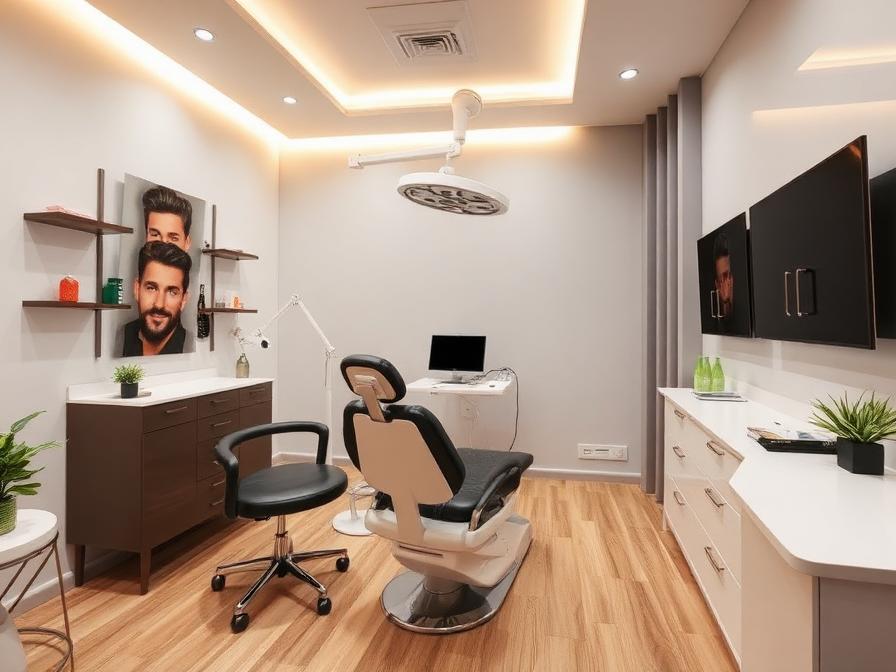
Our Istanbul clinic features dedicated treatment suites equipped with advanced scalp imaging, PRP processing equipment, and sterile exosome preparation areas. Every protocol is administered by experienced practitioners under dermatology specialist oversight, ensuring precision, comfort, and optimal results.
Important Medical Disclaimer
Regenerative hair restoration results vary by individual. This information is for educational purposes only. Complete hair regrowth cannot be guaranteed. Treatment outcomes depend on hair loss stage, underlying causes, individual biology, and adherence to protocol recommendations. Contact us for a personalized evaluation.