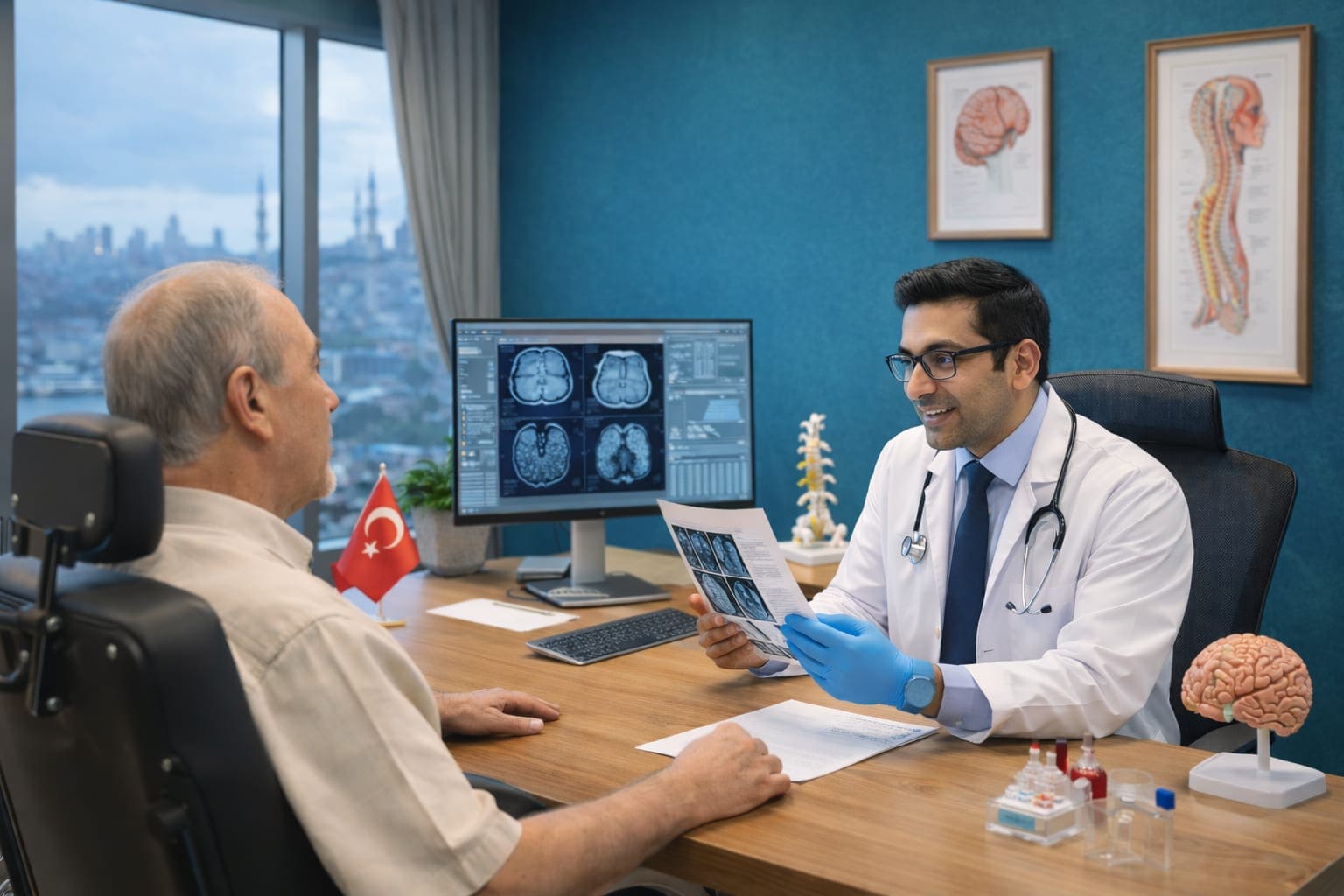
What Is ALS (Amyotrophic Lateral Sclerosis)?
Amyotrophic lateral sclerosis — also called ALS, motor neuron disease (MND), or Lou Gehrig's disease — is a progressive neurodegenerative condition that destroys the upper and lower motor neurons controlling voluntary muscle movement. As these neurons degenerate, patients gradually lose the ability to walk, speak, swallow, and eventually breathe independently.
ALS affects approximately 2–3 per 100,000 people worldwide, with most diagnoses occurring between ages 40 and 70. Roughly 90% of cases are sporadic (no family history), while 5–10% are familial. The condition currently has no known cure, and conventional treatments — primarily riluzole and edaravone — focus on modest symptom management and slowing progression.
This significant unmet medical need is driving growing international interest in regenerative medicine for ALS, including mesenchymal stem cell (MSC) therapy and exosome therapy, as part of a broader supportive strategy. Istanbul, Turkey has emerged as a key destination for patients seeking these advanced protocols at accredited medical facilities.
Symptoms and Stages of ALS Progression
Understanding ALS progression helps patients and families make informed decisions about when to explore supportive options like stem cell treatment for ALS in Istanbul. The disease typically progresses through recognizable stages:
Early Signs
- Muscle twitching and fasciculations
- Focal weakness in one hand, foot, or limb
- Difficulty with fine motor tasks (buttons, writing)
- Subtle speech or voice changes (dysarthria)
- Unexplained muscle cramps
Mid-Stage Progression
- Spreading weakness across multiple limbs
- Visible muscle atrophy and wasting
- Increasing difficulty walking and balance loss
- Swallowing difficulties (dysphagia)
- Need for mobility aids or assistive devices
Advanced Disease
- Significant loss of voluntary movement
- Respiratory muscle weakness requiring support
- Dependence on communication devices
- Nutritional support via PEG tube
- Full-time caregiver requirements
Because ALS is progressive and currently irreversible, many patients seek every medically supervised avenue — including ALS stem cell therapy in Turkey — to support quality of life and functional preservation during earlier disease stages when regenerative interventions may have the greatest potential impact.
Why ALS Patients Explore Regenerative Medicine in Turkey
The gap between patient need and available conventional therapy for motor neuron disease has driven global interest in ALS regenerative medicine. Turkey — and Istanbul specifically — has become a focal point for patients from North America, Europe, and the Middle East seeking scientifically grounded, compassionate alternatives.
Limitations of conventional ALS treatment
Riluzole extends median survival by approximately 2–3 months. Edaravone may slow functional decline in a subset of patients. Neither halts disease progression or reverses motor neuron damage. Physical therapy, respiratory support, and nutritional management remain the primary pillars of conventional ALS care — important, but insufficient for many patients and families seeking proactive strategies.
The regenerative medicine rationale for ALS
- Published preclinical evidence showing mesenchymal stem cells may secrete neurotrophic factors (BDNF, GDNF, VEGF) that support motor neuron survival
- Phase I/II clinical trials demonstrating safety and tolerability of intrathecal MSC administration in ALS patients
- Growing evidence that exosome therapy can deliver neuroprotective cargo across the blood-brain barrier
- Immunomodulatory properties of Wharton's Jelly MSCs may help regulate the neuroinflammatory cascade contributing to motor neuron damage
- Istanbul offers accredited facilities, experienced neurological teams, and significantly lower treatment costs than Western alternatives
Our approach at TurkeyStemcell is evidence-informed, not evidence-manufactured. We review the published clinical literature with every patient and set expectations grounded in what current science supports.
How Mesenchymal Stem Cells May Support ALS Patients

Wharton's Jelly MSCs prepared under sterile conditions for ALS protocols
Mesenchymal stem cells (MSCs) — particularly those derived from Wharton's Jelly (umbilical cord tissue) — are at the center of regenerative medicine research for neurodegenerative conditions including ALS. Unlike bone marrow–derived cells, WJ-MSCs are younger, more proliferative, and exhibit stronger immunomodulatory and paracrine signaling properties.
Potential biological mechanisms relevant to motor neuron disease
- Secretion of neurotrophic factors (BDNF, GDNF, NGF, VEGF, IGF-1) that may promote motor neuron survival and axonal repair signaling
- Modulation of microglial activation and astrocyte reactivity — key drivers of neuroinflammation in ALS pathology
- Regulation of pro-inflammatory cytokines (TNF-α, IL-1β, IL-6) and upregulation of anti-inflammatory mediators (IL-10, TGF-β)
- Paracrine support of the neurovascular unit and blood-spinal cord barrier integrity
- Potential mitochondrial transfer to stressed motor neurons via tunneling nanotubes
- Modulation of T-regulatory cell populations that may influence disease-specific immune dysregulation
Administration routes for ALS
At TurkeyStemcell, MSCs are administered through carefully planned protocols that typically combine:
- Intravenous (IV) infusion — for systemic immunomodulation, anti-inflammatory effects, and broad neuroprotective signaling
- Intrathecal injection — delivering cells directly into the cerebrospinal fluid for targeted access to the spinal cord motor neurons most affected by ALS
Learn more about our cell processing, quality control, and treatment science.
ALS Exosome Therapy: A Targeted Regenerative Approach
Exosome therapy is an advanced cell-free regenerative strategy attracting significant attention in ALS and broader neurodegenerative research. Exosomes are 30–150 nm extracellular vesicles secreted by mesenchymal stem cells, carrying a cargo of bioactive proteins, lipids, mRNA, and microRNAs capable of modulating cellular behavior in target tissues.
Why exosome therapy is relevant to ALS treatment in Turkey
- Exosomes cross the blood-brain barrier and blood-spinal cord barrier — reaching degenerating motor neurons that systemic treatments cannot easily access
- They carry neuroprotective microRNAs (miR-133b, miR-21, miR-146a) shown to modulate neuroinflammation and apoptosis pathways
- Cell-free delivery reduces immunogenicity risks while preserving the paracrine therapeutic potential of parent MSCs
- Exosomes can be administered alongside stem cell infusions for synergistic neuroprotective and immunomodulatory effects
- Concentrated exosome preparations allow high-dose delivery of therapeutic cargo in a single session
Our clinical team evaluates whether ALS exosome therapy is appropriate as part of your individualized protocol in Istanbul, based on your specific disease profile, progression pattern, and treatment goals.
Considering ALS Stem Cell Therapy in Istanbul?
Our medical team reviews your ALS diagnosis, ALSFRS-R score, respiratory function, and treatment history — free of charge. Receive an honest candidacy assessment and personalized protocol recommendation.
Why ALS Patients Choose Istanbul, Turkey for Stem Cell Treatment

Istanbul has established itself as one of the world's leading destinations for ALS stem cell therapy and regenerative medicine. Patients from the United States, United Kingdom, Canada, Germany, the Netherlands, UAE, Saudi Arabia, and dozens more countries choose our ALS clinic in Istanbul for multiple interconnected reasons:
Internationally Accredited Facilities
JCI and ISO-accredited hospitals with dedicated neurology departments, clean-room cell processing laboratories, and regenerative medicine infrastructure meeting international standards.
Experienced Neurology & Stem Cell Teams
Specialist physicians with training in clinical neurology, stem cell biology, and international patient medicine — experienced in ALS, MS, Parkinson's, spinal cord injury, and TBI protocols.
Comprehensive International Patient Support
Wheelchair-accessible airport transfers, medical transport, accessible hotel coordination, caregiver accommodation, multilingual support, and 24/7 patient liaison throughout your stay.
Significant Cost Advantage
World-class ALS stem cell treatment at 40–70% lower cost than US, UK, or Western European alternatives — without compromising cell quality, clinical oversight, or patient safety.
Istanbul's strategic geographic position — bridging Europe, the Middle East, and Central Asia — makes it easily accessible for ALS patients worldwide. Many international flights land at Istanbul Airport (IST), one of the world's largest and most modern hubs. Learn more about the international patient journey or explore our clinic, team, and philosophy.
Your ALS Stem Cell Treatment Journey in Istanbul

Every ALS patient journey at TurkeyStemcell follows a structured, medically guided process designed for safety, transparency, and compassionate coordination:
Comprehensive Medical Record Review
Submit your ALS diagnosis documentation, ALSFRS-R assessment, EMG/NCS results, MRI imaging, current medication list, respiratory function data (FVC), and any prior treatment records. Our clinical team conducts an honest candidacy evaluation — not every applicant is accepted for treatment.
Personalized Protocol & Consultation
Receive a detailed treatment protocol recommendation tailored to your ALS stage and progression pattern. This includes expected stem cell type and dose, administration routes (IV, intrathecal, or combined), whether exosome therapy is appropriate, estimated Istanbul stay duration, full cost transparency, and travel logistics guidance.
Arrival & Medical Onboarding in Istanbul
Our international patient team arranges wheelchair-accessible airport transfers, accessible hotel accommodation near the clinic, and caregiver lodging. Upon arrival, you undergo baseline neurological assessment, blood work, and vitals before treatment begins.
ALS Stem Cell Treatment Protocol
Your individualized protocol may include multiple IV mesenchymal stem cell infusions, intrathecal stem cell administration into the cerebrospinal fluid, and/or exosome therapy sessions — all performed in accredited facilities under continuous specialist medical supervision and monitoring.
Post-Treatment Monitoring & Long-Term Follow-Up
Monitored recovery during your remaining Istanbul stay. Before departure, you receive a complete treatment summary and follow-up plan. Structured remote follow-up at 1, 3, 6, and 12 months tracks ALSFRS-R scores, respiratory function, patient-reported outcomes, and overall functional trajectory.
Who May Be Eligible for ALS Stem Cell Therapy in Istanbul
Patient safety and honest candidacy evaluation guide every decision at TurkeyStemcell. Not every ALS patient is appropriate for regenerative medicine. Our clinical team conducts thorough review before recommending any protocol:
Typical Candidate Profile
- Confirmed ALS diagnosis by a qualified neurologist (El Escorial criteria)
- ALSFRS-R score and documented rate of progression
- Adequate respiratory function (FVC typically >40%)
- Ability to travel to Istanbul with caregiver support
- Realistic expectations about supportive, non-curative goals
- Willingness to maintain standard neurology follow-up at home
Records We Review
- Neurologist diagnosis letter and clinical notes
- EMG / nerve conduction study (NCS) results
- Brain and spinal MRI imaging
- Forced vital capacity (FVC) pulmonary function test
- Current medication and supplement list
- Any prior stem cell or regenerative treatment records
We prioritize quality over volume and decline applications where treatment would not serve the patient's best interest. Request your free ALS evaluation to begin the confidential review process, or contact our team with any questions.
Frequently Asked Questions About ALS Stem Cell Therapy in Turkey
Answers to common questions from international patients exploring ALS regenerative medicine in Istanbul.