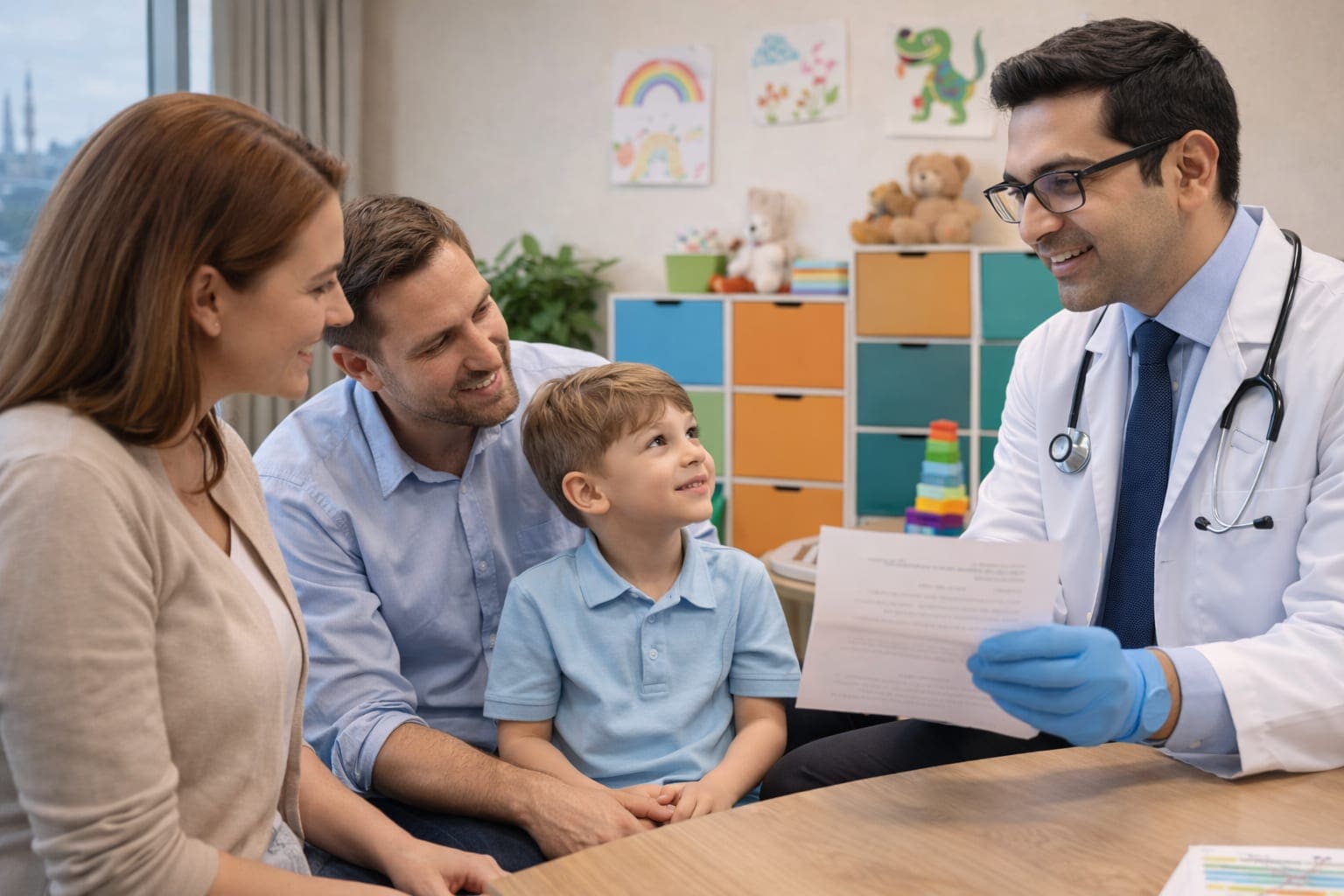
What Is Autism Spectrum Disorder?
Autism Spectrum Disorder (ASD) is a complex neurodevelopmental condition characterized by differences in social communication, behavioral patterns, and sensory processing. Autism presents across a broad spectrum — from individuals requiring substantial daily support to those who are highly independent but experience challenges with social reciprocity, emotional regulation, executive function, or sensory integration.
While the exact etiology of autism remains under active investigation, research has identified several interconnected biological factors that may contribute to its development and severity. These include chronic neuroinflammation with activated microglial cells, systemic and CNS immune dysregulation, mitochondrial dysfunction affecting neuronal energy metabolism, elevated oxidative stress, blood-brain barrier permeability, altered neurotransmitter signaling (particularly GABAergic and glutamatergic imbalances), and gut-brain axis disruption involving the vagus nerve, enteric nervous system, and altered gut microbiome composition.
Autism affects approximately 1 in 36 children according to recent CDC estimates, making it one of the most prevalent neurodevelopmental conditions worldwide. The growing understanding of these biological underpinnings has opened transformative avenues for supportive intervention — including regenerative medicine for autism that targets the cellular and immunological environment rather than only behavioral symptoms.
The Neurobiology of Autism: Why Biology Matters
Understanding the biological landscape of autism spectrum disorder is essential to grasping why regenerative medicine represents a fundamentally different approach from conventional therapies. Research over the past two decades has revealed that ASD is not solely a behavioral condition — it has deep neurobiological roots that influence brain development, immune function, and whole-body physiology:
- Microglial activation and neuroinflammation — postmortem and PET imaging studies have demonstrated chronically activated microglia in the prefrontal cortex, cerebellum, and anterior cingulate cortex of individuals with ASD. These immune cells, when persistently activated, release pro-inflammatory cytokines (IL-6, TNF-α) and reactive oxygen species that impair synaptic pruning, myelination, and neural circuit formation during critical developmental windows.
- Immune dysregulation — altered T-cell subset ratios (Th1/Th2 imbalance), elevated natural killer (NK) cell cytotoxicity, increased maternal and neonatal cytokine profiles, and autoantibodies targeting brain proteins (anti-neuronal, anti-myelin basic protein) have been consistently documented in ASD research.
- Mitochondrial dysfunction — estimated to affect 30–50% of individuals with ASD, mitochondrial impairment reduces ATP production essential for neuronal firing, neurotransmitter synthesis, and synaptic plasticity. This energy deficit may contribute to developmental delays and cognitive challenges.
- Oxidative stress — elevated markers of oxidative damage (lipid peroxidation, 8-OHdG, decreased glutathione) are common in ASD, suggesting that developing neural circuits are under chronic oxidative assault that conventional antioxidant supplementation alone cannot fully address.
- Gut-brain axis disruption — altered intestinal permeability ("leaky gut"), dysbiotic microbiome profiles (decreased Bifidobacterium, increased Clostridia), and impaired vagal tone create a feedback loop where gut inflammation amplifies CNS inflammation via the vagus nerve and systemic immune activation.
- Epigenetic and synaptic factors — aberrant DNA methylation patterns, altered histone modifications, and disrupted expression of synaptic genes (SHANK3, NLGN, NRXN) contribute to the connectivity differences observed on functional MRI in individuals with ASD.
These biological findings explain why behavioral therapies alone — while valuable for skill acquisition — cannot fully address the underlying neurobiology. Mesenchymal stem cell therapy for autism targets multiple pathways simultaneously: modulating neuroinflammation, rebalancing the immune system, supporting mitochondrial function, reducing oxidative stress, and restoring gut-brain axis integrity. Learn more about our scientific approach to regenerative medicine.
Common Challenges Families Navigate
Every child on the autism spectrum is unique, but families seeking autism treatment in Istanbul often describe a combination of the following developmental and daily-life challenges:
Communication & Language
Delayed speech development, limited verbal expression, difficulty with conversational reciprocity, echolalia, pragmatic language challenges, or difficulties understanding non-literal language, idioms, and social cues.
Social Interaction
Difficulties with joint attention, sustained eye contact, peer relationships, emotional recognition and expression, theory of mind, cooperative play, and navigating unwritten social rules and expectations.
Behavioral Regulation
Repetitive behaviors (stimming), rigid routines and insistence on sameness, difficulty with transitions, emotional dysregulation, meltdowns triggered by sensory overload or schedule changes, and restricted interests.
Sensory Processing
Hyper- or hypo-sensitivity to sounds, textures, lights, tastes, smells, or proprioceptive input. Sensory overload in busy environments, sensory-seeking behaviors, vestibular challenges, or tactile defensiveness.
Focus & Executive Function
Variable attention span, difficulty with task initiation and completion, working memory challenges, poor time management, co-occurring ADHD symptoms, and difficulty with planning, organization, and flexible thinking.
GI & Sleep Health
Chronic constipation, diarrhea, abdominal pain, food selectivity, nutritional deficiencies, gut-brain axis dysfunction, disrupted circadian rhythm, sleep onset insomnia, and fragmented sleep affecting daytime mood and learning.
Why Families Explore Regenerative Medicine for Autism
Standard autism interventions — including Applied Behavior Analysis (ABA), speech-language pathology, occupational therapy, sensory integration therapy, and pharmacological management (risperidone, aripiprazole) — focus primarily on behavioral modification, skill acquisition, and symptom control. While these approaches are valuable and we actively encourage their continuation, they do not directly address the underlying biological factors driving autism's neurological presentation.
Consider the analogy: if neuroinflammation is creating a hostile environment for developing neural circuits, behavioral therapy is like teaching a child to swim in turbulent water — possible, but significantly harder. Stem cell therapy for autism aims to calm the water first — modulating the neuroinflammatory environment, restoring immune balance, and enhancing neurotrophic support — potentially making every hour of ABA, speech therapy, and educational intervention more effective.
This is why international families increasingly seek mesenchymal stem cell therapy at our Istanbul clinic not as a replacement for conventional care, but as a biological complement — creating the neurological conditions for their child's existing therapies to achieve greater impact. Many parents of children with autism describe this approach as "unlocking potential that was always there."
How Mesenchymal Stem Cells May Support Autism-Related Care Goals
When Wharton's Jelly–derived mesenchymal stem cells (WJ-MSCs) are administered to individuals on the autism spectrum, they interact with the body's neurological and immunological systems through multiple synergistic biological mechanisms. This multi-target approach is what distinguishes regenerative medicine for autism from single-mechanism pharmaceutical interventions:
Neuroinflammation Modulation and Microglial Reprogramming
Research demonstrates that many individuals with ASD have chronically activated microglia — the brain's resident immune cells — producing a sustained neuroinflammatory state that impairs synaptic development and neural circuit formation. MSCs release potent anti-inflammatory mediators including interleukin-10 (IL-10), transforming growth factor beta (TGF-β), tumor necrosis factor-stimulated gene 6 (TSG-6), and prostaglandin E2 (PGE2). Critically, MSCs promote microglial polarization from pro-inflammatory M1 phenotypes toward neuroprotective M2 phenotypes — shifting the brain's immune environment from destructive to supportive.
Systemic Immune Rebalancing
Immune dysregulation in autism includes altered Th1/Th2 T-cell balance, elevated NK cell activity, increased pro-inflammatory cytokine profiles, and autoimmune features targeting neural tissue. MSCs modulate T-cell differentiation, suppress overactive NK cell cytotoxicity, expand regulatory T-cells (Tregs), and shift the overall immune milieu from autoaggressive toward tolerogenic. This systemic immunological rebalancing may address autoimmune components contributing to neurological dysfunction while reducing peripheral inflammatory signaling that crosses the blood-brain barrier.
Neurotrophic Factor Secretion
MSCs and their exosomes secrete a rich array of neurotrophic factors including brain-derived neurotrophic factor (BDNF), nerve growth factor (NGF), glial cell line-derived neurotrophic factor (GDNF), neurotrophin-3 (NT-3), and vascular endothelial growth factor (VEGF). These molecules support neuronal survival, axonal growth, dendritic branching, synaptogenesis, and myelination — promoting the neuroplasticity essential for speech acquisition, social development, and cognitive progress.
Blood-Brain Barrier Integrity Restoration
Increased blood-brain barrier (BBB) permeability in some individuals with ASD allows circulating inflammatory mediators, environmental toxins, and immune cells to access the CNS — amplifying neuroinflammation. MSCs secrete angiopoietin-1, hepatocyte growth factor (HGF), and tight junction–supporting proteins that may help restore BBB integrity, creating a more protected neurological environment for developing brain circuits.
Gut-Brain Axis Restoration
The bidirectional gut-brain axis — communicating via the vagus nerve, enteric nervous system, gut microbiome metabolites, and systemic immune signaling — is increasingly recognized as a critical factor in autism. MSCs modulate intestinal inflammation, support epithelial tight junction integrity (addressing "leaky gut"), and may influence gut microbiome composition through immunological signaling. Restoring gut-brain axis function can improve not only GI symptoms but also the neurological effects of gut-derived inflammatory signaling that impacts mood, behavior, cognition, and sleep.
Mitochondrial and Oxidative Stress Support
MSCs address mitochondrial dysfunction through multiple mechanisms: direct transfer of healthy mitochondria to stressed cells via tunneling nanotubes, secretion of antioxidant enzymes (superoxide dismutase, catalase, glutathione peroxidase), and release of mitochondrial biogenesis-promoting factors. This support may help restore the high ATP demands of developing neurons, reduce ROS-mediated damage to neural circuits, and support the bioenergetic requirements of neurotransmitter synthesis — addressing a root biological mechanism that conventional therapies cannot target.
Exosome Therapy for Autism: Targeted Neuroregenerative Support
Exosome therapy is an increasingly central component of our autism treatment protocols in Istanbul. Exosomes are nano-sized extracellular vesicles (30–150 nm) released by mesenchymal stem cells that carry concentrated neuroregenerative cargo — including neurotrophic factors, anti-inflammatory microRNAs, and bioactive signaling proteins — directly to neurons, astrocytes, microglia, oligodendrocytes, and immune cells.
In the context of autism and neurodevelopmental support, exosomes offer unique biological advantages that complement whole-cell MSC therapy:
- Superior blood-brain barrier penetration — exosomes' nano size and lipid bilayer composition allow them to cross the BBB more efficiently than whole cells, delivering neurotrophic cargo directly to CNS targets including the prefrontal cortex and cerebellum
- Concentrated BDNF and NGF delivery — brain-derived neurotrophic factor and nerve growth factor cargo supports neuronal plasticity, synaptogenesis, dendritic spine formation, and neural circuit development critical for speech and social skill acquisition
- Microglial reprogramming — anti-inflammatory microRNAs (miR-146a, miR-21-5p, miR-124-3p) help shift microglial polarization from neurotoxic M1 toward neuroprotective M2 phenotypes, reducing chronic neuroinflammation
- Mitochondrial rescue — exosome cargo including mitochondrial transfer factors and coenzyme Q10 may enhance mitochondrial function and cellular bioenergetics in metabolically stressed neurons
- Myelination support — neurotrophic signaling promotes oligodendrocyte precursor cell differentiation and myelin formation, potentially improving neural conduction speed and connectivity
- Non-invasive intranasal delivery — concentrated exosome preparations can be administered intranasally via the olfactory and trigeminal nerve pathways for direct, non-invasive CNS delivery — an ideal route for pediatric patients who may be sensitive to more invasive procedures
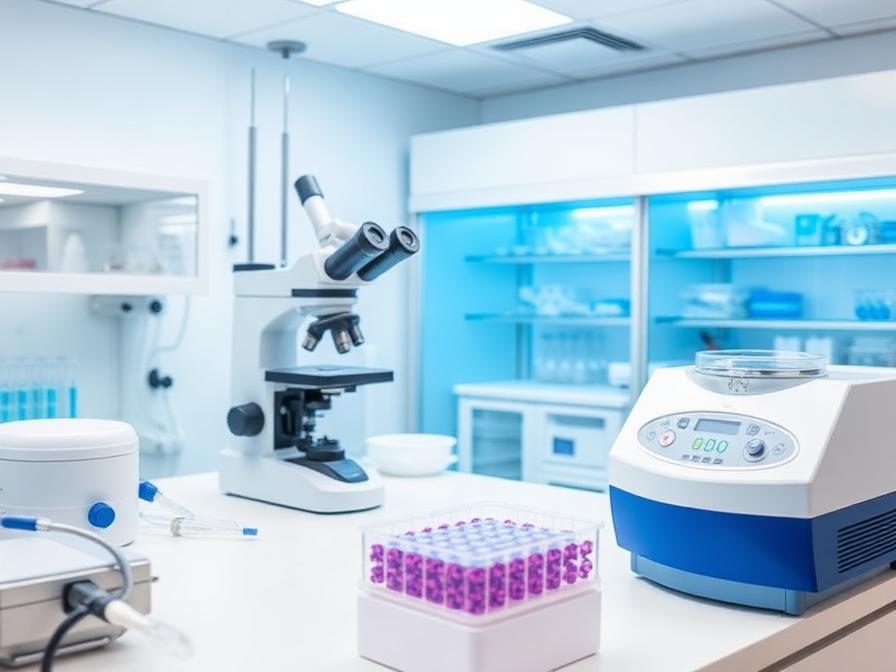
Autism Treatment Protocols at TurkeyStemcell
Our autism regenerative support program is individualized for each patient based on age, body weight, developmental profile, immune markers, GI status, and family treatment goals. We offer tiered protocols to address different clinical presentations and family preferences:
IV (Intravenous) MSC Therapy — Systemic Immune Support
Systemic intravenous administration of Wharton's Jelly MSCs provides whole-body immune modulation, anti-inflammatory support, and homing of stem cells to areas of active inflammation — including the gut, lymphoid tissue, and inflamed vascular endothelium. IV delivery addresses systemic immune dysregulation, intestinal inflammation, elevated peripheral cytokines, and inflammatory signaling that crosses the blood-brain barrier to impact CNS function.
Intrathecal MSC Delivery — Direct CNS Access
Direct injection of MSCs into the cerebrospinal fluid via lumbar puncture allows cells to bypass the blood-brain barrier and interact directly with the central nervous system — maximizing bioavailability of neurotrophic factors (BDNF, NGF, GDNF) within the brain and spinal cord. Intrathecal delivery is particularly important for autism treatment where neuroinflammation modulation and microglial reprogramming within the CNS are primary therapeutic goals. The procedure is performed under gentle sedation for pediatric patients with continuous monitoring.
Intranasal Exosome Delivery — Non-Invasive CNS Targeting
Non-invasive intranasal administration of concentrated exosome preparations provides direct CNS delivery via the olfactory bulb and trigeminal nerve pathways. This gentle, well-tolerated route is particularly well-suited for sensory-sensitive pediatric patients and delivers concentrated neurotrophic cargo directly to forebrain structures involved in social cognition, communication, and executive function.
Comprehensive Multi-Route Protocol
Our most comprehensive autism protocols combine all three delivery routes — IV systemic therapy for immune rebalancing, intrathecal delivery for direct CNS neurotrophic support, and intranasal exosomes for non-invasive forebrain targeting. This multi-route approach addresses both peripheral immune dysfunction and central neuroinflammation simultaneously, maximizing regenerative potential across multiple biological pathways.
Family-Centered Clinical Experience
We understand that seeking treatment for your child is both a hopeful and emotional journey. Our clinical team includes specialists experienced in working with ASD patients and their families. Treatment environments are designed to minimize sensory stress with dimmable lighting, quiet rooms, and familiar comfort items. Scheduling is flexible to accommodate each child's sensory needs, energy levels, and routine preferences. Parents remain with their child throughout every procedure.
Developmental Improvements Reported by Families
Based on published clinical studies and our clinical experience with autism stem cell therapy in Istanbul, families have reported improvements across multiple developmental and functional domains. While individual outcomes vary, the following patterns are consistently described:
Speech & Language
Expanded vocabulary, improved verbal expression and articulation, better conversational reciprocity, reduced echolalia, emergent spontaneous speech in previously minimally verbal children, and improved pragmatic language skills.
Social Awareness
Increased sustained eye contact, improved joint attention, greater interest in peers and siblings, enhanced emotional recognition and empathy, more reciprocal social play, and improved theory of mind.
Behavioral Regulation
Reduced frequency and intensity of meltdowns, improved ability to handle transitions, decreased stereotypic and repetitive behaviors, better emotional self-regulation, increased behavioral flexibility, and improved frustration tolerance.
Sensory Integration
Reduced sensory hypersensitivity, improved tolerance of previously aversive stimuli (sounds, textures, clothing), better environmental adaptation, more regulated sensory-seeking behavior, and improved proprioceptive awareness.
Focus & Cognition
Improved sustained attention span, better task initiation and completion, enhanced learning engagement, improved working memory, increased responsiveness to educational interventions, and better problem-solving abilities.
GI, Sleep & Overall Health
Improved bowel regularity and GI comfort, expanded food acceptance, better sleep onset and duration, reduced nighttime waking, improved energy and mood stability, and enhanced overall quality of life for the entire family.
Important: Outcomes vary significantly among individuals. Stem cell therapy is not a cure for autism. These reported improvements reflect clinical observations and family feedback across multiple treatment courses, not guaranteed results. The goal of our program is to support neurodevelopmental potential and improve quality of life as part of a comprehensive, multi-disciplinary approach to ASD care.
Safety Profile and Pediatric Considerations
The safety of our patients — particularly children — is our highest priority and the non-negotiable foundation of our autism clinic in Istanbul. Wharton's Jelly–derived mesenchymal stem cells have been extensively studied in pediatric populations worldwide:
- Immunologically privileged — WJ-MSCs express minimal HLA class II markers, do not require tissue matching, and carry virtually zero rejection risk
- Ethically sourced — cells are derived from donated umbilical cord tissue collected after healthy, full-term births with informed maternal consent — involving no embryonic tissue
- Weight-based pediatric dosing — protocols are precisely calibrated to each child's body weight, age, and clinical profile using established pediatric pharmacokinetic principles
- Sensory-adapted administration — child-friendly environments, experienced pediatric nursing staff, gentle sedation options, and flexible scheduling that respects each child's sensory needs
- Comprehensive monitoring — continuous vital sign monitoring during and after treatment, post-procedure observation period, and 24/7 medical availability throughout your family's Istanbul stay
- Extensive safety data — thousands of pediatric MSC applications documented globally with no reported cases of tumorigenesis, ectopic tissue formation, teratoma, or severe immunological adverse events
- Published clinical evidence — multiple peer-reviewed studies documenting MSC safety in pediatric ASD populations across randomized controlled and open-label designs
Who May Be Eligible for Autism Stem Cell Therapy in Turkey
Our autism regenerative support programs are designed for families seeking comprehensive, evidence-informed biological approaches to complement conventional developmental care:
- Children (age 2+) and adults diagnosed with autism spectrum disorder seeking regenerative support alongside ongoing ABA, speech, and occupational therapies
- Individuals with ASD who have plateaued or not achieved desired developmental progress through behavioral and educational interventions alone
- Patients with ASD and documented co-occurring conditions: immune dysregulation, chronic GI dysfunction, elevated inflammatory markers (CRP, cytokines), or mitochondrial abnormalities
- Families seeking to enhance their child's biological environment to potentially improve responsiveness to existing therapy programs
- International families looking for advanced autism treatment in Istanbul at a JCI-standard accredited facility with 40–60% cost advantage
- Families who have explored conventional pharmacological approaches (risperidone, aripiprazole) and seek non-pharmaceutical biological support
- Adult patients on the autism spectrum exploring regenerative options for immune modulation, neuroinflammation reduction, and quality of life improvement
Candidacy is determined through comprehensive medical record review, developmental history analysis, immune marker assessment, and detailed consultation with our regenerative medicine team. Request your free evaluation to explore whether stem cell therapy may complement your child's care plan.
Why International Families Choose Istanbul for Autism Stem Cell Therapy
Turkey has become a leading global destination for pediatric regenerative medicine, combining clinical excellence with significant affordability and world-class hospitality for traveling families:
JCI-Standard Accredited Facility
Treatment in internationally accredited medical centers with pediatric-appropriate infrastructure, advanced cell processing, comprehensive safety protocols, and quality management systems meeting European standards.
Pediatric Regenerative Expertise
Physicians with specific clinical expertise in mesenchymal stem cell therapy for neurodevelopmental conditions, supported by dedicated cell biologists, pediatric nursing specialists, and developmental assessment professionals.
40–60% Cost Advantage
Premium autism regenerative treatment at 40–60% lower cost than comparable programs in the US, Panama, Central America, or Western Europe — without compromising cell quality, medical standards, or family care experience.
Family-Friendly Global Hub
Istanbul sits at the crossroads of Europe and Asia with direct flights from 300+ cities. The city offers world-class family attractions, parks, cuisine, and a welcoming culture. Most families travel 3–6 hours to reach our clinic.
VIP Family Concierge
Comprehensive family coordination: private airport transfers, family-friendly hotel arrangements with kitchenettes, multilingual medical liaisons, child-appropriate dining guidance, and a dedicated patient coordinator from inquiry through 12-month follow-up.
Structured Developmental Follow-Up
Validated outcome tracking at 1, 3, 6, and 12 months using standardized developmental assessment tools (CARS-2, ABC, ATEC). Remote consultations, supplementary protocol guidance, and coordination with your child's home therapy team.

Your Family's Autism Treatment Journey in Istanbul
From initial inquiry to long-term developmental follow-up, our team manages every detail of your family's regenerative medicine experience with compassion and professionalism:
- Free Medical Record Review: Share your child's developmental assessments (ADOS-2, CARS-2, Vineland), medical history, current therapy schedule (ABA hours, speech/OT frequency), genetic/metabolic testing results, and any immune or GI workup. We accept secure digital uploads, email, or WhatsApp submissions.
- Personalized Protocol Design: Our medical team creates an individualized treatment plan specifying administration routes (IV, intrathecal, intranasal), WJ-MSC and exosome dosing strategy, number of treatment sessions, expected Istanbul stay, and transparent itemized cost breakdown — all confirmed before you book travel.
- VIP Family Arrival in Istanbul: Private airport transfer, family-friendly hotel coordination (with kitchenette access for dietary needs), and Day 1 pre-treatment evaluation including blood work (CBC, CRP, metabolic panel, thyroid, vitamin D, ferritin, zinc) and baseline developmental assessment at our accredited facility.
- Treatment Days (3–5 Days): Scheduled treatment sessions in sensory-adapted clinical environments with full medical supervision. Parents remain with their child throughout every procedure. Flexible scheduling accommodates sensory needs, nap schedules, and rest periods. Our team respects each child's unique comfort requirements.
- Structured Long-Term Follow-Up: Comprehensive post-treatment family guidance, home rehabilitation recommendations (activities, supplements, therapy coordination), and structured developmental tracking at 1, 3, 6, and 12 months using validated assessment tools. Remote medical consultation available for ongoing questions, supplementary protocol adjustments, and coordination with your child's home therapy team.
Learn more about the complete international patient journey at TurkeyStemcell →
Take the First Step for Your Child's Potential
Our compassionate medical team reviews your child's developmental history, immune markers, and treatment goals to create a personalized regenerative support plan. Every evaluation is free, confidential, and obligation-free.
Clinical Evidence for Stem Cell Therapy in Autism
The scientific evidence base for mesenchymal stem cell therapy for autism spectrum disorder has grown substantially, with multiple peer-reviewed studies documenting safety and encouraging developmental outcomes:
- A landmark 2020 randomized controlled trial demonstrated statistically significant improvements in CARS (Childhood Autism Rating Scale) scores and Aberrant Behavior Checklist measures following umbilical cord MSC infusion compared to placebo, with sustained improvements at 6-month follow-up
- A 2023 systematic review and meta-analysis of 14 clinical studies reported consistent improvements in social interaction, communication skills, behavioral regulation, and adaptive functioning across multiple MSC treatment protocols
- Intrathecal MSC delivery studies specifically showed improved language development and reduced neuroinflammatory markers (decreased CSF IL-6 and TNF-α) at 3-month follow-up
- Safety data across thousands of pediatric MSC applications worldwide confirm a favorable risk profile with no reported cases of tumorigenesis, ectopic tissue formation, or severe immunological adverse events
- Emerging exosome-enriched protocols have shown enhanced neurotrophic factor delivery and improved BDNF levels in treated patients
Our treatment protocols are informed by this evolving evidence base and updated regularly as new research emerges. Explore our Clinical Studies hub for detailed research summaries, and visit our Science & Research page to understand the biological foundations of our approach. For parent-specific guidance, see our dedicated Autism FAQ.
Frequently Asked Questions About Autism Stem Cell Therapy in Turkey
Medical Disclaimer
Stem cell therapy and exosome therapy for autism spectrum disorder are regenerative medicine approaches under ongoing clinical investigation. These treatments are not guaranteed cures for autism and individual outcomes vary significantly based on age, autism severity, co-occurring conditions, immune profile, mitochondrial status, and biological factors. TurkeyStemcell provides medically supervised regenerative neurodevelopmental support programs in internationally accredited facilities under specialist physician oversight. Treatment suitability is determined through comprehensive medical evaluation including developmental history and immune marker review. Ongoing care with your child's developmental pediatrician, neurologist, and therapy team (ABA, speech, OT) remains essential. For full details, please read our Medical Disclaimer and Privacy Policy.