Stem Cell Therapy in Turkey: Advanced MSC Treatment Protocols
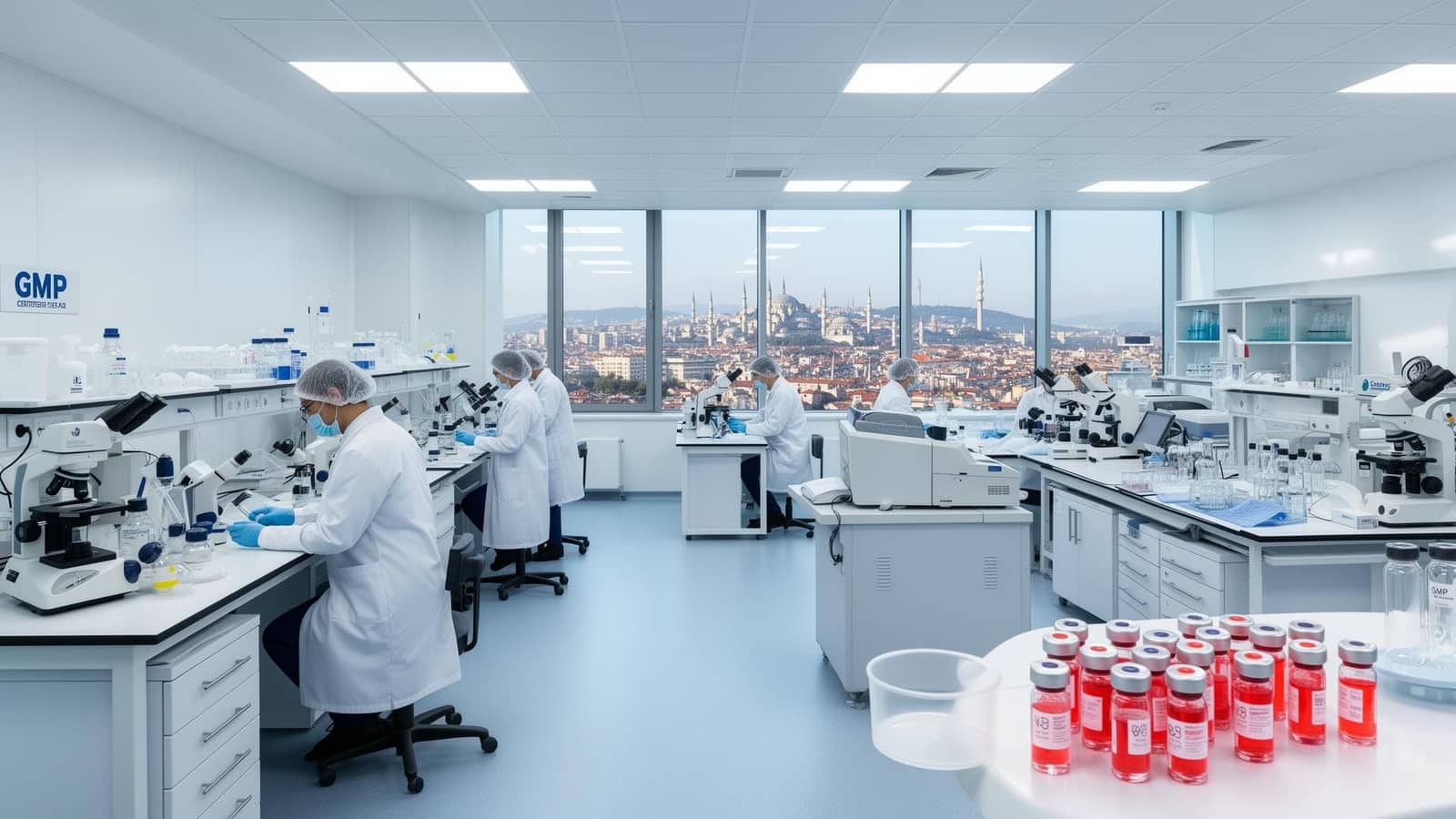
TurkeyStemcell offers internationally recognized mesenchymal stem cell (MSC) therapy using GMP-processed, umbilical cord-derived Wharton's Jelly cells. Our physician-led protocols serve patients from over 40 countries seeking evidence-based regenerative medicine for degenerative, autoimmune, neurological, and orthopedic conditions.
What Is Stem Cell Therapy?
Stem cell therapy is a branch of regenerative medicine that harnesses the body's natural repair mechanisms to address damaged tissues, chronic inflammation, and degenerative processes. Rather than masking symptoms with pharmaceutical interventions, regenerative approaches aim to support the underlying biology of tissue repair, immune regulation, and cellular renewal at the source.
At TurkeyStemcell, we specialize in allogeneic mesenchymal stem cell (MSC) therapy—using donor-derived cells from umbilical cord tissue (Wharton's Jelly) rather than the patient's own cells. This allogeneic approach allows us to provide young, potent, and thoroughly tested cell products without requiring invasive harvesting procedures such as bone marrow aspiration or liposuction from the patient.
Mesenchymal stem cells exert their primary therapeutic benefits through paracrine signaling—releasing growth factors, cytokines, and extracellular vesicles (including exosomes) that modulate inflammation, promote angiogenesis (new blood vessel formation), reduce fibrosis, and stimulate endogenous tissue repair. This broad mechanism-of-action makes MSC therapy applicable across a wide range of conditions, from osteoarthritis and joint degeneration to neurological disorders to age-related functional decline.
What Are Mesenchymal Stem Cells (MSCs)?
Mesenchymal stem cells are multipotent stromal cells originally identified in bone marrow by Friedenstein in the 1960s and now recognized in virtually every vascularized tissue. The International Society for Cellular Therapy (ISCT) defines MSCs by three criteria: plastic adherence, specific surface marker expression (CD73+, CD90+, CD105+, CD34−, CD45−), and tri-lineage differentiation capacity. Their key biological properties include:
- Multi-lineage differentiation: Capacity to become osteoblasts (bone), chondrocytes (cartilage), myocytes (muscle), adipocytes (fat), and—under specific conditions—neuron-like cells
- Secretome-driven repair: Release of over 200 bioactive molecules including hepatocyte growth factor (HGF), vascular endothelial growth factor (VEGF), transforming growth factor-beta (TGF-β), interleukin-10 (IL-10), tumor necrosis factor-stimulated gene 6 (TSG-6), and prostaglandin E2 (PGE2)
- Immune modulation: Direct interaction with T-cells (suppressing Th1/Th17 while promoting Treg), B-cells, NK cells, dendritic cells, and macrophages (promoting M1-to-M2 polarization shift)
- Mitochondrial transfer: Donation of functional mitochondria to damaged cells through tunneling nanotubes (TNTs) and extracellular vesicles, restoring cellular bioenergetics
- Exosome release: Secretion of nano-sized extracellular vesicles (30–150 nm) containing mRNA, microRNA (miR-21, miR-146a, miR-124), and proteins that reprogram surrounding cells toward regeneration
These properties make MSCs one of the most extensively studied cell types in regenerative medicine, with over 1,500 registered clinical trials worldwide. Learn more on our stem cell science and research page.
Why Umbilical Cord-Derived MSCs from Wharton's Jelly?
We select Wharton's Jelly—the mucoid connective tissue matrix within the human umbilical cord—as our primary cell source because it yields MSCs with characteristics that are substantially superior to adult-derived alternatives from bone marrow or adipose tissue:
- Neonatal potency: High proliferative capacity (population doubling time ~24 hours vs. ~40 hours for bone marrow MSCs) and robust tri-lineage differentiation potential
- Immunological privilege: Low MHC class I expression, virtually no MHC class II or co-stimulatory molecules (CD80, CD86)—safe for allogeneic use without HLA matching or immunosuppression
- Longer telomere length: Neonatal cells maintain longer telomeres, indicating higher replicative potential and cellular youth compared to aged adult-derived MSCs
- Ethical collection: Non-invasive harvesting after healthy, full-term deliveries with full informed consent—no embryos are involved
- Superior anti-inflammatory secretome: Enhanced secretion of IL-10, TSG-6, PGE2, and indoleamine 2,3-dioxygenase (IDO) compared to bone marrow-derived MSCs
- Consistent supply: Each umbilical cord yields millions of standardized, quality-controlled MSCs suitable for banking and expansion
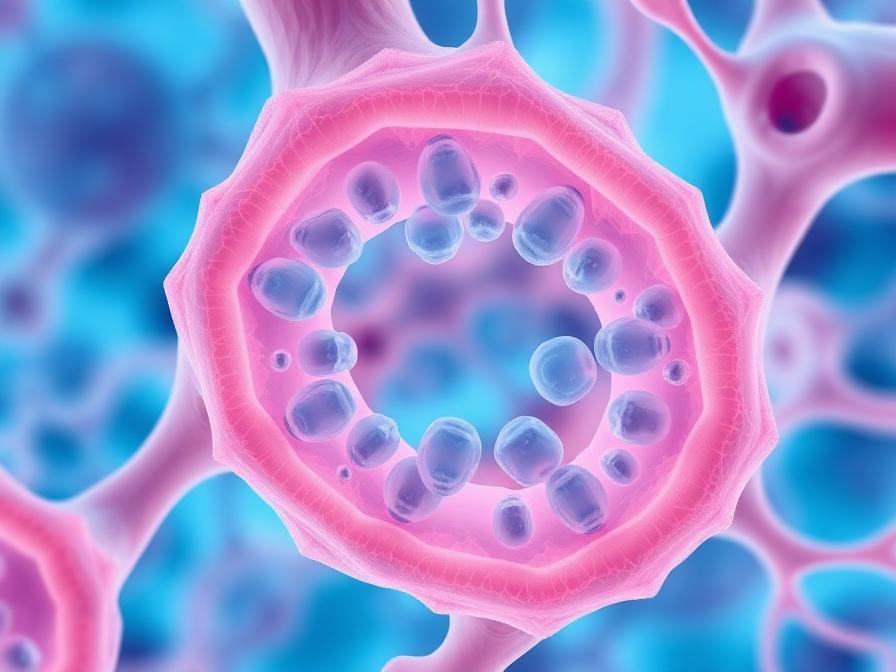
Research published in Stem Cells Translational Medicine, Cytotherapy, and the Journal of Cellular and Molecular Medicine consistently demonstrates that Wharton's Jelly MSCs exhibit stronger immunomodulatory effects, higher expansion capacity, and more potent anti-fibrotic activity compared to MSCs from adult tissue sources. Explore our Wharton's Jelly clinical protocol data.
How Stem Cell Therapy Works — In Plain English
Most patients researching stem cell therapy in Turkey don't need lab jargon — they need to know how the treatment will actually help them. Here's what mesenchymal stem cells (MSCs) do inside your body, written for real patients comparing clinics in Istanbul, weighing cost, and looking for real results.
1. They Release Natural "Healing Signals"
Once infused, stem cells release hundreds of natural healing proteins that tell your body to rebuild cartilage, calm swelling, grow new blood vessels, and protect nerves. This is why patients with arthritis, knee pain, back pain, and sports injuries often report less pain and better movement after treatment.
2. They Calm an Overactive Immune System
If you have an autoimmune disease like multiple sclerosis (MS), rheumatoid arthritis, lupus, or Crohn's disease, your immune system is attacking healthy tissue. Stem cells help "reset" that response — calming the attack so your body can repair instead of fighting itself.
3. They Recharge Tired, Damaged Cells
Stem cells can hand off fresh cellular "batteries" (mitochondria) to weak or aging cells — restoring energy and slowing damage. That's why this therapy is being studied for ALS, Alzheimer's, Parkinson's, autism support, and anti-aging.
4. They Travel to Where Your Body Needs Repair
After an IV infusion, stem cells naturally "home in" on areas of injury and inflammation and stay active there for weeks. For brain and spinal conditions, our specialists may use an intrathecal (lower-back) delivery to send cells directly into the central nervous system.
Want the peer-reviewed biology? See the technical breakdown — paracrine signaling, MSC secretome (VEGF, HGF, BDNF, IL-10, TSG-6), Treg induction, mitochondrial transfer via tunneling nanotubes, and SDF-1/CXCR4 homing — on our stem cell science page.
How Stem Cell Therapy May Support the Body
The therapeutic potential of mesenchymal stem cells extends across multiple biological systems. Current peer-reviewed research and clinical observations suggest MSC therapy may support the following regenerative domains:
Conditions Commonly Evaluated for Stem Cell Therapy in Turkey
Our treatment protocols at TurkeyStemcell are designed to address a broad spectrum of degenerative, inflammatory, neurological, and functional conditions. While regenerative medicine is an evolving field, substantial clinical evidence supports MSC-based interventions for the following categories. Each condition links to a dedicated information page with detailed mechanisms, protocols, and clinical data:
Orthopedic & Musculoskeletal
Neurological & Neurodegenerative
Autoimmune & Inflammatory
Don't see your condition listed? Request a free medical evaluation and our physician team will review your case individually. We also offer exosome therapy as a standalone or complementary regenerative treatment.
Not sure if you're a candidate?
Submit your medical records for a free, no-obligation review by our regenerative medicine specialists.
Our Stem Cell Treatment Process in Istanbul
Every patient at TurkeyStemcell receives a personalized treatment protocol designed by our board-certified physician team based on thorough medical evaluation. Here is what a typical mesenchymal stem cell therapy program involves:
- Remote Medical ReviewOur physicians review your medical records, imaging (MRI, CT), laboratory results, and medication history remotely to assess candidacy and design a preliminary treatment protocol before your arrival in Istanbul.
- Arrival & Comprehensive On-Site AssessmentUpon arrival in Istanbul, you undergo comprehensive blood work, physical examination, and any additional diagnostics (ultrasound, nerve conduction, etc.) to finalize your personalized treatment plan.
- Cell Preparation in GMP-Aligned LaboratoryYour stem cell product is prepared in our clean-room laboratory. Each batch undergoes viability testing (≥95%), sterility testing, endotoxin testing, and mycoplasma testing before release for administration.
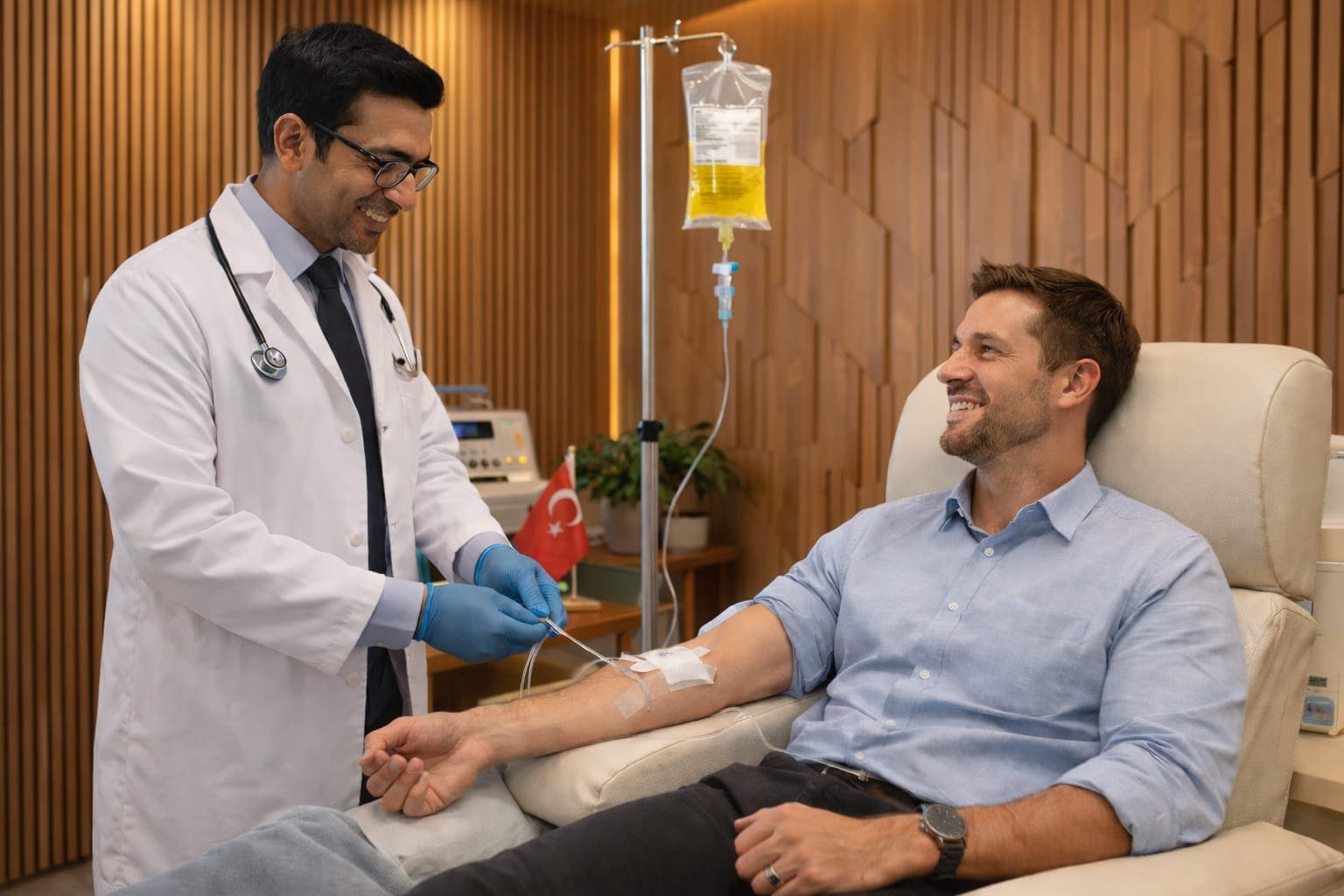
- Physician-Supervised Treatment AdministrationDepending on your condition, MSCs are administered via IV infusion, intrathecal injection, intra-articular injection, or localized delivery. Many protocols combine multiple routes for comprehensive coverage.
- Post-Treatment Monitoring & AftercareYou are monitored at our facility for 24–48 hours. Our medical team provides detailed aftercare instructions, supplementary support recommendations, and activity guidelines for your recovery period.
- Structured Long-Term Follow-UpRemote follow-up consultations at 1, 3, 6, and 12 months post-treatment via video call to track progress, review updated labs or imaging, optimize outcomes, and assess whether additional sessions may be beneficial.
Learn more about the complete international patient journey including travel logistics, accommodation options, visa assistance, and what to expect during your stay in Istanbul.
Administration Methods: How Stem Cells Are Delivered
The route of stem cell administration is tailored to each patient's condition, target tissues, and treatment goals. Our physicians in Istanbul select from four primary delivery methods—and often combine multiple routes within a single protocol:
Intravenous (IV) Infusion
Systemic delivery for whole-body regenerative support, immune modulation, and organ-level repair. Most common for autoimmune, anti-aging, and multi-system conditions. Cells distribute via circulation and home to sites of inflammation through SDF-1/CXCR4 signaling.
Intrathecal Injection
Direct delivery into the cerebrospinal fluid, bypassing the blood-brain barrier for neurological conditions including ALS, MS, Parkinson's disease, cerebral palsy, traumatic brain injury, and autism spectrum disorder.
Intra-Articular Injection
Ultrasound-guided injection into affected joints for osteoarthritis, cartilage degeneration, meniscal injuries, and degenerative joint disease. Delivers MSCs directly to the site of cartilage loss and synovial inflammation.
Localized & Targeted Injection
Precision delivery to specific tissues including spinal discs (for degenerative disc disease), penile tissue (for erectile dysfunction), and scalp dermis (for androgenetic alopecia and hair restoration).
Clinical Evidence for Mesenchymal Stem Cell Therapy
The evidence base for MSC therapy continues to grow across multiple therapeutic areas. Key findings from peer-reviewed research include:
A 2023 systematic review and meta-analysis published in Stem Cell Research & Therapy (12 RCTs, 659 patients) found that intra-articular MSC injection significantly improved WOMAC pain scores, physical function, and cartilage thickness on MRI at 12-month follow-up.
A 2022 phase II trial published in JAMA Neurology demonstrated that intrathecal MSC administration was associated with reduced relapse rates, stabilized EDSS scores, and decreased gadolinium-enhancing lesions at 12 months in relapsing-remitting MS patients.
A multicenter study published in Cell Transplantation showed improvements in ASIA motor scores and sensory function in chronic SCI patients receiving intrathecal MSC therapy, with sustained benefits at 18-month follow-up.
A prospective study published in EBioMedicine demonstrated reduced VAS pain scores by 71% and improved Oswestry Disability Index at 12 months following intradiscal MSC injection for lumbar disc degeneration.
Explore our full clinical studies and outcome data library for detailed research summaries across all conditions we evaluate.
Safety, Screening, and Quality Assurance
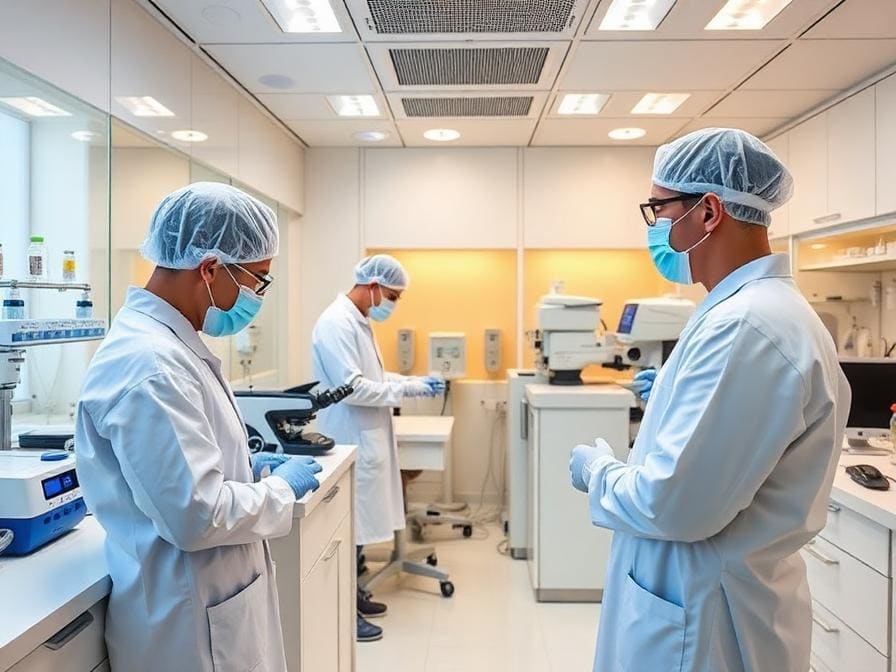
Patient safety is the non-negotiable foundation of our regenerative medicine practice. Our multi-layered quality assurance framework includes:
- GMP-aligned clean-room laboratory with ISO-classified environmental controls for all cell processing and expansion
- Comprehensive donor screening: infectious disease panels (HIV, HBV, HCV, CMV, syphilis, HTLV), genetic evaluation, and full medical and social history
- Cell viability consistently above 95% at time of administration, verified by automated cell counting
- Sterility testing per USP <71>, endotoxin testing per USP <85>, and mycoplasma testing on every batch
- Board-certified physicians supervising all treatment procedures
- Full medical emergency preparedness with resuscitation equipment at our clinical facility
- Validated cold-chain management and cryopreservation protocols maintaining cell integrity
Explore our laboratory processes and quality control methodology and review our published clinical studies and patient outcome data.
What Patients May Expect After Stem Cell Treatment
Treatment outcomes vary based on the condition being treated, its severity and duration, the patient's overall health, age, and individual biological response to MSC therapy. Based on our clinical experience and the published literature:
- Orthopedic patients (arthritis, joint injuries) commonly report reduced pain, improved joint mobility, and enhanced quality of life within 4–12 weeks as MSCs support cartilage repair and reduce synovial inflammation
- Neurological patients (ALS, Alzheimer's, MS, Parkinson's) may experience gradual improvements in motor function, cognition, speech, and daily living activities over 3–6 months as neurotrophic factors support neuroregeneration
- Autoimmune patients (lupus, Crohn's, RA) may notice reduced flare frequency, lower inflammatory markers (CRP, ESR), and improved energy levels as MSCs restore immune balance
- Anti-aging patients (longevity programs) frequently report improved energy, skin quality, sleep, cognitive clarity, and overall vitality as systemic inflammation decreases and cellular repair processes are activated
- Autism support patients (autism spectrum disorder) families may observe gradual improvements in communication, social engagement, sensory regulation, and behavioral flexibility over 3–6 months
Stem cell therapy is not a guaranteed cure for any condition. We provide transparent, evidence-based expectations during your consultation and work closely with you to set realistic, individualized treatment goals. Read our comprehensive frequently asked questions for more information.
Stem Cell Therapy Cost in Turkey
Mesenchymal stem cell treatment at TurkeyStemcell is typically 40–60% more affordable than comparable regenerative medicine programs in the United States, United Kingdom, or Western Europe—without compromising cell quality, physician expertise, laboratory standards, or clinical outcomes. Treatment costs depend on:
- Type and complexity of your condition and its stage
- Number of treatment sessions recommended in your personalized protocol
- Cell dosage (number of MSCs per administration) and administration method(s)
- Complementary therapies included (e.g., exosome therapy, physiotherapy, hyperbaric oxygen)
We provide detailed, transparent, itemized pricing during your free consultation with no hidden fees and no pressure. Treatment packages include all medical procedures, laboratory costs, physician consultations, medications, and structured post-treatment follow-up. Travel, accommodation, and VIP transfer assistance are available as concierge add-ons.
Get Your Personalized Treatment Plan & Pricing
Our medical team will review your case and provide a detailed, no-obligation cost estimate tailored to your condition.
Request Free ConsultationWhy International Patients Choose Istanbul for Stem Cell Therapy
Turkey has emerged as a global leader in medical tourism and regenerative medicine, with Istanbul serving as the country's primary hub for advanced stem cell treatment. TurkeyStemcell combines clinical excellence with a patient-first approach designed specifically for international families:
- World-class medical infrastructure: JCI-accredited hospitals, modern clinical facilities, and advanced GMP-aligned laboratory technology rivaling leading centers in the US and Europe
- Experienced specialists: Board-certified physicians with focused training in regenerative medicine, MSC biology, and international patient management
- Competitive costs: Treatment pricing 40–60% lower than comparable US, UK, and Western European clinics with equivalent or superior quality and outcomes
- Comprehensive international patient support: Multilingual medical coordinators, airport VIP transfers, hotel assistance, translation services, and dedicated case managers
- Strategic global location: Istanbul is directly accessible via 3–5 hour flights from major cities across Europe, the Middle East, North Africa, Central Asia, and the Indian subcontinent
- Structured follow-up program: Long-term remote monitoring at 1, 3, 6, and 12 months post-treatment regardless of your home country

Learn more about our clinic, our physician team, and our mission in regenerative medicine.
Ready to Explore Stem Cell Therapy in Turkey?
Submit your medical records for a free, no-obligation evaluation by our regenerative medicine specialists. We serve patients from over 40 countries with personalized MSC protocols.
Frequently Asked Questions About Stem Cell Therapy in Turkey
Find answers to the most common questions international patients ask about mesenchymal stem cell therapy, Wharton's Jelly MSCs, treatment protocols, costs, and what to expect at our clinic in Istanbul, Turkey.
Explore Condition Pages
- Exosome Therapy in Turkey
- Anti-Aging Stem Cell Programs
- Orthopedic Stem Cell Treatment
- Neurological Stem Cell Therapy
- ALS Stem Cell Support Programs
- Alzheimer's Disease Protocols
- Arthritis & Joint Regeneration
- Autism Stem Cell Support
- Autoimmune Disorder Therapy
- Sexual Wellness Regeneration
- Hair Restoration Therapy
Regulatory, Manufacturing & Quality Standards
Regenerative medicine is only as safe as the lab, the licensing, and the documentation behind it. Here is the regulatory and quality stack every TurkeyStemcell patient is treated under.
Turkish MoH Licensed
Clinic and procedure protocols authorized under the Republic of Türkiye Ministry of Health regulatory framework for advanced cellular therapies.
GMP-Compliant Cell Processing
Wharton's Jelly–derived MSCs prepared in a Good Manufacturing Practice (GMP) facility with documented release criteria and chain-of-custody.
ISO 9001 Quality System
Quality management certified to ISO 9001 — every patient pathway, from intake to follow-up, follows a documented and audited process.
Characterized Cell Product
Each batch is tested for viability, identity (CD73/CD90/CD105+, CD34/CD45−), sterility, endotoxin, and mycoplasma before release.
Ethical Sourcing & Consent
Tissue is sourced from full-term, consented C-section donations following Turkish bioethics and international Declaration of Helsinki standards.
International Patient Standards
Multilingual coordination, KVKK/GDPR-aligned data handling, and post-treatment follow-up at 1, 3, 6 and 12 months for every international patient.
Documentation, batch release certificates, and licensing references are available on request during your consultation.
Ready to Explore Stem Cell Therapy in Turkey?
Schedule a free, no-obligation consultation with our regenerative medicine specialists. We treat patients from over 40 countries with personalized mesenchymal stem cell protocols at our GMP-aligned clinic in Istanbul.
Or call directly: +90 534 856 92 92