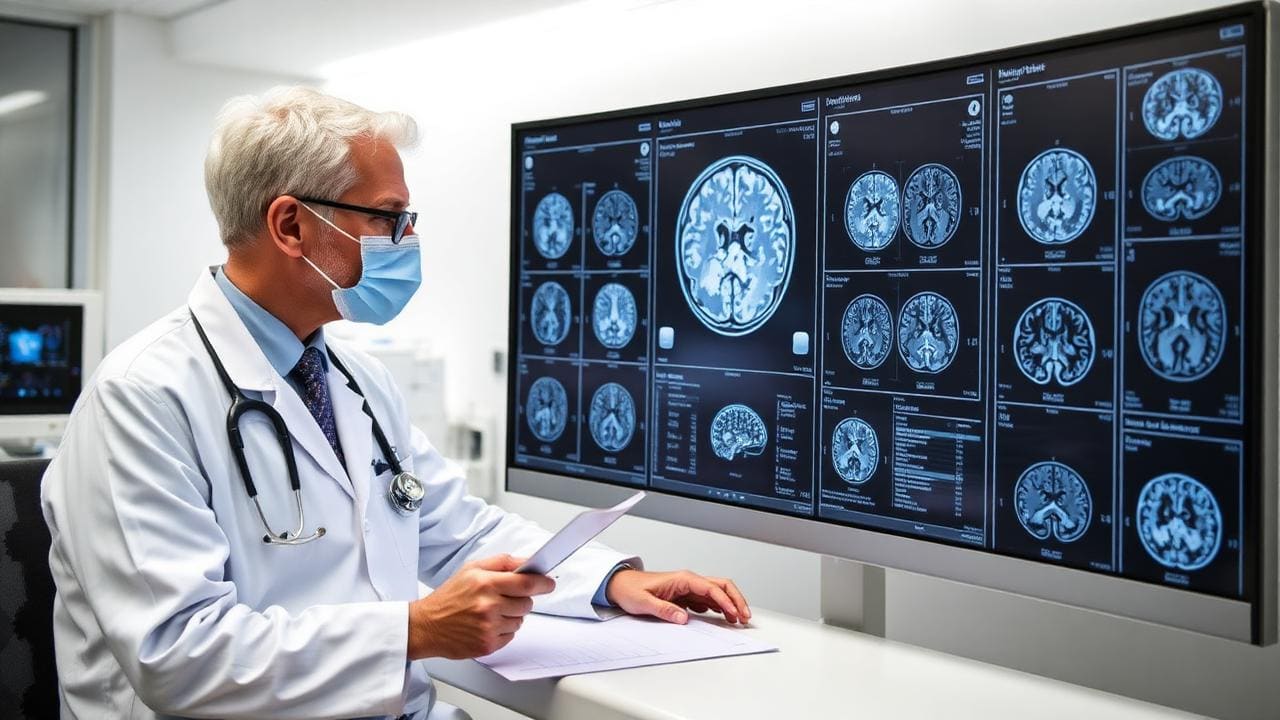
Understanding Traumatic Brain Injury
Traumatic brain injury (TBI) results from an external mechanical force that disrupts normal brain function. It may range from concussion and post-concussion syndrome to more severe injury with structural brain damage, diffuse axonal injury, long-term neurological deficits, and functional impairment.
One of the most important features of TBI is that the injury does not end at the moment of impact. After the primary trauma, a secondary injury cascade may continue through neuroinflammation, blood-brain barrier disruption, edema, oxidative stress, excitotoxicity, and long-lasting inflammatory signaling.
Conventional treatment often includes emergency stabilization, neurosurgery when needed, rehabilitation, symptom management, and neurological follow-up. Many patients explore mesenchymal stem cell therapy and exosome therapy because they want to know whether the injured brain environment can be supported more directly.
Why Recovery After TBI Can Be Prolonged
TBI recovery is often difficult not only because of structural injury, but because of the biological environment that follows the trauma:
Primary Trauma Plus Secondary Injury
TBI is not only the initial mechanical insult. A secondary cascade of inflammation, BBB disruption, oxidative stress, edema, and excitotoxicity may continue to drive damage afterward.
Diffuse Axonal Injury and Network Disruption
Some patients have injury that affects white matter tracts and functional brain networks even when the visible imaging findings appear limited.
Persistent Neuroinflammation
Ongoing inflammatory signaling may contribute to long-lasting headaches, cognitive dysfunction, fatigue, and post-concussion symptoms.
Recovery Plateaus
Even after rehab and acute care are complete, many patients feel that progress stops long before they regain the level of function they hoped for.
Common Symptoms and Daily Burden
Patients seeking traumatic brain injury stem cell therapy in Turkey often report a mix of cognitive, emotional, neurological, and functional challenges:
Cognition and Brain Fog
Many TBI patients struggle with concentration, memory, processing speed, attention, mental fatigue, and executive-function problems long after the original injury.
Headaches, Dizziness, and Sensory Symptoms
Persistent headaches, dizziness, visual strain, sound sensitivity, and motion intolerance are common and can disrupt daily life significantly.
Mood and Emotional Regulation
TBI may affect irritability, anxiety, frustration tolerance, impulse control, sleep quality, and emotional stability in ways that are deeply disruptive.
Fatigue and Functional Limitation
Patients often report a major drop in mental stamina, physical endurance, work capacity, and overall ability to function normally.
How Stem Cells May Support TBI Recovery
Wharton's Jelly mesenchymal stem cells (WJ-MSCs) are studied for TBI because they may influence several recovery-relevant pathways at once. The goal is not to promise reversal of all damage, but to explore whether the neurological environment can become more supportive of recovery, function, and rehabilitation responsiveness.
- Anti-inflammatory modulation aimed at reducing chronic neuroinflammation and microglial activation
- Neurotrophic factor secretion such as BDNF, NGF, and GDNF that may support neuronal survival and synaptic function
- Support for blood-brain barrier repair and a healthier vascular-neurological environment
- Reduction of cerebral edema-related inflammatory stress through tissue-supportive signaling
- Microglial polarization away from more destructive inflammatory patterns
- Antioxidant signaling relevant to oxidative neuronal stress after brain injury
- Potential support for hippocampal neurogenesis-related pathways and broader cognitive recovery signaling
- A more recovery-supportive environment for rehabilitation-driven neuroplasticity
Neuroinflammation Reduction
One of the main reasons patients explore stem cell therapy for TBI is the possibility of reducing the chronic inflammatory signaling that may persist long after the initial impact.
Neurotrophic and Cognitive Recovery Support
MSCs are studied because they may release tissue-supportive and neurotrophic signals relevant to neuronal survival, synaptic function, and recovery-oriented plasticity in injured brain networks.
Rehabilitation Synergy
Many patients are not trying to replace rehab, cognitive therapy, or neurological follow-up. They are looking for a biological strategy that may help the brain respond more favorably to recovery work already in progress.
Exosome Therapy for Brain Injury
Exosome therapy is often discussed as an adjunctive neuroregenerative strategy because exosomes may carry anti-inflammatory microRNAs, neurotrophic factors, and anti-apoptotic signaling molecules that interact with the injured brain environment.
In TBI, exosomes are of particular interest because they may help support inflammation reduction, vascular stability, neuronal survival, and post-injury signaling related to cognitive recovery and neuroplasticity.
Recovering from a Brain Injury?
Submit your brain MRI or CT, neurological reports, injury history, and cognitive symptom summary for a free evaluation.
Why Patients Explore Regenerative TBI Therapy
Patients usually inquire because they are trying to improve more than one thing at once: cognition, fatigue, headaches, mood, neurological stability, and a more recovery-supportive brain environment.
Neuroinflammation Reduction Goals
Patients often explore regenerative therapy because ongoing neuroinflammation is believed to contribute to persistent symptoms after brain injury.
Cognitive Recovery Support
A major motivation is the hope of improving mental clarity, attention, memory, and neurological function beyond what standard recovery has already achieved.
Post-Concussion Symptom Burden
Patients with persistent post-concussion syndrome often seek treatment because headaches, fatigue, mood issues, and cognitive problems continue for months or years.
Rehabilitation Synergy
Many patients are looking for a biological strategy that may help the brain respond better to cognitive rehab, therapy, and recovery work already underway.
Who May Be Eligible for Traumatic Brain Injury Stem Cell Therapy in Turkey
Eligibility depends on injury severity, medical stability, time since injury, symptom profile, and neurological history:
- Patients with subacute or chronic traumatic brain injury seeking investigational neuroregenerative support
- Patients with persistent cognitive symptoms, headaches, fatigue, emotional changes, or post-concussion syndrome
- Patients able to provide imaging, neurological reports, medication history, and a clear symptom summary
- Patients whose seizure history, brain swelling risk, and overall medical condition are sufficiently stable for treatment planning
- Patients who understand that treatment is investigational and should complement neurological care and rehabilitation rather than replace them
Your TBI Treatment Journey in Istanbul
- 1
Neurological Record Review
Submit MRI or CT imaging, neurological notes, cognitive complaints, concussion history, and rehabilitation status for candidacy evaluation.
- 2
Personalized TBI Protocol
If appropriate, a treatment plan is prepared based on symptom burden, imaging, route selection, and realistic functional goals.
- 3
Treatment in Istanbul
Protocols may include intrathecal MSC therapy, IV infusion, and selected adjunctive exosome support depending on the case.
- 4
Recovery Tracking and Follow-Up
Follow-up may include symptom tracking, cognitive assessments, headache and fatigue review, and broader quality-of-life evaluation.
Why International Patients Choose Istanbul
Patients looking for TBI treatment in Turkey often want neurology-focused review, regenerative medicine access, easier travel logistics, and a more favorable private-treatment cost structure.
Neurology and Neurorehab Review
TBI cases require review of imaging, symptom history, GCS or cognitive assessments, seizure history, medication burden, and recovery stage.
Advanced Regenerative Focus
Our protocols are designed for patients seeking stem cell and exosome-based neuroregenerative support for traumatic brain injury and post-concussion symptoms.
International Patient Access
Istanbul offers strong private medical infrastructure and convenient travel access for international neurology patients and accompanying family members.
Cost Advantage
Turkey often offers a substantial cost advantage compared with many private regenerative medicine programs in the US and UK.
Frequently Asked Questions About TBI Stem Cell Therapy
Medical Disclaimer
Stem cell therapy for traumatic brain injury is investigational. Results vary based on injury severity, location, and time since injury. Treatment should be pursued under medical supervision with realistic expectations and alongside appropriate neurological care and rehabilitation.