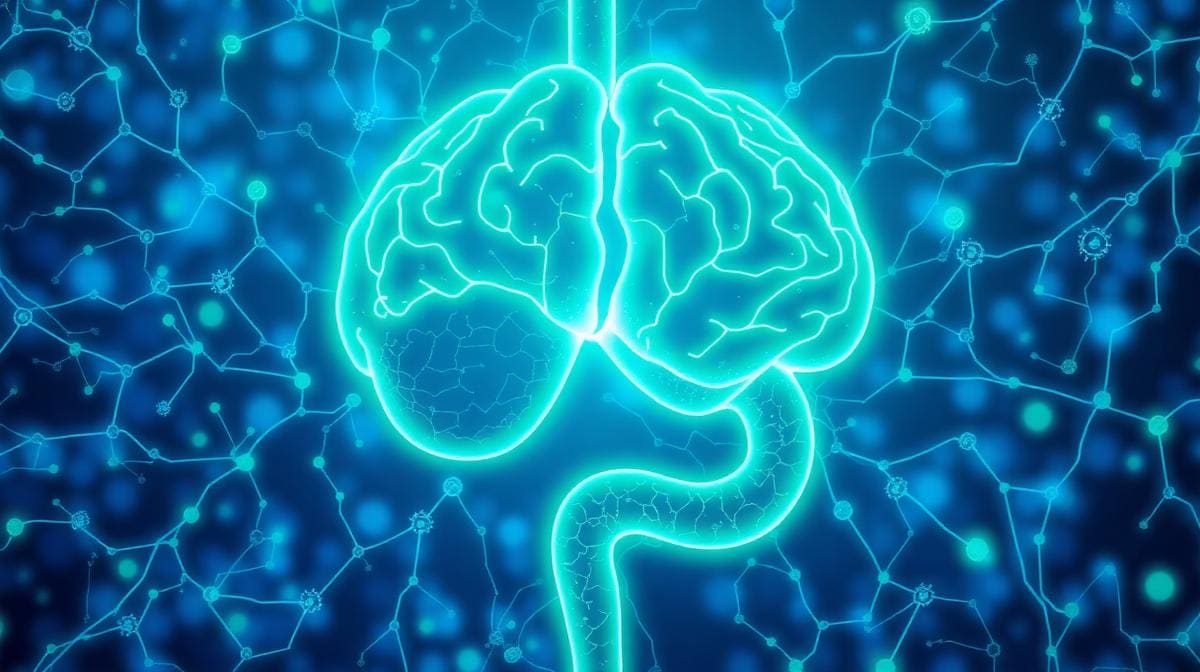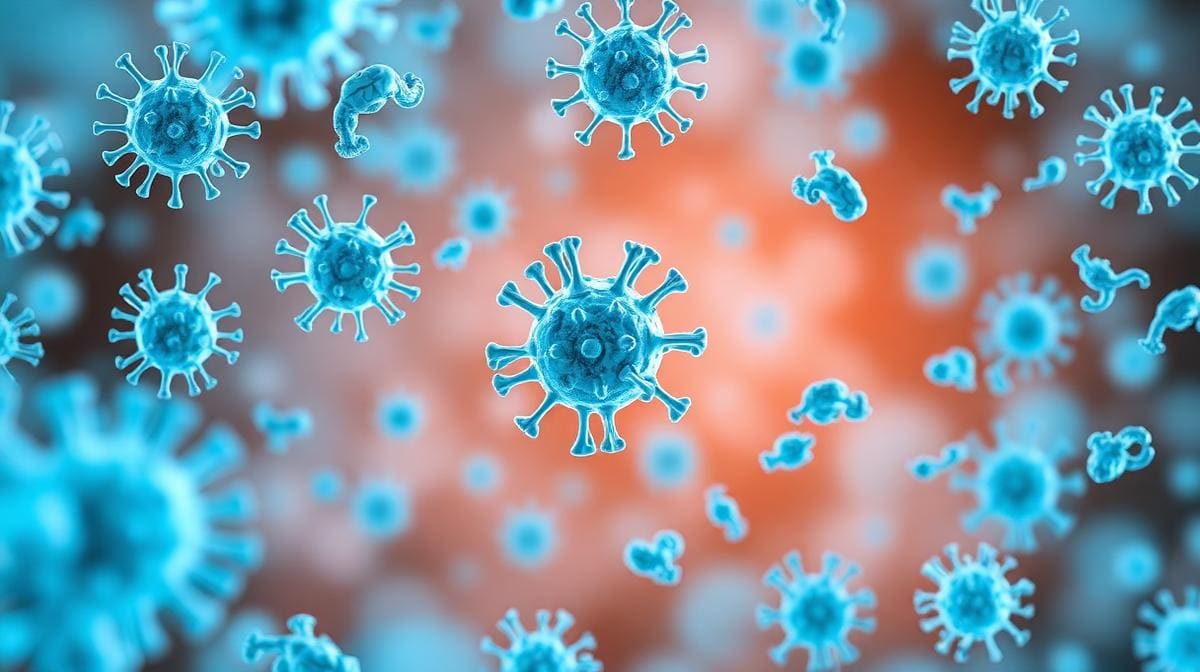
A comprehensive medical guide to immune dysregulation in autism spectrum disorder — covering Th1/Th2 imbalance, Th17 elevation, T-regulatory cell deficiency, NK cell overactivity, cytokine profiling, mesenchymal stem cell immunomodulation, and how immune-informed treatment planning works at TurkeyStemcell in Istanbul.
What is immune dysregulation in autism?
Immune dysregulation in autism refers to measurable abnormalities in the immune system — including Th1/Th2 imbalance (often skewed toward pro-inflammatory Th1 dominance), elevated Th17 cells, reduced T-regulatory cell function, increased natural killer cell activity, and altered cytokine profiles — that create chronic low-grade inflammation and impaired immune coordination. These immune abnormalities are documented in peer-reviewed research and inform the clinical rationale for mesenchymal stem cell (MSC) therapy, which modulates immune function by promoting T-regulatory cell development, shifting macrophage polarization, and reducing pro-inflammatory cytokine signaling.
Immune regulation is one of the most clinically significant biological topics in autism consultations — and one of the least understood by families navigating treatment options. Many parents observe that their child has a history of frequent immune reactivity, food sensitivities, chronic digestive symptoms, recurrent infections, or general physiological instability, but they struggle to connect these observations to a coherent clinical framework.
This article provides a medically structured explanation of immune dysregulation in autism spectrum disorder (ASD), the specific immune abnormalities documented in peer-reviewed research, how mesenchymal stem cell (MSC) therapy modulates immune function, and why immune-informed treatment planning is central to the clinical approach at TurkeyStemcell in Istanbul.
Understanding immune regulation in the context of autism is not about claiming that autism is an immune disease. Autism is a complex, heterogeneous neurodevelopmental condition with multiple contributing factors — genetic, epigenetic, environmental, and biological. But for a meaningful subset of children on the spectrum, immune dysregulation is a measurable, documentable biological reality that affects quality of life and may be amenable to therapeutic support.
Immune Abnormalities Documented in Autism Research
| Immune Parameter | Typical Finding in ASD | Clinical Significance |
|---|---|---|
| Th1/Th2 Balance | Skewed toward Th1 pro-inflammatory dominance | Chronic inflammatory tone affecting CNS and periphery |
| Th17 Cells | Elevated in many ASD cohorts | Associated with autoimmune-like inflammatory processes |
| T-Regulatory Cells (Tregs) | Reduced number and/or function | Impaired ability to suppress excessive immune responses |
| Natural Killer (NK) Cells | Increased activity and cytotoxicity | May contribute to neuroinflammatory burden |
| IL-6 (Interleukin-6) | Elevated in serum and CSF | Pro-inflammatory cytokine linked to behavioral severity |
| IL-1β | Elevated in multiple studies | Drives neuroinflammation and microglial activation |
| TNF-α | Elevated systemically | Key pro-inflammatory mediator in immune cascades |
| IL-10 | Often reduced or dysfunctional | Anti-inflammatory cytokine needed for immune resolution |
Why Immune Regulation Matters in Autism
The immune system does far more than fight infections. It regulates inflammation throughout the body, modulates signaling between the gut and the brain, influences neurodevelopmental processes, and maintains the delicate balance between immune activation and immune resolution. When that balance is disrupted — when the immune system becomes chronically overactive in some pathways while underperforming in others — the result is systemic dysregulation that can affect virtually every organ system.
In autism, this immune dysregulation has been documented across dozens of peer-reviewed studies. Children with ASD frequently show elevated pro-inflammatory cytokines (IL-6, IL-1β, TNF-α), reduced anti-inflammatory cytokines (IL-10), altered T-cell subset ratios, increased natural killer cell activity, and impaired regulatory T-cell function. These are not theoretical findings — they are measurable laboratory values that can be assessed through blood work and immune panels.
For parents, the practical implications are often visible before any lab work: a child who reacts to many foods, gets sick frequently, has chronic digestive issues, shows skin sensitivity or eczema, sleeps poorly, or seems to be in a persistent state of physiological stress. These patterns may reflect the downstream effects of immune dysregulation on daily comfort and functioning.
Th1/Th2 Imbalance: The Core Immune Skew
One of the most consistently documented immune findings in autism research is an imbalance between Th1 and Th2 helper T-cell responses. In healthy immune function, Th1 cells drive cellular immunity (fighting intracellular pathogens) while Th2 cells drive humoral immunity (antibody production and allergic responses). These two arms of the adaptive immune system normally exist in dynamic equilibrium.
In many children with ASD, this balance is skewed toward Th1 pro-inflammatory dominance. This means the immune system is chronically tilted toward inflammatory activation — producing excess pro-inflammatory cytokines, maintaining elevated inflammatory tone, and potentially driving neuroinflammatory processes that affect brain function and development.
This Th1 skew is not unique to autism — it is also observed in autoimmune conditions, chronic inflammatory diseases, and other states of immune dysregulation. What makes it clinically relevant in autism is that it correlates with behavioral severity in some studies, suggesting that the degree of immune imbalance may influence the child's daily experience.
Th17 Cells and Autoimmune-Like Inflammation
Beyond the Th1/Th2 axis, research has identified elevated Th17 cells in many children with autism. Th17 cells are a subset of helper T-cells that produce IL-17 — a potent pro-inflammatory cytokine strongly associated with autoimmune processes. Elevated Th17 activity has been linked to conditions such as rheumatoid arthritis, multiple sclerosis, and inflammatory bowel disease.
In the context of autism, elevated Th17 cells suggest that the immune system may be engaging in autoimmune-like inflammatory cascades — not necessarily producing classical autoimmune disease, but generating chronic inflammatory signaling that burdens the nervous system, the gut, and other tissues. This is particularly relevant to the gut-brain axis, as Th17-driven inflammation in the gut can directly influence brain inflammation through vagal and immune signaling pathways.
The clinical importance of Th17 elevation is that it represents a specific, targetable immune pathway. Mesenchymal stem cells have been shown in preclinical and clinical research to suppress Th17 cell proliferation and IL-17 production — providing a mechanistic rationale for why MSC therapy is discussed in autism consultations.
T-Regulatory Cell Deficiency: The Missing Brake
T-regulatory cells (Tregs) are often described as the immune system's braking mechanism. They suppress excessive immune responses, prevent autoimmune reactions, promote immune tolerance, and facilitate the resolution of inflammation. Without adequate Treg function, the immune system operates without effective negative feedback — inflammatory responses persist longer than they should, immune reactions become disproportionate to triggers, and the body struggles to return to baseline.
Multiple studies have documented reduced Treg numbers and/or impaired Treg function in children with autism. This finding is clinically significant because it means the immune system lacks its primary mechanism for self-correction. Even if inflammatory triggers are removed (allergens, infections, dietary irritants), the immune system may be unable to resolve the inflammatory cascade effectively.
This is one of the most important mechanisms through which MSC therapy may support immune balance. Mesenchymal stem cells are extensively documented for their ability to promote Treg differentiation — essentially helping the immune system rebuild its regulatory capacity. This is not immune suppression; it is immune re-education, supporting the body's own ability to regulate itself.
Natural Killer Cell Overactivity
Natural killer (NK) cells are part of the innate immune system — they provide rapid, non-specific immune responses against infected or abnormal cells. In healthy immune function, NK cell activity is tightly regulated. In many children with autism, NK cell activity is elevated beyond normal ranges, suggesting a state of chronic innate immune activation.
Elevated NK cell activity contributes to the overall inflammatory burden and may have direct neurological effects. NK cells produce cytokines that can cross the blood-brain barrier and influence microglial activation — the brain's resident immune cells. When microglia become chronically activated (shifted to an M1 pro-inflammatory state), they contribute to neuroinflammation that can affect synaptic function, neural connectivity, and neurodevelopmental processes.
MSC therapy addresses this pathway through paracrine signaling — the release of anti-inflammatory exosomes, growth factors, and cytokines that modulate NK cell activity and promote microglial polarization from M1 (inflammatory) to M2 (reparative). This mechanism connects immune regulation directly to neuroinflammatory support.
Cytokine Profiling: Measuring Immune Dysregulation
Cytokines are the signaling molecules of the immune system — they coordinate immune responses, regulate inflammation, and mediate communication between immune cells and other tissues. Cytokine profiling through blood work provides a measurable, objective assessment of a child's immune status.
In autism research, the most consistently elevated cytokines include IL-6 (a major driver of systemic inflammation), IL-1β (a key mediator of neuroinflammation and microglial activation), and TNF-α (a potent pro-inflammatory cytokine). Conversely, IL-10 — one of the primary anti-inflammatory cytokines responsible for immune resolution — is often reduced or dysfunctional.
At TurkeyStemcell, cytokine profiling and immune panels are part of the pre-treatment assessment process. Understanding a child's specific immune profile allows for more informed treatment planning — identifying which inflammatory pathways are most active and how MSC therapy may be most relevant to that child's individual biology. This is part of the personalized approach described in our consultation process.
Discuss Immune-Informed Treatment Planning
Our clinical team reviews immune and inflammatory markers as part of every autism consultation. If your child shows signs of immune reactivity, chronic inflammation, or immune imbalance, we can discuss whether MSC therapy may be appropriate as a biological support strategy.
Request a ConsultationHow MSC Therapy Modulates Immune Function
Mesenchymal stem cells do not work by suppressing the immune system — a critical distinction that separates MSC therapy from conventional immunosuppressive drugs. Instead, MSCs modulate immune function through multiple paracrine and cell-contact mechanisms that promote regulatory balance.
The primary immunomodulatory mechanisms documented in research include: promoting T-regulatory cell differentiation (rebuilding the immune braking system), suppressing Th17 proliferation (reducing autoimmune-like inflammatory cascades), shifting macrophage polarization from M1 to M2 (reducing tissue-level inflammation), modulating NK cell activity (reducing innate immune overactivation), downregulating pro-inflammatory cytokines while upregulating anti-inflammatory signaling, and releasing exosomes that carry anti-inflammatory microRNAs and growth factors.
These mechanisms are extensively documented in preclinical research and early clinical studies. While large-scale randomized controlled trials in autism populations are still emerging, the immunological rationale is well-established and forms the basis for ongoing clinical investigation worldwide.
Wharton's Jelly-derived MSCs — the cell source used at TurkeyStemcell — are particularly relevant because they exhibit stronger immunomodulatory properties compared to bone marrow or adipose-derived MSCs, with higher proliferative capacity and more robust paracrine signaling profiles.
Key MSC Immunomodulatory Mechanisms Relevant to Autism
Promotion of T-regulatory cell (Treg) differentiation — restoring immune suppressive capacity • Suppression of Th17 cell proliferation — reducing autoimmune-like inflammatory cascades • Macrophage polarization shift from M1 (pro-inflammatory) to M2 (anti-inflammatory/reparative) • Microglial polarization in the CNS — reducing neuroinflammatory signaling • Downregulation of pro-inflammatory cytokines (IL-6, IL-1β, TNF-α) and upregulation of IL-10 • Paracrine signaling through exosomes and growth factors — indirect immune modulation • MSCs do not suppress the immune system — they promote regulatory balance
The Gut-Immune-Brain Connection
Immune dysregulation in autism cannot be understood in isolation from the gut. Approximately 70% of the body's immune tissue resides in the gut-associated lymphoid tissue (GALT), making the gastrointestinal system the largest immune organ. When gut barrier integrity is compromised — a condition increasingly documented in children with ASD — immune dysregulation in the gut directly drives systemic and neurological inflammation.
The pathway works bidirectionally: immune dysregulation damages the gut barrier (through Th17-driven inflammation and reduced Treg-mediated tolerance), and gut barrier damage amplifies immune dysregulation (through bacterial translocation, endotoxemia, and inappropriate immune activation). This creates a self-reinforcing cycle that can be very difficult to break through dietary or supplemental interventions alone.
MSC therapy may address this cycle at multiple points — reducing gut-level inflammation, supporting epithelial barrier repair through growth factor signaling, modulating the gut immune environment, and reducing the systemic inflammatory burden that drives gut permeability. For a deeper exploration of gut-specific mechanisms, see our article on autism and gut health.
Immune-Informed Treatment Planning at TurkeyStemcell
Understanding immune dysregulation is not just an academic exercise — it directly informs how treatment is planned and delivered. At TurkeyStemcell in Istanbul, the clinical approach integrates immune assessment into the consultation process through several steps.
Pre-treatment evaluation includes review of existing lab work, medical history, and symptom patterns that may indicate immune involvement. Where appropriate, additional immune panels or cytokine profiling may be recommended. Treatment planning considers the child's specific immune profile alongside developmental history, behavioral observations, gut health status, and family goals.
This immune-informed approach means that every family receives a treatment rationale grounded in their child's individual biology — not a one-size-fits-all protocol. It also means that families leave the consultation with a clearer understanding of why MSC therapy is being considered, what biological mechanisms it may support, and what realistic expectations look like. For families ready to explore this process, our consultation page provides the next step.
Setting Realistic Expectations
Responsible clinical communication requires transparency about what is known, what is emerging, and what remains uncertain. The immune abnormalities discussed in this article are well-documented in peer-reviewed research. The immunomodulatory mechanisms of MSC therapy are supported by extensive preclinical evidence and growing clinical data.
However, autism is heterogeneous. Not every child on the spectrum has the same immune profile. Not every child will respond to MSC therapy in the same way. Treatment should be presented as biological support — not a cure, not a guarantee, but a scientifically grounded intervention aimed at improving the immune and inflammatory environment in which the child's development occurs.
Families considering treatment should approach the process with informed optimism — understanding the biological rationale, realistic about individual variability, and committed to integrating MSC therapy within a broader developmental support strategy that includes behavioral therapies, nutritional support, and ongoing medical monitoring.
Frequently Asked Questions
What is immune dysregulation in autism?
Immune dysregulation in autism refers to measurable abnormalities in the immune system — including Th1/Th2 imbalance, elevated Th17 cells, reduced T-regulatory cell function, increased NK cell activity, and altered cytokine profiles — that create chronic low-grade inflammation and impaired immune coordination. These findings are documented in peer-reviewed research across multiple ASD cohorts.
What is Th1/Th2 imbalance and why does it matter in autism?
Th1/Th2 imbalance refers to a skew in helper T-cell responses — in autism, often tilted toward Th1 pro-inflammatory dominance. This means the immune system maintains chronic inflammatory tone, producing excess pro-inflammatory cytokines that can affect the nervous system, gut, and overall physiology. It correlates with behavioral severity in some studies.
What are Th17 cells and why are they elevated in autism?
Th17 cells produce IL-17, a potent pro-inflammatory cytokine associated with autoimmune-like processes. Elevated Th17 cells in autism suggest chronic autoimmune-like inflammatory cascades that burden the nervous system and gut. MSC therapy has been shown to suppress Th17 proliferation in research settings.
What are T-regulatory cells and why are they important?
T-regulatory cells (Tregs) function as the immune system's braking mechanism — they suppress excessive immune responses and promote immune resolution. Reduced Treg function in autism means the immune system lacks effective negative feedback, allowing inflammatory responses to persist. MSC therapy promotes Treg differentiation, helping rebuild this regulatory capacity.
How does MSC therapy modulate the immune system?
MSCs modulate immune function through multiple mechanisms: promoting Treg differentiation, suppressing Th17 proliferation, shifting macrophage/microglial polarization from M1 (inflammatory) to M2 (reparative), downregulating pro-inflammatory cytokines, and releasing anti-inflammatory exosomes. This is immune re-education, not immune suppression.
What cytokines are typically elevated in autism?
Research consistently shows elevated IL-6, IL-1β, and TNF-α (pro-inflammatory cytokines) with reduced IL-10 (anti-inflammatory) in many children with ASD. These can be measured through blood work and cytokine profiling to assess individual immune status before treatment planning.
Does immune dysregulation cause autism?
Autism is a complex, heterogeneous neurodevelopmental condition with multiple contributing factors — genetic, epigenetic, environmental, and biological. Immune dysregulation does not cause autism, but it is a measurable biological reality in a meaningful subset of children on the spectrum that may affect quality of life and may be amenable to therapeutic support.
How does gut health connect to immune regulation in autism?
Approximately 70% of immune tissue resides in the gut. Gut barrier compromise in ASD drives immune dysregulation through bacterial translocation and inappropriate immune activation, while immune dysregulation damages the gut barrier — creating a self-reinforcing cycle. MSC therapy may address this cycle at multiple points. See our article on autism and gut health.
What immune tests are done before treatment?
Pre-treatment evaluation at TurkeyStemcell includes review of existing lab work and medical history. Where indicated, additional immune panels or cytokine profiling may be recommended to identify which inflammatory pathways are most active and inform personalized treatment planning.
Is MSC therapy a cure for immune dysregulation in autism?
No. MSC therapy is presented as biological support — a scientifically grounded intervention aimed at improving the immune and inflammatory environment. Individual responses vary. Treatment should be integrated within a broader developmental strategy including behavioral therapies, nutritional support, and ongoing monitoring.
Continue exploring
Explore autism treatment & support pages
Continue from the blog into clinical resources, parent guidance, and our autism stem cell therapy program in Istanbul.
Autism Stem Cell Therapy
Mesenchymal stem cell and exosome programs designed for children and adults on the autism spectrum.
Visit pageCerebral Palsy Programs
Regenerative therapy plans supporting neurological function, mobility, and rehabilitation.
Visit pageAutism Parents Hub
Travel logistics, safety standards, and what families should expect when coming to Istanbul.
Visit pageAutism FAQ
Answers to the most common medical, ethical, and logistical questions parents ask before treatment.
Visit pageExplore Related Pages
Continue into condition pages, science content, and consultation resources that support this topic.
Topical tags
Written by
TurkeyStemcell Editorial Team
Medically reviewed by
Uzm. Dr. Cihan Bolat, MD