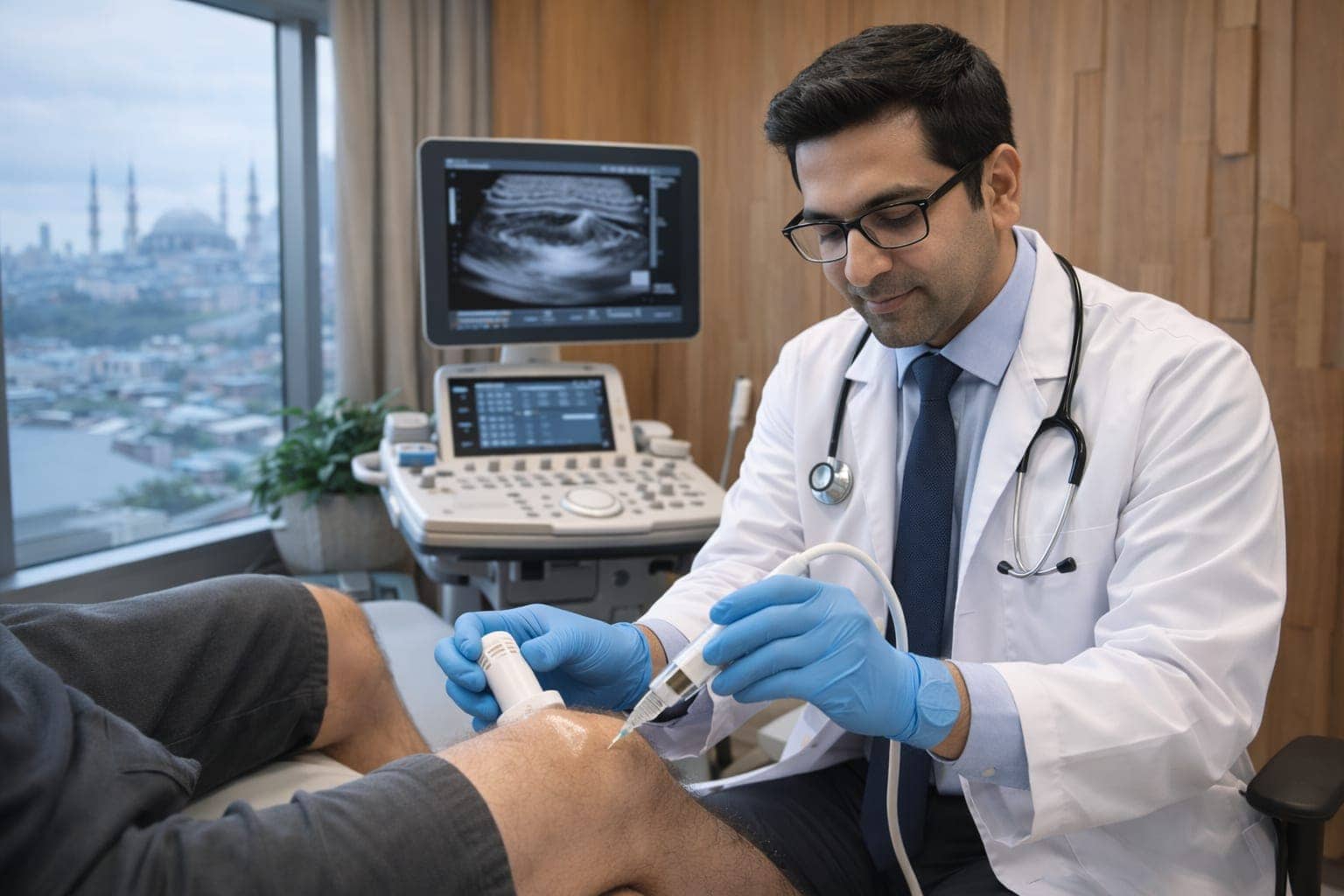
What Is Arthritis? Understanding Joint Degeneration
Arthritis encompasses over 100 inflammatory and degenerative conditions affecting the body's joints. The most prevalent form — osteoarthritis (OA) — involves progressive breakdown of hyaline articular cartilage, the 2–4mm layer of smooth, resilient tissue that cushions bone surfaces within synovial joints. As cartilage deteriorates through enzymatic degradation and mechanical wear, the underlying subchondral bone becomes exposed, leading to pain, stiffness, joint space narrowing, and eventual loss of functional mobility.
Osteoarthritis affects over 500 million people worldwide and is the leading cause of chronic disability in adults over 65. The disease involves not just cartilage — but a complex interplay of synovial inflammation, subchondral bone remodeling, osteophyte formation, meniscal degeneration, ligament laxity, and periarticular muscle atrophy. This multi-tissue pathology is why single-target treatments (painkillers, corticosteroid injections) often fail to halt disease progression.
While conventional orthopedic care focuses on symptom management and eventual joint replacement surgery, regenerative medicine offers a fundamentally different biological approach — targeting the cellular and molecular root causes of joint degeneration rather than masking pain. Mesenchymal stem cell therapy aims to modulate the destructive joint environment and support the body's intrinsic repair capacity.
Types of Arthritis Treated with Regenerative Medicine
Our orthopedic regenerative protocols address the full spectrum of degenerative and post-traumatic joint conditions. Each type requires a tailored approach based on joint anatomy, cartilage loss pattern, and biomechanical loading:
Knee Osteoarthritis (M17.1)
The most commonly treated condition worldwide. Progressive articular cartilage loss in the tibiofemoral and patellofemoral compartments, joint space narrowing, subchondral sclerosis, and osteophyte formation. Kellgren-Lawrence grades I–III respond most favorably to MSC and exosome therapy.
Hip Osteoarthritis (M16.1)
Degenerative changes in the acetabulofemoral joint including labral tears, cartilage thinning, femoroacetabular impingement, and progressive groin pain with reduced internal rotation and weight-bearing tolerance.
Shoulder Arthritis (M19.01)
Glenohumeral osteoarthritis and rotator cuff arthropathy causing chronic shoulder pain, loss of overhead function, and progressive cuff weakness. Intra-articular MSC therapy targets both the glenohumeral cartilage and subacromial structures.
Post-Traumatic Arthritis (M19.1)
Accelerated joint degeneration following fractures, ligament ruptures (ACL, PCL), meniscal injuries, or cartilage contusions — often developing years after the initial trauma in weight-bearing joints.
Hand & Wrist Arthritis (M18/M19)
Thumb base (CMC) and interphalangeal joint osteoarthritis affecting grip strength, fine motor dexterity, and daily function. Precision MSC injection under fluoroscopy or ultrasound guidance.
Ankle Osteoarthritis (M19.07)
Commonly post-traumatic in origin, causing chronic ankle pain, joint instability, impaired gait mechanics, and progressive functional limitation. Often overlooked in conventional orthopedic care.
The Biology of Cartilage Degeneration
To understand why regenerative medicine for arthritis represents a paradigm shift, it helps to understand the biology of cartilage failure. Articular cartilage is composed of chondrocytes (cartilage cells) embedded within an extracellular matrix of type II collagen fibers and proteoglycan aggregates (primarily aggrecan). This matrix gives cartilage its unique ability to absorb compressive forces up to 10 times body weight during activities like running or jumping.
In osteoarthritis, this carefully balanced system breaks down through several interconnected mechanisms:
- Enzymatic degradation — matrix metalloproteinases (MMP-1, MMP-3, MMP-13) and aggrecanases (ADAMTS-4, ADAMTS-5) progressively destroy the collagen-proteoglycan scaffold
- Chronic low-grade inflammation — pro-inflammatory cytokines (IL-1β, TNF-α, IL-6) secreted by synoviocytes and activated macrophages perpetuate cartilage catabolism
- Chondrocyte senescence — aging and mechanical stress cause chondrocytes to enter senescence, reducing their capacity to synthesize new matrix components
- Oxidative stress — reactive oxygen species (ROS) accumulation damages chondrocyte DNA, mitochondria, and extracellular matrix proteins
- Subchondral bone remodeling — abnormal osteoblast/osteoclast activity leads to bone sclerosis, cyst formation, and osteophyte growth that destabilizes joint mechanics
- Synovial inflammation (synovitis) — the synovial membrane becomes inflamed, producing excess synovial fluid, inflammatory mediators, and degradative enzymes that further accelerate cartilage destruction
Conventional treatments address downstream symptoms (pain, swelling) but leave these biological cascades unchecked. Stem cell therapy for arthritis targets multiple pathways simultaneously — a key advantage over single-mechanism pharmaceutical approaches.
Common Symptoms of Osteoarthritis
Patients seeking arthritis treatment in Istanbul typically present with a combination of the following symptoms and functional limitations:
- Chronic joint pain — persistent, deep aching that worsens with weight-bearing activity, prolonged standing, or weather changes
- Morning stiffness — joints that feel locked, rigid, or resistant for 15–30+ minutes after waking, gradually improving with gentle movement
- Reduced range of motion — difficulty fully bending, straightening, or rotating affected joints, limiting daily activities
- Joint swelling and effusion — synovial inflammation causing visible puffiness, warmth, and joint line tenderness
- Crepitus — grinding, clicking, or crackling sensations during joint movement, indicating cartilage surface irregularity
- Periarticular muscle weakness — secondary quadriceps, gluteal, or rotator cuff atrophy due to pain-related disuse
- Gait disturbance — altered walking patterns, limping, or compensatory movements that strain other joints and the spine
- Sleep disruption — nocturnal pain and positional discomfort that interfere with restorative rest and systemic recovery
- Progressive functional decline — increasing difficulty with stairs, squatting, kneeling, gripping, or overhead activities that erode independence and quality of life
Why Patients Explore Regenerative Medicine for Arthritis
Conventional arthritis management follows a predictable trajectory: over-the-counter NSAIDs, prescription anti-inflammatories, corticosteroid injections, hyaluronic acid viscosupplementation, physical therapy, and eventually total joint replacement surgery. While each step manages symptoms at progressively higher risk, none address the underlying biological cascades driving cartilage destruction.
Corticosteroid injections — the most widely used intervention — may actually accelerate cartilage loss over time according to recent longitudinal imaging studies, making repeated steroid use a controversial practice in modern orthopedic care.
Regenerative medicine represents a paradigm shift. Rather than replacing a joint with metal and polyethylene prosthetics (with a 15–20 year lifespan and revision surgery risk), stem cell therapy for osteoarthritis aims to modulate the joint environment biologically — dampening destructive inflammation, supporting chondrocyte function, and creating conditions favorable to cartilage preservation and potential repair.
International patients increasingly seek stem cell therapy at our Istanbul clinic as a medically guided, evidence-informed alternative before committing to irreversible surgical procedures — particularly younger, active patients who want to preserve their native joint for as long as possible.
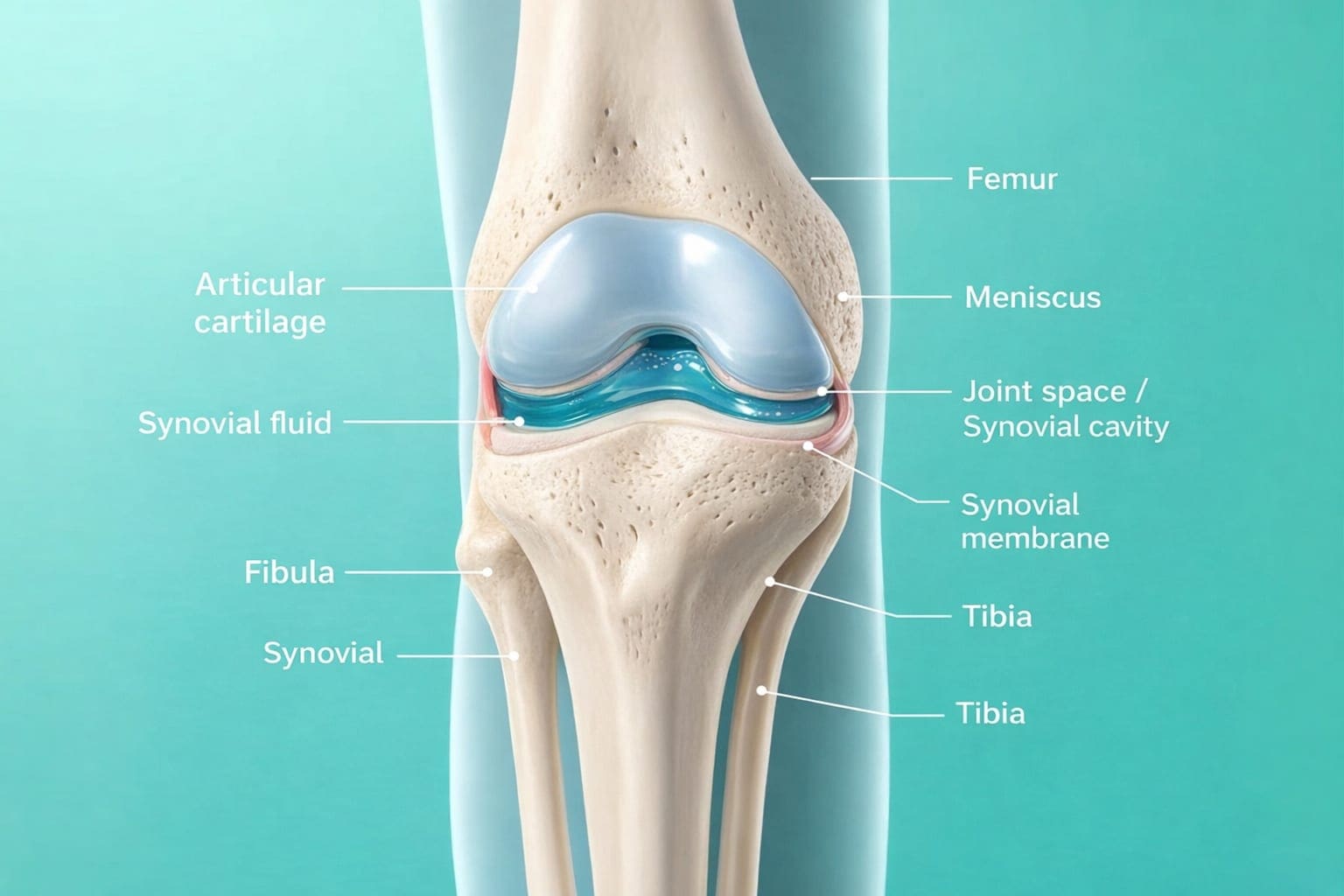
How Mesenchymal Stem Cells Support Joint Health
When Wharton's Jelly–derived mesenchymal stem cells (WJ-MSCs) are introduced into an arthritic joint via ultrasound-guided injection, they interact with the local tissue environment through multiple biological mechanisms that address the multi-tissue nature of osteoarthritis:
Anti-Inflammatory Cytokine Modulation
MSCs secrete a potent array of anti-inflammatory cytokines — including interleukin-10 (IL-10), transforming growth factor beta (TGF-β), tumor necrosis factor-stimulated gene 6 (TSG-6), and prostaglandin E2 (PGE2) — that suppress the pro-inflammatory mediators (TNF-α, IL-1β, IL-6) responsible for ongoing cartilage catabolism and synovial inflammation. This shift from a destructive to a reparative joint environment is fundamental to slowing osteoarthritis progression.
Chondroprotective Paracrine Signaling
MSCs release growth factors including insulin-like growth factor 1 (IGF-1), fibroblast growth factor 2 (FGF-2), and bone morphogenetic protein 7 (BMP-7) that support chondrocyte survival, promote proliferation, and stimulate biosynthesis of type II collagen and aggrecan — the essential structural components of healthy articular cartilage. This chondroprotective paracrine activity may help preserve remaining cartilage and support early-stage matrix repair.
Synovial Macrophage Polarization
Chronic arthritis involves persistent inflammation of the synovial membrane (synovitis), producing excess fluid, degradative enzymes, and inflammatory molecules that accelerate joint destruction. MSCs modulate synovial macrophage polarization — shifting pro-inflammatory M1 macrophages toward anti-inflammatory, reparative M2 phenotypes. This immunomodulation reduces synovitis, decreases effusion, and creates a less hostile environment for cartilage cell survival.
Subchondral Bone Homeostasis
Advanced osteoarthritis involves not just cartilage loss but also subchondral bone pathology — sclerosis, bone marrow lesions, subchondral cyst formation, and abnormal bone turnover. MSCs may contribute to improved bone homeostasis through osteoblast/osteoclast balance regulation, vascular support via VEGF secretion, and anti-fibrotic signaling that addresses bone marrow edema patterns.
Nociceptive and Neuropathic Pain Modulation
Beyond structural effects, MSCs modulate pain pathways through neuroimmune interactions and secretion of neurotrophic factors. This dual analgesic action addresses both nociceptive (tissue damage) and neuropathic (peripheral nerve sensitization) pain components that characterize chronic arthritis — often providing pain relief that conventional analgesics cannot achieve through biochemical means alone.
Senolytic and Anti-Aging Effects
Emerging research suggests MSCs may exert senolytic-like effects within the joint — helping to clear senescent chondrocytes that secrete inflammatory factors (the senescence-associated secretory phenotype, or SASP) and replacing them with healthier, metabolically active cells capable of maintaining cartilage homeostasis. This anti-aging mechanism aligns with broader longevity medicine principles applied specifically to joint health.
Exosome Therapy for Joint Regeneration and Cartilage Support
Exosome therapy is an increasingly central component of our arthritis treatment protocols in Istanbul. Exosomes are nano-sized extracellular vesicles (30–150 nm) released by mesenchymal stem cells that carry concentrated regenerative cargo — including growth factors, anti-inflammatory microRNAs, and bioactive signaling proteins — directly to target cells within the joint environment.
In the context of osteoarthritis and degenerative joint disease, exosomes may provide several key biological advantages:
- Enzyme suppression — anti-inflammatory microRNAs (miR-92a-3p, miR-140-5p, miR-26a) that downregulate cartilage-degrading enzymes including MMP-13 and ADAMTS-5
- Chondrocyte support — enhanced chondrocyte proliferation, reduced apoptosis, and stimulated extracellular matrix synthesis (type II collagen, aggrecan, lubricin)
- Macrophage reprogramming — promotion of M2 anti-inflammatory macrophage polarization within the synovium, reducing chronic synovitis
- Subchondral vascular support — angiogenic signaling in subchondral bone for improved joint nutrition and waste removal
- Superior tissue penetration — nano-sized vesicles penetrate dense cartilage matrix and synovial tissue more effectively than whole cells, reaching deeper cartilage layers
- Immunomodulation without immunogenicity — cell-free therapy with minimal immune reaction risk, ideal for patients with autoimmune considerations
Exosome therapy may be combined synergistically with intra-articular MSC injections or administered as a standalone regenerative protocol depending on the patient's arthritis severity, Kellgren-Lawrence grade, imaging findings, and treatment goals.

Arthritis Treatment Protocols at TurkeyStemcell
Our regenerative orthopedic protocols are individualized based on arthritis type, severity (Kellgren-Lawrence grade), number and location of joints affected, biomechanical loading patterns, and patient functional goals. We offer tiered treatment programs designed for different clinical needs:
Intra-Articular WJ-MSC Injection
Ultrasound-guided injection of concentrated Wharton's Jelly–derived mesenchymal stem cells directly into the affected joint space. Real-time imaging ensures precise delivery to the cartilage surface, meniscal region, and synovial environment for maximum regenerative contact. This is the cornerstone of our knee arthritis treatment in Istanbul.
Intra-Articular Exosome Therapy
Concentrated exosome preparations injected into the joint to amplify regenerative signaling, support chondrocyte viability, suppress degradative enzymes, and enhance the anti-inflammatory milieu. May be combined with MSC injection for synergistic cartilage support.
Peri-Articular Soft Tissue Treatment
Targeted MSC and exosome injections around tendons, ligaments, bursae, and periosteum surrounding the affected joint. This addresses pain generators beyond the cartilage surface — including tendinopathy, bursitis, enthesopathy, and periarticular fibrosis — common in advanced osteoarthritis.
IV Systemic MSC Therapy
For patients with polyarticular arthritis, systemic inflammation, or comorbid conditions, intravenous stem cell administration provides systemic anti-inflammatory and immunomodulatory support. IV MSCs home to sites of inflammation throughout the body, complementing targeted local joint treatment.
Multi-Joint & Bilateral Protocols
Patients with bilateral knee osteoarthritis, combined hip and knee degeneration, or polyarticular involvement receive coordinated treatment plans that address all affected areas during a single Istanbul visit — maximizing regenerative impact and minimizing travel requirements for international patients.
Complementary Regenerative Additions
Depending on individual assessment, protocols may include platelet-rich plasma (PRP) for additional growth factor delivery, hyaluronic acid for immediate joint lubrication, or NAD+ IV therapy for systemic cellular energy support. Our team at TurkeyStemcell designs each protocol as a comprehensive regenerative plan, not a single injection.
Who May Be Eligible for Arthritis Stem Cell Therapy in Turkey
Our regenerative orthopedic programs are designed for a wide range of patients seeking alternatives to conventional joint management or surgery:
- Patients with mild to moderate osteoarthritis (Kellgren-Lawrence grades I–III) seeking to delay or avoid joint replacement surgery
- Individuals with persistent joint pain despite physiotherapy, NSAIDs, corticosteroid injections, and viscosupplementation
- Active adults and athletes experiencing early joint degeneration who want to maintain athletic function and performance longevity
- Patients with post-traumatic arthritis following ACL tears, meniscal injuries, fractures, or cartilage contusions
- International patients seeking advanced regenerative orthopedic treatment at a JCI-standard accredited facility in Istanbul at a significant cost advantage
- Patients told they need total knee or hip replacement but want to explore evidence-based non-surgical regenerative options first
- Individuals with bilateral joint disease or polyarticular degeneration requiring comprehensive multi-joint treatment
- Patients with contraindications to major surgery (age, comorbidities, anticoagulation) who need non-surgical joint support
Candidacy is determined through comprehensive medical record review, diagnostic imaging analysis (MRI, weight-bearing X-rays), functional assessment, and detailed consultation with our regenerative medicine team. Request your free evaluation to determine if stem cell therapy may be appropriate for your joints.
Why International Patients Choose Istanbul for Arthritis Treatment
Turkey has emerged as one of the world's leading destinations for regenerative orthopedic medicine, combining clinical excellence with significant cost advantages and world-class hospitality. Here's why patients from the US, UK, Europe, and the Middle East choose our Istanbul arthritis clinic:
JCI-Standard Accredited Facilities
Treatment in internationally accredited medical centers with modern orthopedic infrastructure, advanced imaging (MRI, ultrasound), and GMP-aligned cell processing laboratories meeting European standards.
Expert Regenerative Orthopedic Team
Experienced physicians with specific expertise in mesenchymal stem cell therapy for osteoarthritis, sports injuries, and degenerative joint disease — supported by dedicated cell biologists and rehabilitation specialists.
40–60% Cost Advantage
Premium regenerative arthritis treatment at 40–60% lower cost than equivalent programs in the US, UK, Germany, or Switzerland — without compromising cell quality, medical standards, or clinical outcomes.
Strategic Global Location
Istanbul sits at the crossroads of Europe and Asia with direct flights from 300+ cities worldwide. Most international patients travel 3–6 hours to reach our clinic, with treatment completed in 1–3 days.
VIP International Patient Experience
Comprehensive patient support including private airport transfers, luxury accommodation coordination, multilingual medical liaisons, tourism guidance, and a dedicated patient coordinator from inquiry through follow-up.
Evidence-Based Protocols
Treatment protocols informed by peer-reviewed clinical research on MSC therapy for osteoarthritis, with structured follow-up tracking at 1, 3, 6, and 12 months using validated outcome measures (WOMAC, VAS, KOOS).

Your International Patient Journey for Arthritis Treatment in Istanbul
From initial inquiry to long-term follow-up, our team manages every aspect of your regenerative orthopedic experience:
- Free Medical Record Review: Share your MRI/X-ray imaging, medication list, symptom history, and WOMAC score so our team can assess your candidacy for arthritis stem cell therapy in Istanbul. We accept digital imaging (DICOM) and reports via secure upload or WhatsApp.
- Personalized Protocol Design: Receive a detailed treatment recommendation including joints to be treated, MSC and exosome dosing strategy, Kellgren-Lawrence grade–specific protocol rationale, expected stay, and transparent cost breakdown.
- VIP Arrival in Istanbul: Private airport transfer, luxury hotel coordination, and pre-treatment blood work (CBC, CRP, ESR, metabolic panel) at our accredited medical facility. Your multilingual patient coordinator meets you on arrival.
- Treatment Day: Ultrasound-guided intra-articular MSC and exosome injections performed under specialist supervision. No general anesthesia required. Most patients walk immediately after treatment and can explore Istanbul within 24 hours.
- Structured Follow-Up: Post-treatment guidance, personalized rehabilitation recommendations, and structured outcome tracking at 1, 3, 6, and 12 months using validated scoring systems (WOMAC, VAS, KOOS) to objectively measure your joint health progress.
Learn more about the complete international patient journey at TurkeyStemcell →
Ready to Explore Regenerative Options for Your Joints?
Our medical team evaluates your imaging, arthritis severity, and treatment goals to determine if mesenchymal stem cell therapy may be appropriate for your condition. Consultations are free, confidential, and obligation-free.
Clinical Evidence for Stem Cell Therapy in Osteoarthritis
The scientific evidence base for mesenchymal stem cell therapy for osteoarthritis has grown significantly over the past decade, with hundreds of peer-reviewed studies documenting safety and functional outcomes:
- A 2023 systematic review of 43 clinical trials concluded that MSC therapy for knee osteoarthritis demonstrated statistically significant improvements in pain (VAS), function (WOMAC), and cartilage volume on MRI follow-up compared to conventional treatments
- Long-term follow-up studies (3–5 years) show sustained functional benefits in patients with KL grade II–III osteoarthritis, with delayed progression on serial imaging
- Exosome-enriched MSC protocols have shown enhanced chondroprotective effects compared to MSC-alone approaches in multiple preclinical and early clinical studies
- Safety data across thousands of intra-articular MSC injections worldwide confirm a favorable risk profile with no reported cases of tumorigenesis or severe immune reactions
Our treatment protocols are informed by this evolving evidence base. Explore our knee osteoarthritis clinical study data and patient outcome analyses for detailed results from our programs. For a deeper understanding of the science, visit our Science & Research hub.
Frequently Asked Questions About Arthritis Stem Cell Therapy in Turkey
Medical Disclaimer
Stem cell therapy and exosome therapy for arthritis are regenerative medicine approaches under ongoing clinical investigation. These treatments are not guaranteed cures and individual outcomes vary based on osteoarthritis severity, Kellgren-Lawrence grade, joint involvement, patient age, body weight, comorbidities, activity level, and clinical history. TurkeyStemcell provides medically supervised regenerative orthopedic programs in internationally accredited facilities under specialist physician oversight. Treatment suitability is determined through comprehensive medical evaluation including imaging review. Ongoing care with your orthopedic surgeon and primary care physician remains essential. For full details, please read our Medical Disclaimer and Privacy Policy.