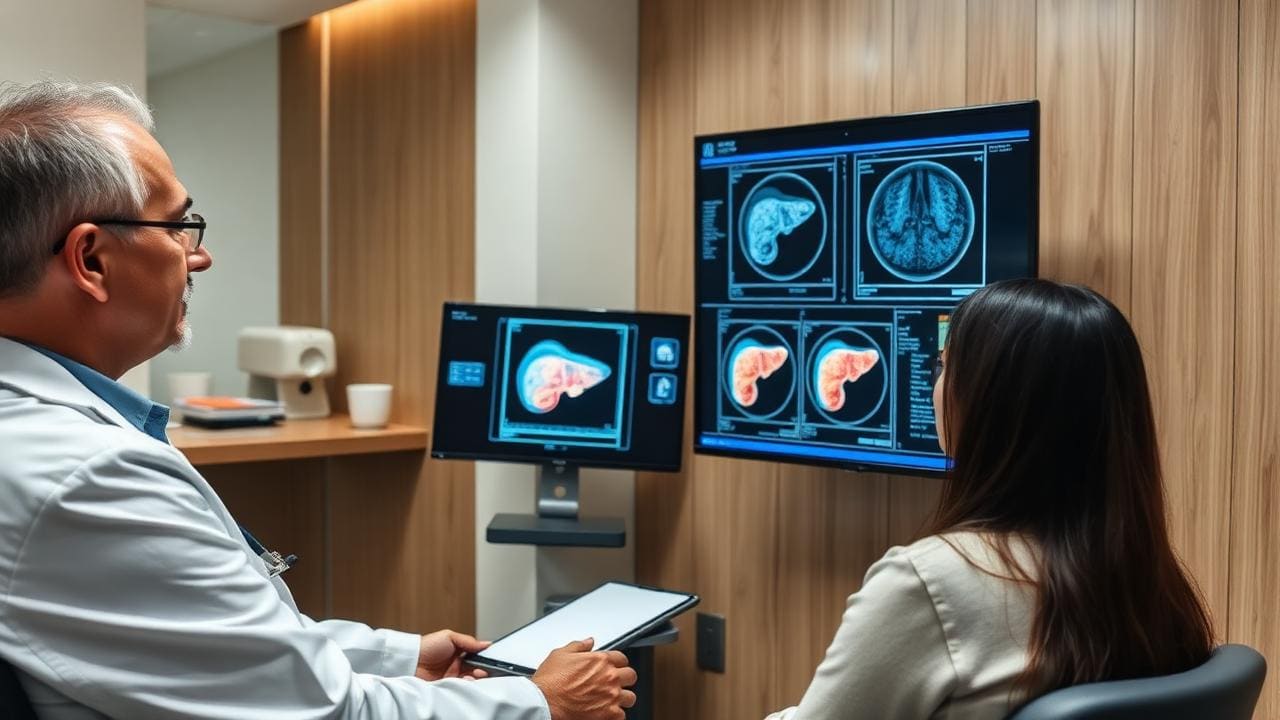
What Is Liver Failure?
Liver failure describes a state in which the liver can no longer perform its essential functions adequately. These functions include protein synthesis, detoxification, inflammatory regulation, nutrient metabolism, bile production, and the processing of hormones, toxins, and medications.
Liver failure may develop gradually as part of chronic liver disease, or it may appear more acutely depending on the cause. In many patients, the deeper issue is progressive hepatic fibrosis or cirrhosis, where healthy liver tissue is replaced by scar tissue and the organ's structure becomes more distorted over time.
Patients often begin researching stem cell therapy for liver failure after learning that conventional management may focus heavily on monitoring, medication, complication control, and transplant planning rather than meaningful regenerative recovery of liver tissue.
Common Causes of Liver Failure and Cirrhosis
The liver can deteriorate through several disease pathways, and understanding the cause helps determine whether a patient may be appropriate for regenerative review.
- Chronic hepatitis B or hepatitis C with long-term inflammatory damage
- Alcohol-related liver disease with progressive fibrosis and cirrhosis
- Non-alcoholic steatohepatitis (NASH) and fatty liver progression
- Autoimmune hepatitis and chronic inflammatory liver damage
- Metabolic and cholestatic disorders affecting long-term liver function
- Repeated inflammatory injury leading to scar formation, portal changes, and reduced hepatic reserve
This matters because patients searching for stem cell therapy for liver cirrhosis often have very different risk profiles depending on whether the dominant issue is fibrosis progression, decompensation, portal hypertension, inflammatory damage, or transplant-stage disease.
Symptoms and Daily Burden of Chronic Liver Disease
Patients exploring liver treatment in Istanbuloften describe more than just abnormal lab values. They describe reduced resilience, persistent fatigue, digestive discomfort, swelling, anxiety about progression, and a long-term sense that their overall health is becoming less stable.
Chronic Liver Fatigue
Persistent tiredness, low stamina, poor recovery, reduced concentration, and a general feeling that the body is under prolonged metabolic stress.
Signs of Reduced Liver Function
Jaundice, poor appetite, abdominal discomfort, swelling, fluid retention, bruising tendency, and reduced overall resilience.
Fibrosis and Cirrhosis Burden
Progressive liver scarring can impair hepatic blood flow, reduce hepatocyte performance, and gradually compromise detoxification, protein synthesis, and metabolic stability.
Why Patients Seek More Options
Many patients explore regenerative medicine after worrying about worsening fibrosis, declining liver markers, complications of long-term liver disease, or limited conventional options outside monitoring and transplantation pathways.
Why Patients Explore Regenerative Medicine for Liver Disease
Standard liver care remains essential, especially because liver disease can become life-threatening. But for many patients, conventional care focuses on complication management and slowing deterioration rather than true regenerative support.
This is one reason some patients begin exploring mesenchymal stem cell therapy as a complementary strategy. The interest lies in whether the inflammatory environment, fibrotic signaling, hepatic repair pathways, and overall biological resilience of the liver can be supported in a more regenerative direction.
For selected patients with chronic fibrosis or compensated cirrhosis, that question becomes especially important.
How Mesenchymal Stem Cells May Support Liver Function
Mesenchymal stem cells (MSCs) are being studied in liver disease because they interact with inflammatory, fibrotic, and repair-related pathways that are directly relevant to chronic hepatic damage.
Anti-Fibrotic Signaling
Liver fibrosis is driven largely by hepatic stellate cells and the ongoing production of extracellular scar tissue. MSCs are studied because of their potential relevance to fibrosis modulation and the signaling pathways involved in scar progression.
Hepatocyte Support
The liver depends on functional hepatocytes for protein synthesis, detoxification, metabolism, and bile production. MSC-based strategies are explored for their potential role in supporting a healthier regenerative environment around remaining liver tissue.
Inflammation Modulation
Chronic inflammation is one of the major drivers of progressive liver damage. By influencing inflammatory signaling, MSCs are being studied for their possible ability to help create a less damaging hepatic microenvironment.
Microcirculation and Tissue Environment
As cirrhosis progresses, the liver's internal architecture and vascular environment become more distorted. Supportive regenerative strategies are therefore also of interest because of their potential relevance to local tissue environment and hepatic repair signaling.
- Mesenchymal stem cells are studied for their anti-fibrotic and immunomodulatory properties rather than simply replacing damaged tissue directly.
- They are of interest because of their interaction with hepatic stellate cells, which play a central role in fibrosis and scar formation.
- They may support a more favorable regenerative environment through anti-inflammatory signaling and tissue-repair communication pathways.
- They are being explored for relevance to hepatocyte support, sinusoidal microenvironment stability, and broader liver repair signaling.
- In chronic inflammatory liver disease, MSCs are also of interest because of their immune-balancing properties.
- Supportive regenerative protocols are considered alongside hepatology management, not as a replacement for transplant medicine when transplant is indicated.
Considering Liver Stem Cell Therapy?
Send your liver function tests, imaging, fibrosis reports, and medical history for a confidential no-obligation review. We can help determine whether your case is appropriate for further discussion.
Exosome Therapy for Liver Disease
Exosome therapy is also part of the broader regenerative medicine discussion. Exosomes are signaling vesicles released by cells, including mesenchymal stem cells, and they carry bioactive molecules related to repair, inflammation regulation, and tissue communication.
In liver disease, exosome-based strategies are of interest because of their potential relevance to anti-inflammatory signaling, cellular communication, and tissue-support biology. As with MSC therapy, this remains an emerging area and should be approached with careful case selection and realistic expectations.
Who May Be Eligible for Liver Stem Cell Therapy in Turkey
Not every patient with liver disease is automatically a candidate. Suitability depends on diagnosis, fibrosis stage, portal and vascular status, current complications, encephalopathy history, infection risk, travel readiness, and overall medical stability.
- Patients with chronic liver fibrosis or compensated cirrhosis seeking supportive regenerative review
- Patients with hepatitis-related liver injury or chronic inflammatory liver damage
- Patients with NASH-related or fatty liver-related fibrotic progression
- Selected patients with stable enough liver status to travel and undergo evaluation
- International patients looking for a structured liver case review in Istanbul before making decisions
A careful review is especially important in cases involving severe decompensation, recurrent hospitalization, active bleeding risk, severe ascites, transplant waitlisting, or significant systemic instability.
Why International Patients Choose Istanbul for Liver Treatment
Patients comparing liver treatment in Turkey are usually looking for a combination of serious review, practical travel logistics, treatment accessibility, and cost efficiency.
International Medical Travel Hub
Istanbul offers strong international flight access, private healthcare infrastructure, and treatment planning options that make it practical for short-stay medical travel.
Focused Case Review
Patients can often begin with remote submission of laboratory results and imaging before travel, allowing more serious screening before committing to treatment discussions.
Cost Efficiency
Many international patients compare Turkey because regenerative treatment planning is often substantially more cost-efficient than certain private-sector options abroad.
Practical Logistics
Hotel infrastructure, direct flights, and organized patient coordination make Istanbul attractive for international patients who want treatment planning without unnecessary complexity.
Your Liver Treatment Journey in Istanbul
- Record Review: Send laboratory results, fibrosis reports, imaging, medication history, and a short symptom summary for medical screening.
- Case Assessment: We review whether the case appears more relevant for supportive regenerative discussion or whether hepatology optimization and transplant-focused management remain the priority.
- Treatment Planning: If appropriate, a proposed regenerative plan is outlined based on disease type, stage, and medical goals.
- Travel to Istanbul: Patients coordinate a short stay for treatment, observation, and follow-up discussion.
- Post-Treatment Guidance: Patients receive follow-up recommendations and are encouraged to continue working closely with their hepatologist or liver specialist.
What Documents You Should Send for Evaluation
The quality of the review depends heavily on the quality of the records. The more complete the documentation, the more precise the discussion can be.
- Liver function tests including ALT, AST, bilirubin, albumin, and INR
- CBC and relevant chemistry results
- Ultrasound, MRI, or CT imaging
- FibroScan or elastography results if available
- Viral hepatitis status and prior treatment history if relevant
- Medication list and prior procedures
- Hospital discharge summaries if applicable
- Short summary of current symptoms and goals
Benefits Patients Commonly Hope For
Patients researching stem cell therapy for liver failure commonly hope for a combination of laboratory and quality-of-life improvements:
- Support for liver function markers
- Reduced inflammatory burden
- Improved energy and appetite
- Better stability in daily life
- Support for anti-fibrotic and tissue-repair pathways
- Improved overall quality of life in selected cases
Important: results vary significantly. No improvement can be guaranteed, and liver failure remains a serious condition that requires continuous specialist oversight.
Safety, Limitations, and Realistic Expectations
Patients should approach regenerative medicine for liver disease with both hope and realism. Stem cell therapy is not a universal answer, not every patient is a candidate, and outcomes can vary widely based on disease stage, fibrosis burden, vascular status, inflammatory activity, nutritional reserve, and overall medical stability.
It is especially important to understand that regenerative treatment should not replace hepatology care. Severe jaundice, progressive ascites, GI bleeding, confusion suggestive of encephalopathy, infection, or rapid deterioration require direct specialist evaluation through appropriate medical channels.
Liver transplantation remains the definitive treatment for many end-stage cases, and regenerative medicine should never be framed as a guaranteed substitute for transplant medicine.
Explore Whether Your Liver Case Is a Fit
Our team can review your liver cirrhosis, hepatic fibrosis, or chronic liver disease records and tell you whether your case appears suitable for further regenerative medicine discussion.
Frequently Asked Questions
Medical Disclaimer
Stem cell therapy and exosome therapy for liver failure, liver cirrhosis, hepatic fibrosis, and chronic liver disease are generally considered investigational or emerging. This page is for educational purposes and does not replace individualized medical advice, diagnosis, or treatment from a licensed hepatologist or physician. Patients should not stop or alter standard treatment without medical supervision.