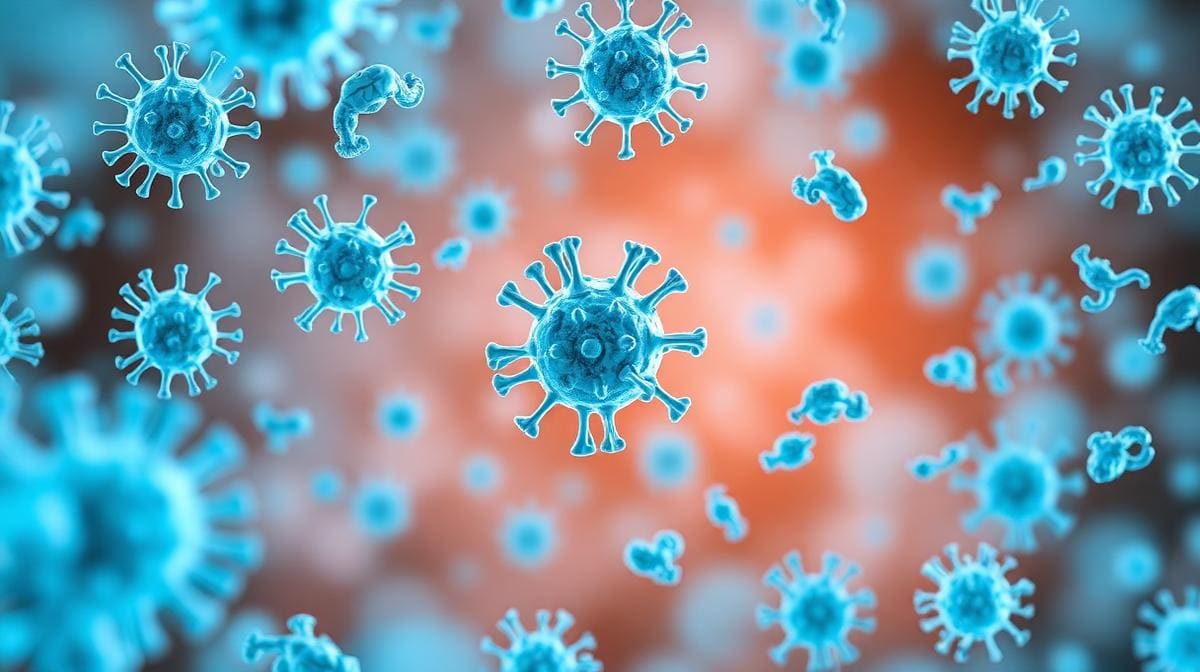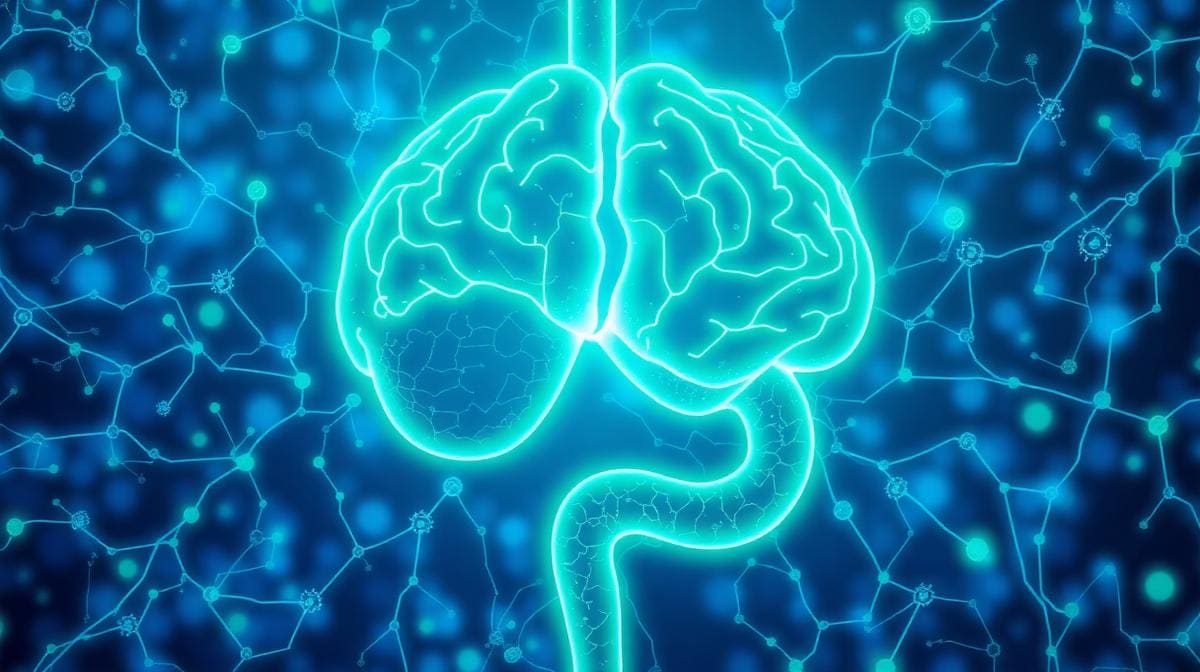
A comprehensive, medically detailed parent guide to the relationship between autism and gut health — covering the gut-brain axis, microbiome dysbiosis, intestinal permeability, short-chain fatty acids, serotonin metabolism, vagal tone, and how gut-related factors are assessed during regenerative medicine consultations in Istanbul.
What is the connection between autism and gut health?
Research has documented significant alterations in gut microbiome composition, increased intestinal permeability ('leaky gut'), reduced short-chain fatty acid production, disrupted serotonin metabolism, and elevated gut-derived inflammatory markers in many children with autism spectrum disorder. These gastrointestinal factors communicate with the brain through the gut-brain axis — a bidirectional signaling network involving the vagus nerve, immune mediators, and microbial metabolites — and may contribute to behavioral dysregulation, sensory sensitivity, sleep disruption, and mood instability.
If you are the parent of a child with autism, there is a strong chance that digestive symptoms are part of your daily reality. Chronic constipation, unexplained diarrhea, bloating after meals, food selectivity that goes far beyond 'picky eating,' abdominal pain that your child cannot articulate, and disrupted sleep that seems connected to eating patterns — these are not peripheral concerns. For many families, gastrointestinal distress is one of the most persistent, exhausting, and underaddressed aspects of autism.
The medical community has increasingly recognized that the relationship between autism and gut health is not coincidental. A substantial body of peer-reviewed research — spanning microbiome sequencing studies, intestinal permeability assays, metabolomic profiling, immune tissue biopsies, and neuroimaging — has documented measurable biological differences in the gastrointestinal systems of children on the autism spectrum. These differences are not merely digestive; they connect, through multiple biological pathways, to the neurological, immunological, and behavioral features that define the condition.
This guide explains the gut-brain axis in the context of autism in full scientific detail — written for parents who want to understand the biology clearly, not oversimplified and not exaggerated, so that conversations with clinicians (including regenerative medicine consultations at TurkeyStemcell in Istanbul) are grounded in real knowledge rather than marketing language.
Gut-Related Biological Factors in Autism
| Biological Factor | What Research Has Found in ASD | Potential Clinical Significance |
|---|---|---|
| Microbiome Composition | Reduced Bifidobacterium, Prevotella; increased Clostridium, Desulfovibrio; lower overall diversity | Altered metabolite production, reduced immune regulation, increased inflammatory signaling |
| Intestinal Permeability | Elevated lactulose/mannitol ratios, zonulin elevation, tight junction disruption | Bacterial translocation, endotoxemia, systemic immune activation, neuroinflammation |
| Short-Chain Fatty Acids (SCFAs) | Altered butyrate, propionate, acetate levels; reduced butyrate-producing species | Impaired colonocyte nutrition, weakened gut barrier, reduced anti-inflammatory signaling |
| Serotonin Metabolism | ~95% of serotonin produced in gut; altered tryptophan metabolism, elevated whole-blood 5-HT | Disrupted mood regulation, sleep architecture, GI motility, sensory processing |
| Vagal Tone | Reduced vagal tone documented in ASD subgroups; impaired autonomic regulation | Decreased anti-inflammatory reflex, poor gut-brain communication, stress reactivity |
| Gut Mucosal Immunity | Elevated gut-associated lymphoid tissue (GALT) activation, mucosal cytokine imbalance | Chronic GI inflammation, food reactivity, nutrient malabsorption, immune dysregulation |
The Gut-Brain Axis: Architecture of Bidirectional Communication
The gut-brain axis is not a single pathway but a complex, bidirectional communication network that integrates the central nervous system (CNS), the enteric nervous system (ENS — often called the 'second brain'), the autonomic nervous system, the hypothalamic-pituitary-adrenal (HPA) axis, the immune system, and the gut microbiome. Information flows in both directions: the brain influences gut motility, secretion, and immune function, while the gut sends signals to the brain through neural, endocrine, immune, and metabolic pathways.
The vagus nerve serves as the primary neural highway in this system — a cranial nerve that runs from the brainstem to the abdomen, carrying approximately 80% of its signals from gut to brain (afferent) rather than brain to gut (efferent). This means the gut is constantly reporting its status to the brain: the composition of its microbial residents, the integrity of its mucosal barrier, the presence of inflammatory mediators, the availability of metabolites, and the state of its immune tissue.
In children with autism, research suggests that this communication system may be operating under significant biological stress. Altered microbiome composition changes the metabolite signals being sent to the brain. Intestinal permeability allows inflammatory molecules to enter systemic circulation and reach the CNS. Reduced vagal tone impairs the anti-inflammatory reflex that normally keeps gut inflammation in check. And disrupted serotonin metabolism — with approximately 95% of the body's serotonin produced in the gut — may affect mood regulation, sleep architecture, and sensory processing simultaneously.
Understanding this architecture is essential for parents because it explains why 'gut symptoms' and 'brain symptoms' are not separate categories in autism. They are manifestations of the same interconnected biological system — and addressing one without considering the other is, from a systems biology perspective, incomplete.
Microbiome Dysbiosis in Autism: What the Research Documents
The human gut microbiome comprises trillions of microorganisms — bacteria, archaea, fungi, and viruses — that collectively influence digestion, immune development, neurotransmitter production, vitamin synthesis, and metabolic regulation. In children with autism, dozens of studies using 16S rRNA sequencing and metagenomic analysis have documented consistent patterns of microbiome dysbiosis — a shift away from the balanced microbial communities seen in neurotypical controls.
Common findings include reduced abundance of beneficial genera such as Bifidobacterium, Prevotella, and Faecalibacterium — organisms that produce anti-inflammatory short-chain fatty acids and support gut barrier integrity. Simultaneously, researchers have found elevated levels of potentially pathogenic or pro-inflammatory organisms, including certain species of Clostridium, Desulfovibrio (a hydrogen sulfide-producing genus), and Sutterella.
A landmark 2019 study published in Scientific Reports found that children with ASD had significantly lower microbial diversity compared to neurotypical siblings and unrelated controls — and that the degree of dysbiosis correlated with GI symptom severity and, in some analyses, with behavioral symptom scores. Other studies have documented altered Bacteroidetes-to-Firmicutes ratios, reduced Akkermansia muciniphila (a mucin-degrading species important for gut barrier maintenance), and elevated Candida species.
It is important to note that microbiome research in autism is still evolving, and no single 'autism microbiome signature' has been universally replicated. Heterogeneity in study designs, dietary differences, medication use, geographic variation, and the inherent diversity of the autism spectrum itself make definitive conclusions difficult. However, the consistency of the general pattern — reduced diversity, depleted beneficial species, elevated pro-inflammatory organisms — is strong enough to warrant serious clinical attention.
Key Microbiome Findings in Autism Research
Reduced Bifidobacterium and Prevotella abundance • Elevated Clostridium and Desulfovibrio species • Lower overall microbial diversity • Altered Bacteroidetes-to-Firmicutes ratio • Reduced Akkermansia muciniphila • Elevated Candida species in some cohorts • Correlation between dysbiosis severity and GI symptom burden • Altered short-chain fatty acid profiles in stool metabolomics
Intestinal Permeability: The 'Leaky Gut' Hypothesis in Autism
The intestinal barrier is a single-cell-thick epithelial lining held together by tight junction proteins (claudins, occludin, zonula occludens) that selectively control what passes from the gut lumen into the bloodstream. When this barrier is compromised — a condition formally termed 'increased intestinal permeability' and colloquially known as 'leaky gut' — molecules that should remain confined to the digestive tract can enter systemic circulation, including bacterial lipopolysaccharides (LPS), incompletely digested food proteins, and microbial metabolites.
Multiple studies have documented increased intestinal permeability in children with autism using lactulose-mannitol ratio testing, serum zonulin levels, and anti-LPS antibody measurements. A 2010 study by de Magistris and colleagues found significantly elevated intestinal permeability in 36.7% of ASD patients compared to 4.8% of controls — and also found elevated permeability in a subset of first-degree relatives, suggesting a possible genetic component to barrier dysfunction.
The clinical significance of intestinal permeability in autism extends far beyond the gut. When bacterial endotoxins (LPS) enter the bloodstream, they activate toll-like receptor 4 (TLR4) on immune cells throughout the body, triggering systemic inflammatory cascades that can reach the brain. This process — sometimes called 'metabolic endotoxemia' — provides a direct mechanistic link between gut barrier dysfunction and neuroinflammation in autism.
For parents, this means that chronic gut barrier issues are not just causing digestive discomfort — they may be actively contributing to the inflammatory burden that affects their child's neurological function, immune regulation, and behavioral stability. This is why responsible regenerative medicine evaluations include questions about GI history, food sensitivities, and inflammatory markers as part of the assessment process.
Short-Chain Fatty Acids: The Missing Metabolites
Short-chain fatty acids (SCFAs) — primarily butyrate, propionate, and acetate — are produced by bacterial fermentation of dietary fiber in the colon. These metabolites are far more than waste products; they serve as the primary energy source for colonocytes (the cells lining the colon), regulate immune cell function, modulate gene expression through histone deacetylase (HDAC) inhibition, strengthen tight junction assembly, and send signals to the brain through both vagal afferents and direct bloodstream transport.
Butyrate is perhaps the most clinically significant SCFA in the autism context. It strengthens the gut barrier by upregulating tight junction protein expression, promotes anti-inflammatory T-regulatory cell differentiation, inhibits NF-κB (a master inflammatory transcription factor), supports mitochondrial function in colonocytes, and has been shown in animal models to influence brain-derived neurotrophic factor (BDNF) expression — a protein critical for neuronal plasticity and learning.
Studies measuring fecal SCFA levels in children with autism have found altered profiles — often with reduced butyrate and acetate and elevated propionate. Elevated propionate is particularly noteworthy because animal studies by Derrick MacFabe and colleagues demonstrated that intracerebroventricular injection of propionic acid in rats produced behavioral changes resembling autism — including social withdrawal, repetitive behaviors, and neuroinflammation — raising the hypothesis that microbially-derived propionate may contribute to ASD symptomatology.
The depletion of butyrate-producing species (such as Faecalibacterium prausnitzii and Roseburia) in the ASD microbiome therefore has cascading consequences: weakened gut barrier, reduced immune regulation, impaired colonocyte health, and altered brain signaling — all from the loss of a single category of microbial metabolites.
Serotonin, Tryptophan, and the Gut-Brain Neurotransmitter Connection
Approximately 95% of the body's serotonin (5-hydroxytryptamine, 5-HT) is produced in the gut by enterochromaffin cells — not in the brain. This gut-derived serotonin regulates intestinal motility, secretion, visceral sensitivity, and immune cell function. While gut serotonin does not cross the blood-brain barrier directly, its production competes with brain serotonin synthesis for the same precursor amino acid: tryptophan.
In children with autism, researchers have documented what is sometimes called the 'serotonin paradox': elevated whole-blood serotonin (hyperserotonemia, found in approximately 25-30% of individuals with ASD) coexisting with potential central serotonin deficiency. One hypothesis is that excessive peripheral serotonin production depletes available tryptophan, reducing the substrate available for brain serotonin synthesis — a competition mediated at the blood-brain barrier by the large neutral amino acid transporter.
Additionally, tryptophan can be diverted from serotonin synthesis entirely through the kynurenine pathway — a metabolic route activated by inflammatory cytokines (particularly interferon-gamma and TNF-α). When the kynurenine pathway is upregulated, as occurs during chronic inflammation, tryptophan is converted into quinolinic acid (a neurotoxic NMDA receptor agonist) and other metabolites rather than serotonin. This provides another mechanism by which gut inflammation can deplete brain serotonin availability.
For families, the practical implication is that serotonin-related symptoms in autism — sleep disruption, mood instability, anxiety, GI motility problems, sensory processing difficulties — may have roots in gut-level metabolic disturbances rather than being purely 'neurological' in origin. This is why a systems-level approach that considers gut health alongside neurological assessment offers a more complete clinical picture.
The Tryptophan-Serotonin Pathway in Autism
~95% of serotonin produced in the gut by enterochromaffin cells • Hyperserotonemia (elevated blood 5-HT) found in ~25-30% of ASD individuals • Tryptophan competition between gut and brain serotonin synthesis • Inflammatory cytokines divert tryptophan to the kynurenine pathway • Kynurenine pathway produces quinolinic acid (neurotoxic) instead of serotonin • Gut dysbiosis can alter tryptophan availability through microbial metabolism • Sleep, mood, motility, and sensory processing all influenced by serotonin status
Concerned About Your Child's Digestive Symptoms?
Our medical team in Istanbul evaluates your child's full clinical picture — including GI history, microbiome-related concerns, inflammatory markers, and developmental profile — to determine whether regenerative medicine support may be appropriate.
Request a Free ConsultationThe Vagus Nerve: The Neural Highway Between Gut and Brain
The vagus nerve (cranial nerve X) is the longest cranial nerve in the body, extending from the brainstem through the neck and thorax to the abdomen. It serves as the primary neural conduit of the gut-brain axis, and approximately 80% of its fibers are afferent — meaning they carry information from the gut to the brain rather than the reverse.
Vagal afferents detect gut luminal contents, microbial metabolites, inflammatory mediators, mechanical stretch, and hormonal signals. They relay this information to the nucleus tractus solitarius (NTS) in the brainstem, which then distributes signals to brain regions involved in emotional regulation (amygdala), reward processing (ventral tegmental area), interoception (insular cortex), and autonomic control (hypothalamus).
Research has documented reduced vagal tone in subgroups of children with autism — measured through heart rate variability (HRV) analysis. Reduced vagal tone has multiple consequences: it impairs the cholinergic anti-inflammatory pathway (a vagal reflex that suppresses peripheral inflammation through acetylcholine signaling), reduces the brain's real-time awareness of gut status, and contributes to autonomic dysregulation that manifests as stress reactivity, poor emotional regulation, and impaired social engagement.
The polyvagal theory, developed by Stephen Porges, specifically connects vagal function to social behavior — proposing that the 'social engagement system' depends on adequate ventral vagal tone. While the theory remains debated in its specifics, the broader principle that vagal function influences both gut-brain communication and social-emotional regulation is well supported by autonomic physiology research and is directly relevant to understanding autism as a condition with both neurological and gastrointestinal dimensions.
Common Gastrointestinal Symptoms and Their Neurological Correlates
Gastrointestinal problems are remarkably common in children with autism — prevalence estimates range from 30% to over 70% depending on the study methodology and diagnostic criteria. These include chronic constipation (the most frequently reported symptom), diarrhea, alternating bowel patterns, bloating, abdominal pain, gastroesophageal reflux, food selectivity beyond typical developmental patterns, and evidence of intestinal inflammation on endoscopic biopsy.
What makes these symptoms particularly important in the autism context is their correlation with behavioral and neurological measures. Multiple studies have found that children with ASD who have more severe GI symptoms also tend to have more severe anxiety, irritability, social withdrawal, sleep disruption, and sensory processing difficulties. A 2014 study in BMC Gastroenterology found that GI symptom severity predicted behavioral symptom severity more strongly than ASD diagnostic subtype.
For many non-verbal or minimally verbal children, gastrointestinal pain may manifest as behavioral changes that are misinterpreted as 'acting out' — increased self-injurious behavior, aggression, sleep refusal, food refusal, or regression in previously acquired skills. Parents who have suspected that their child's behavioral episodes are pain-driven are often correct, and appropriate GI evaluation can dramatically improve quality of life even before any other intervention.
This is why comprehensive regenerative medicine evaluations at our Istanbul clinic include detailed GI history-taking. Understanding the child's digestive patterns is not a secondary concern — it is a core component of understanding their biological profile and determining whether immune modulation, inflammatory reduction, or systemic support may be clinically relevant.
How Gut Health Informs Regenerative Medicine Consultations
During a regenerative medicine consultation for a child with autism at TurkeyStemcell, gut health is evaluated as part of the complete biological picture — not in isolation and not as a stand-alone 'gut treatment.' The medical team reviews the child's GI symptom history, dietary patterns, stool characteristics, food sensitivities, prior GI investigations (if any), inflammatory markers, and the relationship between digestive episodes and behavioral changes.
This information helps the clinical team understand the child's inflammatory burden, the likely state of their gut-brain axis communication, and whether systemic immune dysregulation may be contributing to both GI and neurological symptoms simultaneously. Mesenchymal stem cells (MSCs), particularly Wharton's Jelly-derived MSCs, have been studied for their ability to modulate immune responses, reduce inflammatory cytokine production, support tissue repair, and influence T-regulatory cell function — mechanisms that are relevant to both gut mucosal healing and neuroinflammatory reduction.
Exosome therapy is also discussed in this context, as exosomes carry bioactive cargo (microRNAs, growth factors, anti-inflammatory proteins) that can influence cellular behavior in target tissues. The rationale is that addressing the inflammatory environment systemically — rather than targeting only the gut or only the brain — may offer a more coherent approach for children whose symptoms span multiple organ systems.
It is important to emphasize that regenerative medicine is not presented as a cure for autism or as a replacement for developmental therapies, behavioral support, nutritional optimization, or ongoing medical care. It is discussed as a potential supportive intervention that addresses specific biological factors — particularly inflammation and immune dysregulation — that may be contributing to the child's symptom burden. Families are encouraged to continue working with their developmental pediatricians, speech therapists, occupational therapists, and other providers as part of an integrated support strategy.
Frequently Asked Questions
Why is gut health important in autism?
Research has documented significant gastrointestinal differences in many children with autism, including altered microbiome composition, increased intestinal permeability, disrupted serotonin metabolism, and elevated gut-derived inflammatory markers. These GI factors communicate with the brain through the gut-brain axis and may influence behavioral regulation, sensory processing, sleep, and mood — making gut health a clinically important consideration in comprehensive autism assessment.
What is the gut-brain axis and how does it relate to autism?
The gut-brain axis is a bidirectional communication network connecting the gastrointestinal system and the central nervous system through neural pathways (primarily the vagus nerve), immune signaling, endocrine mediators, and microbial metabolites. In autism, this system may be operating under biological stress due to microbiome dysbiosis, intestinal permeability, and inflammatory activation — creating a feedback loop between digestive and neurological symptoms.
What gut symptoms are most common in children with autism?
The most frequently reported GI symptoms include chronic constipation, diarrhea, alternating bowel patterns, bloating, abdominal pain, gastroesophageal reflux, and food selectivity that exceeds typical developmental patterns. Studies estimate that 30-70% of children with ASD experience clinically significant gastrointestinal symptoms, and GI symptom severity has been correlated with behavioral symptom severity in multiple research studies.
What is microbiome dysbiosis in autism?
Microbiome dysbiosis refers to an imbalance in the gut microbial community. In children with autism, researchers have found reduced levels of beneficial bacteria (Bifidobacterium, Prevotella, Faecalibacterium), elevated levels of potentially harmful organisms (certain Clostridium and Desulfovibrio species), lower overall microbial diversity, and altered metabolite profiles — particularly reduced butyrate production and altered short-chain fatty acid ratios.
What does 'leaky gut' mean in the context of autism?
Increased intestinal permeability ('leaky gut') occurs when the tight junctions between intestinal epithelial cells are compromised, allowing bacterial endotoxins (LPS), food proteins, and microbial metabolites to enter the bloodstream. Studies have documented elevated intestinal permeability in approximately 37% of children with ASD. This can trigger systemic immune activation and neuroinflammation through TLR4-mediated inflammatory cascades.
How does serotonin production in the gut affect autism?
Approximately 95% of the body's serotonin is produced in the gut. Many children with autism show hyperserotonemia (elevated blood serotonin), which may deplete tryptophan available for brain serotonin synthesis. Additionally, inflammatory cytokines can divert tryptophan to the kynurenine pathway, producing neurotoxic metabolites instead of serotonin — potentially contributing to sleep disruption, mood instability, and sensory processing difficulties.
What are short-chain fatty acids and why do they matter in autism?
Short-chain fatty acids (SCFAs) — butyrate, propionate, and acetate — are produced by gut bacteria fermenting dietary fiber. They serve as the primary energy source for colon cells, strengthen the gut barrier, regulate immune function, and send signals to the brain. Children with autism often show altered SCFA profiles, including reduced butyrate (anti-inflammatory) and elevated propionate (which has been linked to autism-like behaviors in animal models).
Does every child with autism have gut problems?
No. While gastrointestinal symptoms are significantly more prevalent in children with autism compared to neurotypical peers, they are not universal. Autism is a profoundly heterogeneous condition, and gut involvement varies. A responsible clinical evaluation should assess each child individually rather than assuming a uniform gut profile. Some children have severe GI issues; others have minimal digestive symptoms.
How is gut health assessed during an autism consultation in Istanbul?
During a consultation at TurkeyStemcell, gut health is evaluated as part of the complete clinical picture. The medical team reviews GI symptom history, dietary patterns, stool characteristics, food sensitivities, inflammatory markers, prior GI investigations, and the relationship between digestive episodes and behavioral changes. This information helps determine whether immune modulation and systemic inflammatory reduction may be clinically relevant.
Can stem cell therapy treat gut problems in autism?
Regenerative medicine is not presented as a specific 'gut treatment.' However, mesenchymal stem cells have been studied for their ability to modulate immune responses, reduce inflammatory cytokine production, support tissue repair, and promote T-regulatory cell function — mechanisms relevant to both gut mucosal healing and neuroinflammatory reduction. The approach addresses the systemic inflammatory environment rather than targeting the gut in isolation.
What role does the vagus nerve play in autism gut-brain communication?
The vagus nerve is the primary neural conduit of the gut-brain axis, with approximately 80% of its fibers carrying signals from gut to brain. Reduced vagal tone — documented in ASD subgroups through heart rate variability analysis — impairs the anti-inflammatory reflex, reduces gut-brain communication quality, and contributes to autonomic dysregulation, stress reactivity, and poor social-emotional regulation.
Should parents pursue gut testing before considering regenerative medicine?
Comprehensive GI evaluation — including stool analysis, food sensitivity testing, and inflammatory marker assessment — can provide valuable baseline information. However, the consultation process at TurkeyStemcell includes medical record review and history-taking that captures digestive patterns. Families should share any existing GI test results with the medical team to support a thorough evaluation.
Continue exploring
Explore autism treatment & support pages
Continue from the blog into clinical resources, parent guidance, and our autism stem cell therapy program in Istanbul.
Autism Stem Cell Therapy
Mesenchymal stem cell and exosome programs designed for children and adults on the autism spectrum.
Visit pageCerebral Palsy Programs
Regenerative therapy plans supporting neurological function, mobility, and rehabilitation.
Visit pageAutism Parents Hub
Travel logistics, safety standards, and what families should expect when coming to Istanbul.
Visit pageAutism FAQ
Answers to the most common medical, ethical, and logistical questions parents ask before treatment.
Visit pageExplore Related Pages
Continue into condition pages, science content, and consultation resources that support this topic.
Topical tags
Written by
TurkeyStemcell Editorial Team
Medically reviewed by
Uzm. Dr. Cihan Bolat, MD