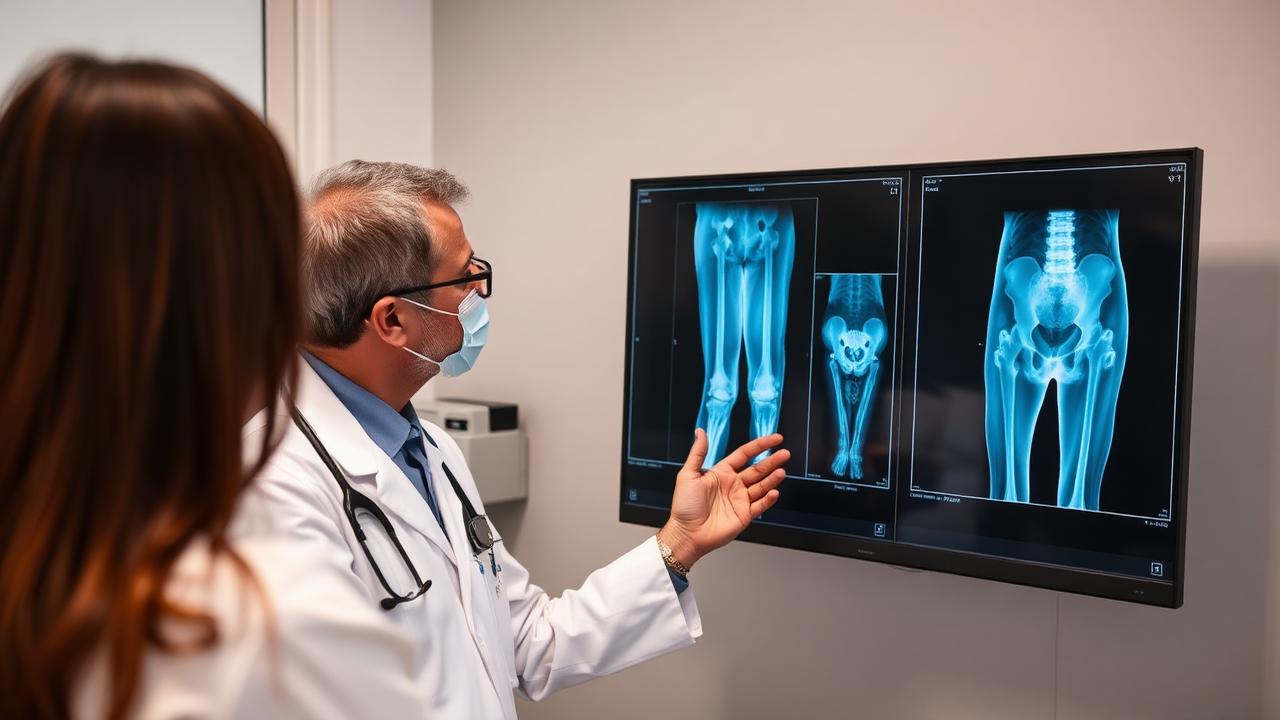
Understanding Osteoarthritis
Osteoarthritis (OA) is the most common form of arthritis and one of the leading causes of chronic joint pain and mobility loss worldwide. It involves progressive degeneration of articular cartilage, changes in subchondral bone, synovial inflammation, and structural deterioration inside the joint.
Patients with osteoarthritis often experience pain, stiffness, swelling, reduced range of motion, grinding sensations, and gradual decline in walking tolerance or joint function. Weight-bearing joints such as the knees and hips are especially vulnerable, although shoulders, ankles, and other joints may also be affected.
Conventional care often includes pain medication, physical therapy, corticosteroid injections, hyaluronic acid, activity modification, and eventually joint replacement surgery. Many patients explore mesenchymal stem cell therapy and exosome therapy because they want a biological strategy aimed at joint preservation rather than symptom masking alone.
Why Osteoarthritis Develops
Osteoarthritis is not just simple wear and tear. It is a complex degenerative joint process involving cartilage breakdown, inflammation, biomechanical stress, and changes in bone and soft tissue around the joint.
Cartilage Breakdown
Osteoarthritis involves progressive wear and degeneration of articular cartilage, reducing the joint's smooth protective surface.
Inflammatory Joint Environment
Although OA is degenerative, low-grade chronic inflammation within the joint contributes to pain, stiffness, and structural decline.
Subchondral Bone Stress
As cartilage deteriorates, bone underneath the joint surface is exposed to abnormal mechanical loading and remodeling.
Biomechanical Overload
Previous injuries, malalignment, obesity, repetitive strain, or years of wear can accelerate OA progression in weight-bearing joints.
Common Symptoms of Osteoarthritis
Patients seeking osteoarthritis stem cell therapy in Turkey often report more than just joint pain:
Pain and Stiffness
Osteoarthritis often causes chronic pain, morning stiffness, and discomfort that worsens with walking, stairs, standing, or prolonged activity.
Loss of Mobility
As cartilage thins and inflammation develops, the joint may lose smooth motion and daily activities can become progressively harder.
Swelling and Inflammation
Many joints affected by osteoarthritis also develop synovial irritation, swelling, and a sense of heaviness or pressure after use.
Surgery Concerns
A large number of patients explore regenerative treatment because they want to delay, avoid, or better prepare for joint replacement surgery.
How Stem Cells May Help Osteoarthritis
Mesenchymal stem cells (MSCs) are being studied for osteoarthritis because they may influence joint biology in several ways at once. Their potential benefit is generally linked to signaling and joint-environment improvement rather than guaranteed structural reversal.
- Paracrine secretion of anti-inflammatory cytokines that may reduce synovial irritation
- Chondroprotective signaling that may support cartilage matrix biology
- Inhibition of inflammatory pathways that contribute to cartilage breakdown
- Support for synovial fluid quality and joint environment improvement
- Possible modulation of subchondral bone stress and degenerative joint signaling
- Regenerative support aimed at preserving joint function and delaying progression
Inflammation Modulation
Even though osteoarthritis is degenerative, inflammation plays a meaningful role in pain, stiffness, and ongoing tissue breakdown. One reason patients explore stem cell therapy for osteoarthritis is the possibility of improving the inflammatory environment within the joint.
Cartilage-Protective Signaling
MSCs are studied because they may release factors that support chondrocyte function, cartilage matrix balance, and a more favorable repair-oriented environment inside the joint space.
Joint Preservation Goals
Many patients are not expecting a miracle. They are looking for pain relief, better mobility, improved function, and a way to delay or avoid joint replacement surgery if their case still allows for a regenerative approach.
Considering Alternatives to Joint Surgery?
Submit your X-rays, MRI reports, orthopedic notes, and symptom history for a free regenerative orthopedic evaluation in Istanbul.
Knee Osteoarthritis and Bilateral Knee Treatment
Knee osteoarthritis is the most common reason patients inquire about orthopedic stem cell therapy. Because the knees تحمل repetitive load every day, cartilage breakdown, inflammation, and joint narrowing can become highly symptomatic over time.
Many international patients ask whether both knees can be treated during one trip. In appropriate cases, bilateral treatment may be possible and can make travel more efficient. Whether this is advisable depends on joint severity, walking ability, alignment, and the overall treatment plan.
Who May Be Eligible for Osteoarthritis Stem Cell Therapy in Turkey
Eligibility depends heavily on the condition of the joint and how advanced the degeneration has become:
- Patients with mild to moderate osteoarthritis seeking a regenerative alternative before surgery
- Patients with ongoing pain, stiffness, and reduced mobility despite medication, injections, or physical therapy
- Patients with knee, hip, shoulder, or ankle osteoarthritis supported by imaging findings
- Patients seeking to delay joint replacement or improve function before orthopedic surgery becomes necessary
- Patients able to provide X-rays, MRI reports, orthopedic notes, and treatment history for review
Very advanced joint destruction, major deformity, or severe bone-on-bone collapse may reduce the likelihood that regenerative therapy is the right choice. Those cases still need honest orthopedic evaluation.
Your Osteoarthritis Treatment Journey in Istanbul
- Record Review: Send X-rays, MRI reports, orthopedic notes, symptom summary, and prior treatment history.
- Joint Severity Assessment: The case is reviewed based on pain, function, imaging, cartilage loss, alignment, and whether the goal is pain control, function improvement, or surgery delay.
- Protocol Planning: If appropriate, an intra-articular regenerative treatment plan is designed based on the joint involved and the severity of osteoarthritis.
- Treatment and Follow-Up: Patients receive treatment in Istanbul with guidance on post-procedure activity modification and follow-up expectations.
Why International Patients Choose Istanbul
Patients looking for osteoarthritis treatment in Turkey often want a combination of orthopedic review, regenerative medicine access, international travel convenience, and a more favorable private-treatment cost structure.
Orthopedic Regenerative Review
Osteoarthritis cases are assessed based on imaging, joint function, severity, and whether a regenerative joint-preservation approach remains realistic.
Advanced Regenerative Focus
Our protocols emphasize intra-articular stem cell and exosome-based support for patients seeking biological treatment before major surgery.
International Patient Access
Istanbul offers strong private medical infrastructure and an accessible travel hub for international orthopedic patients.
Cost Advantage
Turkey often offers a substantial cost advantage compared with many Western private regenerative clinics and orthopedic centers.
Safety, Risks, and Realistic Expectations
Stem cell and exosome therapy for osteoarthritis is best understood as a supportive regenerative option, not a guaranteed cure. Even when imaging and clinical history suggest a good biological case, outcomes are individual and depend on the joint involved, the severity and chronicity of cartilage loss, the level of underlying inflammation, the patient's age and weight, prior surgeries or injections, comorbidities such as diabetes or autoimmune disease, and overall lifestyle and rehabilitation commitment. Every candidate is reviewed individually before treatment in Istanbul.
Most patients tolerate intra-articular and IV regenerative procedures well, but it is honest to share the realistic short-term effects so expectations are set clearly. Depending on the route used in the protocol, the following may occur:
- Mild local tenderness, soreness, swelling, or bruising at the injected joint or IV site for a few days.
- Temporary fatigue, low-grade headache, or a brief flare of joint discomfort in the first 24–72 hours.
- Short-term symptom fluctuation before any gradual improvement is observed.
- Occasional transient flushing, mild nausea, or low-grade temperature changes.
Serious adverse events are uncommon under medical supervision with properly screened cell products, but no procedure is risk-free. Regenerative therapy does not replace urgent care, prescribed medication, joint surgery when clearly indicated, structured physiotherapy, or specialist orthopedic follow-up. It should be understood as part of a broader care plan. Patients are encouraged to continue care with their home physician and to review our patient journey, clinical studies, and FAQ resources, so the decision to travel for treatment is made with realistic, well-informed expectations.
Frequently Asked Questions
Medical Disclaimer
Stem cell therapy for osteoarthritis is investigational. Results vary and are not guaranteed. Treatment does not replace orthopedic evaluation, structured rehabilitation, or surgical consultation when indicated.