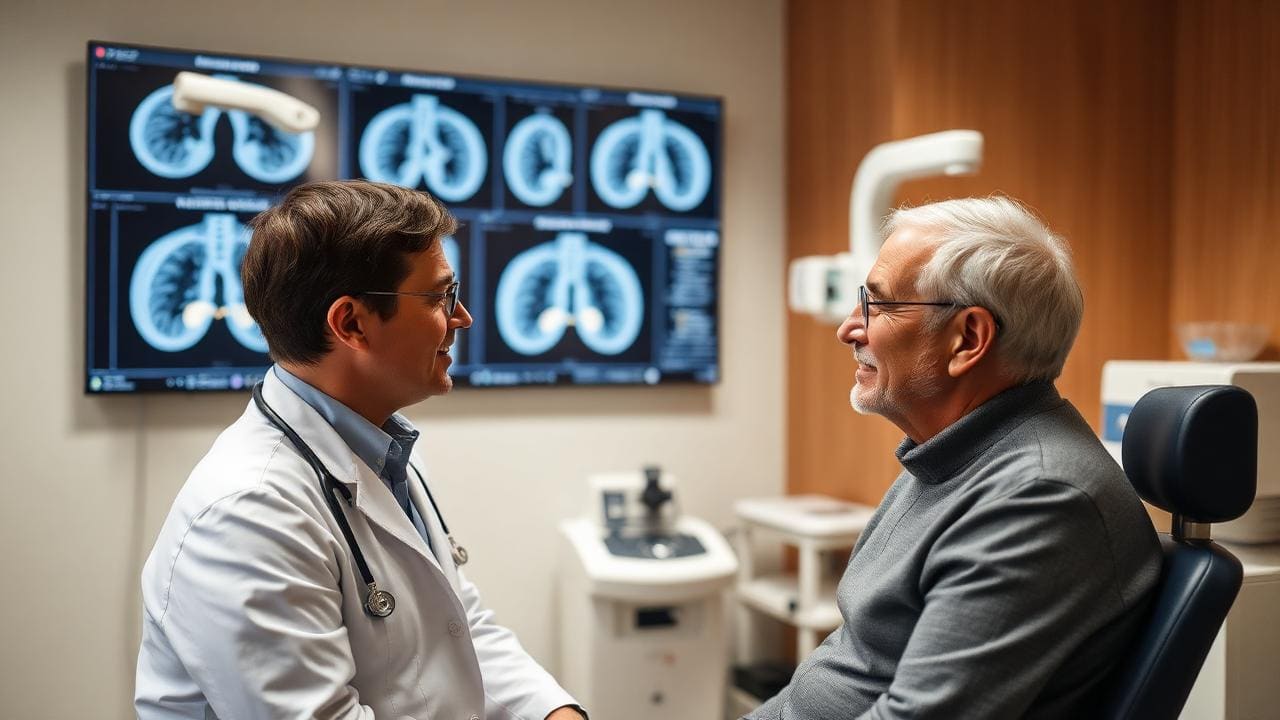
Understanding Chronic Obstructive Pulmonary Disease (COPD)
Chronic obstructive pulmonary disease (COPD) encompasses emphysema and chronic bronchitis — progressive lung conditions characterized by irreversible airflow limitation, chronic pulmonary inflammation, and progressive destruction of lung parenchyma. Affecting over 380 million people worldwide, COPD is the third leading cause of death globally and remains one of the most significant unmet medical needs in respiratory medicine.
The disease is driven by a complex cascade of pathological processes: chronic neutrophilic and macrophage-mediated inflammation, protease-antiprotease imbalance destroying alveolar walls, oxidative stress from reactive oxygen species (ROS), mucus hypersecretion, and small airway fibrosis. These mechanisms collectively lead to progressive loss of gas exchange surface area, air trapping, and declining respiratory function measured by FEV1.
Conventional management — bronchodilators, inhaled corticosteroids, phosphodiesterase-4 inhibitors, pulmonary rehabilitation, and supplemental oxygen — helps manage symptoms but does not reverse underlying lung tissue damage or halt the inflammatory cascade. This limitation drives growing international interest in regenerative approaches for COPD, including mesenchymal stem cell therapy and exosome therapy.
Common Symptoms and Progression of COPD
COPD progresses through stages classified by the GOLD (Global Initiative for Obstructive Lung Disease) criteria, based primarily on spirometric severity (FEV1) and symptom burden. Understanding disease progression helps patients and physicians identify the optimal window for regenerative evaluation.
Progressive Breathlessness
Dyspnea that worsens over time — initially during exertion, eventually at rest. Driven by airflow obstruction, hyperinflation, and reduced gas exchange efficiency.
Chronic Cough & Sputum
Persistent productive cough reflecting chronic bronchial inflammation, goblet cell hyperplasia, and mucus hypersecretion in damaged airways.
Exercise Intolerance
Reduced exercise capacity due to ventilatory limitation, dynamic hyperinflation, gas trapping, and peripheral muscle deconditioning.
Acute Exacerbations
Sudden worsening episodes triggered by infections or environmental irritants — each exacerbation accelerates lung function decline and increases mortality risk.
Systemic Effects
COPD extends beyond the lungs: skeletal muscle wasting, cardiovascular comorbidities, osteoporosis, depression, and metabolic syndrome are common.
Pulmonary Hypertension
Progressive pulmonary vascular remodeling leading to right heart strain — a significant complication in advanced COPD and emphysema.
Why COPD Patients Explore Regenerative Medicine
Despite decades of pharmaceutical development, conventional COPD treatment remains fundamentally limited: no existing therapy reverses structural lung damage or restores destroyed alveolar tissue. Bronchodilators improve airflow but don't address the underlying inflammatory destruction. Inhaled corticosteroids reduce exacerbation frequency but carry side effects including pneumonia risk.
This therapeutic ceiling drives patients — particularly those with moderate-to-severe disease not adequately managed by conventional therapy — to explore mesenchymal stem cell therapy as a complementary regenerative strategy. The biological rationale centers on MSCs' ability to modulate the chronic inflammatory cascade driving COPD progression while potentially supporting pulmonary tissue repair processes.
International patients from the United States, United Kingdom, and Europe increasingly choose Istanbul for COPD regenerative programs due to world-class medical infrastructure, specialized pulmonology expertise, and treatment costs 50–70% lower than Western alternatives.
Living with COPD or Emphysema?
Submit your pulmonary function tests (spirometry, DLCO) and chest CT scans for a complimentary evaluation by our regenerative pulmonary medicine team in Istanbul.
How Stem Cells May Support Lung Repair in COPD
Wharton's Jelly–derived mesenchymal stem cells (WJ-MSCs) demonstrate several biological properties directly relevant to the pathology of COPD. When delivered intravenously, MSCs naturally concentrate in pulmonary vasculature through the pulmonary first-pass effect, maximizing their therapeutic potential in lung tissue.
Potential biological mechanisms
- Anti-inflammatory modulation reducing chronic neutrophilic and macrophage-driven pulmonary inflammation
- Secretion of hepatocyte growth factor (HGF) and keratinocyte growth factor (KGF) supporting alveolar epithelial repair
- Immunomodulation of macrophage polarization from pro-inflammatory (M1) to reparative (M2) phenotypes
- VEGF secretion supporting pulmonary vascular repair and reducing pulmonary hypertension
- Paracrine protection of remaining alveolar epithelial cells from oxidative stress damage
- Modulation of MMP/TIMP balance to reduce further extracellular matrix destruction
- Suppression of pro-inflammatory cytokines (TNF-α, IL-8, IL-6) driving chronic airway inflammation
- Secretion of anti-inflammatory IL-10 and TGF-β creating a reparative microenvironment
These mechanisms complement rather than replace conventional pulmonary care. Patients continue all prescribed medications including bronchodilators, inhaled corticosteroids, and supplemental oxygen as directed by their pulmonologist.
Exosome Therapy for COPD and Emphysema
Exosome therapy delivers concentrated nano-vesicles (30–150 nm) containing anti-inflammatory microRNAs, growth factors, and bioactive proteins. For COPD patients, exosomes offer a unique advantage: nebulized delivery can target the pulmonary epithelium directly, bypassing systemic circulation for enhanced local effects.
Exosomes carry cargo including miR-146a (NF-κB pathway inhibition), miR-21 (anti-apoptotic signaling), HGF, KGF, and angiopoietin-1 — all relevant to alveolar repair and anti-inflammatory modulation. When combined with IV MSC administration, exosome therapy creates a multi-targeted approach addressing both systemic and local pulmonary inflammation in COPD.
Nebulized Pulmonary Delivery
Direct inhalation delivery targets alveolar epithelium and bronchial tissue for maximum pulmonary concentration.
Anti-Inflammatory Cargo
Concentrated microRNAs and cytokines modulate NF-κB inflammatory pathways driving COPD progression.
Alveolar Repair Support
HGF and KGF cargo supports alveolar type II epithelial cell repair and surfactant production.
Synergy with MSC Therapy
Exosomes complement IV MSC infusion — targeting local pulmonary and systemic inflammation simultaneously.
Administration Routes for Pulmonary Conditions
COPD treatment protocols leverage multiple delivery methods to maximize therapeutic reach across both the pulmonary and systemic compartments of the disease.
Intravenous (IV) MSC Infusion
The primary delivery route for COPD. IV-administered MSCs naturally concentrate in the pulmonary vasculature through first-pass kinetics, providing direct access to inflamed lung tissue. This route delivers broad systemic anti-inflammatory and immunomodulatory effects throughout the body.
Nebulized Exosome Delivery
A complementary route that delivers MSC-derived exosomes directly to the airways and alveolar surface via inhalation. This non-invasive method targets the pulmonary epithelium for enhanced local anti-inflammatory and reparative effects.
Combined Protocol
Many advanced COPD protocols combine IV MSC infusion with nebulized exosome delivery for synergistic systemic and local pulmonary targeting. The combined approach may provide more comprehensive coverage of the inflammatory cascades driving COPD.
Who May Be a Candidate for COPD Stem Cell Therapy
Candidacy for COPD regenerative therapy depends on multiple clinical factors. Our pulmonary medicine team evaluates each patient individually based on disease severity, progression trajectory, and overall health status.
Evaluation criteria include:
- Confirmed COPD diagnosis with documented pulmonary function testing (spirometry, DLCO)
- GOLD stage II–III with residual lung function (FEV1 typically above 30% predicted)
- Patients not adequately managed by conventional bronchodilator and corticosteroid therapy
- Stable respiratory status — not during acute exacerbation or active infection
- No active malignancy, uncontrolled cardiac disease, or acute respiratory failure
- Medical fitness for international travel to Istanbul
- Realistic expectations about supportive (non-curative) treatment goals
- Emphysema patients with documented CT evidence of parenchymal destruction
Your COPD Treatment Journey in Istanbul
Our international patient team coordinates every aspect of your COPD treatment visit to Istanbul, from initial medical record review through long-term remote follow-up.
Remote Pulmonary Review
Submit spirometry results, chest CT scans, 6-minute walk test data, medication list, and medical history. Our pulmonary team evaluates candidacy and designs a preliminary treatment protocol.
Arrival & Comprehensive Assessment
Airport VIP transfer and hotel accommodation. On-site pulmonary function testing, blood work, inflammatory marker assessment (CRP, IL-6), and final protocol customization.
MSC & Exosome Administration
IV mesenchymal stem cell infusion leveraging pulmonary first-pass targeting. Nebulized exosome sessions for direct airway delivery. 2–4 treatment days based on protocol complexity.
Post-Treatment Monitoring
24–48 hour post-treatment observation. Repeat spirometry, oxygen saturation monitoring, and personalized pulmonary rehabilitation guidance before departure.
Structured Remote Follow-Up
Pulmonary progress monitoring at 1, 3, 6, and 12 months via video consultation. Spirometry tracking, symptom assessment, SGRQ quality of life scores, and exercise tolerance evaluation.
Why International COPD Patients Choose Istanbul
Istanbul has emerged as a leading destination for regenerative pulmonary medicine, combining world-class medical infrastructure with comprehensive international patient support.
Related Conditions & Treatments
Explore other conditions treated with regenerative medicine at our Istanbul clinic:
Learn about MSC therapy protocols
Nano-vesicle regenerative treatments
Immunomodulatory MSC protocols
Cardiovascular regenerative support
Renal regenerative medicine
Chronic pain and fatigue support
Complete treatment overview
Free personalized assessment
Important Medical Disclaimer
Stem cell therapy for COPD is an evolving field of regenerative medicine. This information is for educational purposes and does not constitute medical advice. Results vary significantly — no outcomes are guaranteed. MSC therapy should not replace prescribed pulmonary medications, pulmonary rehabilitation, or standard respiratory care. All treatment decisions require thorough physician evaluation. COPD patients should maintain regular follow-up with their pulmonologist. Contact us with any questions about our approach to COPD regenerative medicine.