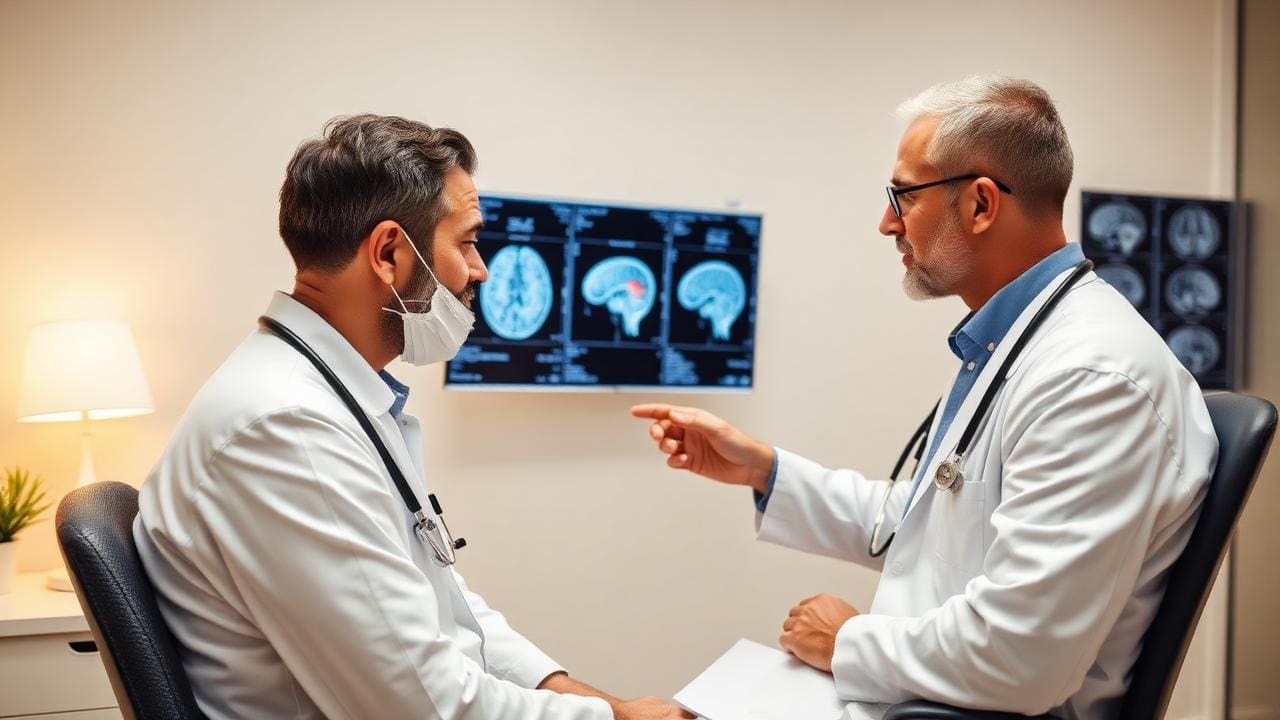
Understanding Multiple Sclerosis
Multiple sclerosis (MS) is a chronic autoimmune neurological disease in which the immune system attacks myelin, the protective covering surrounding nerve fibers in the central nervous system. When myelin becomes inflamed or damaged, nerve signaling slows down or becomes disrupted, producing symptoms that can range from mild sensory disturbance to severe mobility impairment.
MS may present as relapsing-remitting MS (RRMS), secondary progressive MS (SPMS), or primary progressive MS (PPMS). Disease-modifying therapies remain central to conventional management, but they do not fully reverse established neurological injury. This is why many patients begin exploring mesenchymal stem cell therapy and exosome therapy as complementary regenerative strategies.
The Biology Behind MS: Why Patients Explore Regenerative Medicine
MS is not just a problem of damaged nerves. It is an immune-driven inflammatory process involving autoreactive T cells, B cells, cytokines, microglial activation, blood-brain barrier disruption, and progressive stress on axons and oligodendrocytes. In many patients, the immune system remains the main engine driving injury, even as disability gradually accumulates.
That is why interest in stem cell therapy for multiple sclerosis continues to grow. Patients are not only looking for symptomatic support. They are looking for strategies that may help regulate immune behavior, reduce neuroinflammatory activity, support a healthier CNS environment, and potentially improve neurological stability alongside formal neurological care.
Common Challenges MS Patients Face
Patients searching for MS stem cell therapy in Turkey often struggle with a combination of inflammatory, neurological, and functional issues:
Relapses and Inflammation
Many MS patients experience flare-like inflammatory episodes that can create new neurological symptoms or worsen existing deficits.
Mobility and Spasticity
Weakness, spasticity, gait instability, and coordination problems can interfere with walking, endurance, and independence.
Fatigue and Brain Fog
MS-related fatigue can be severe and disproportionate, often paired with reduced mental clarity, slower processing, and cognitive strain.
Bladder, Sensory, and Daily Function
Bladder urgency, numbness, neuropathic discomfort, balance issues, and visual symptoms can all reduce quality of life.
How Stem Cells May Support MS Treatment Goals
Wharton's Jelly mesenchymal stem cells (WJ-MSCs) are studied in MS because they may influence multiple disease-relevant pathways at the same time. Rather than acting like a narrow single-target medication, they are explored for broad immunomodulatory and neuro-supportive effects.
- Immunomodulation of autoreactive T cells and B cells involved in myelin injury
- Suppression of pro-inflammatory cytokines such as IL-17, TNF-alpha, and IFN-gamma
- Promotion of regulatory T-cell activity that may support immune tolerance
- Secretion of neurotrophic factors including BDNF, NGF, and GDNF
- Support for oligodendrocyte precursor cell signaling and remyelination-oriented pathways
- Microglial polarization away from inflammatory phenotypes toward more neuroprotective signaling
- Blood-brain barrier support through anti-inflammatory and endothelial stabilizing effects
- Neuroprotective signaling aimed at reducing secondary axonal stress in active disease states
Immune Modulation
Because MS is immune-mediated, one of the biggest reasons patients explore MSC therapy is its potential role in modulating autoreactive immune behavior. This includes interest in reducing inflammatory cascades, improving immune tolerance signaling, and supporting a less aggressive CNS inflammatory environment.
Neuroinflammation Reduction
Chronic CNS inflammation can worsen demyelination and create a hostile environment for neuronal tissue. MSC-based therapy is explored for anti-inflammatory signaling that may help calm this environment and reduce the intensity of inflammatory damage.
Myelin and Neuronal Support
MS patients are often interested in strategies that may support oligodendrocyte pathways, myelin-preservation mechanisms, and broader neuroprotective signaling. This is particularly relevant in patients concerned about progression, lesion accumulation, and long-term functional decline.
Exosome Therapy for Multiple Sclerosis
Exosome therapy is often discussed as an adjunctive part of regenerative MS protocols. Exosomes are nano-sized extracellular vesicles that may carry anti-inflammatory microRNAs, growth factors, and signaling proteins that interact with the neurological immune environment.
In MS, exosome therapy is explored because these vesicles may support CNS-targeted anti-inflammatory communication, microglial regulation, and neurotrophic signaling. Intranasal delivery is especially attractive for some patients because it offers a non-invasive route aimed at central nervous system access.
Diagnosed with Multiple Sclerosis?
Submit your brain and spine MRI, EDSS score, relapse history, current disease-modifying treatment, and neurologist reports for a personalized case review.
Why MS Patients Explore Regenerative Therapy
Not every patient is searching for the same outcome. Some are focused on inflammatory stabilization. Others are more concerned about progressive decline, fatigue, mobility, or quality of life. Common motivations include:
Immune Modulation Goals
Stem cell therapy is studied because MS is fundamentally an immune-mediated disease, not just a structural one.
Neuroinflammation Reduction
Ongoing CNS inflammation is a major target in regenerative MS protocols, especially when disease activity remains clinically important.
Myelin and Tissue Support
Patients often explore treatment in hopes of supporting a healthier environment for myelin preservation and neurological stability.
Broader Functional Goals
Many patients are seeking support for fatigue, mobility, balance, cognition, bladder symptoms, and progression-related decline.
Who May Be Eligible for MS Stem Cell Therapy in Turkey
Eligibility for multiple sclerosis treatment in Istanbul depends on the full neurological picture, not just the diagnosis label:
- Patients with RRMS, SPMS, or PPMS seeking regenerative support alongside conventional neurological care
- Patients with MRI evidence of demyelinating disease and documented neurological follow-up
- Patients looking for support with inflammation-related symptoms, relapse burden, fatigue, mobility decline, or progression concerns
- Patients whose current DMT plan, recent relapse history, and overall stability make treatment review medically reasonable
- International patients able to provide MRI scans, EDSS data if available, medication history, and neurologist documentation
Final candidacy depends on MRI findings, relapse pattern, MS subtype, disability level, infection risk, medication status, and overall safety assessment.
Your MS Treatment Journey in Istanbul
- 1
Neurological Record Review
Submit brain and spine MRI scans, EDSS score if available, relapse history, symptom profile, and current disease-modifying therapies for candidacy review.
- 2
Personalized Protocol Design
If appropriate, a tailored treatment outline is prepared based on disease pattern, route selection, timing, and realistic expectations.
- 3
Treatment in Istanbul
Protocols may include IV stem cell therapy, intrathecal administration, and selected exosome support depending on the case.
- 4
Structured Follow-Up
Follow-up may include neurological reassessment, symptom tracking, MRI comparison over time, and review of progression-related outcomes.
Why International Patients Choose Istanbul
Patients seeking MS stem cell therapy in Turkey usually want a combination of neurological case review, regenerative medicine access, international travel support, and a better private treatment cost structure.
International Neurology Access
Istanbul offers strong private healthcare access for international patients seeking regenerative and neuroimmunology-oriented treatment options.
Advanced Regenerative Focus
Our programs combine MSC-based immune modulation with exosome-based neuroinflammatory support in a structured treatment pathway.
Case-by-Case Neurological Review
MS patients need individualized screening based on MRI activity, relapse history, EDSS level, DMT status, and disease subtype.
Cost Advantage
Turkey often offers a major cost advantage versus comparable private regenerative medicine programs in the US and UK.
Frequently Asked Questions About MS Stem Cell Therapy
Medical Disclaimer
Stem cell therapy for multiple sclerosis is investigational. Results vary significantly. Treatment does not replace neurologist care, MRI monitoring, or disease-modifying therapies when medically indicated.