Stem Cell Therapy for Knees
A single ultrasound-guided Wharton's Jelly MSC injection delivers anti-inflammatory, chondroprotective, and paracrine signaling support directly into the knee joint — outpatient, no surgery, 12–24 month durability for the right candidate.
What Is Stem Cell Therapy for Knees?
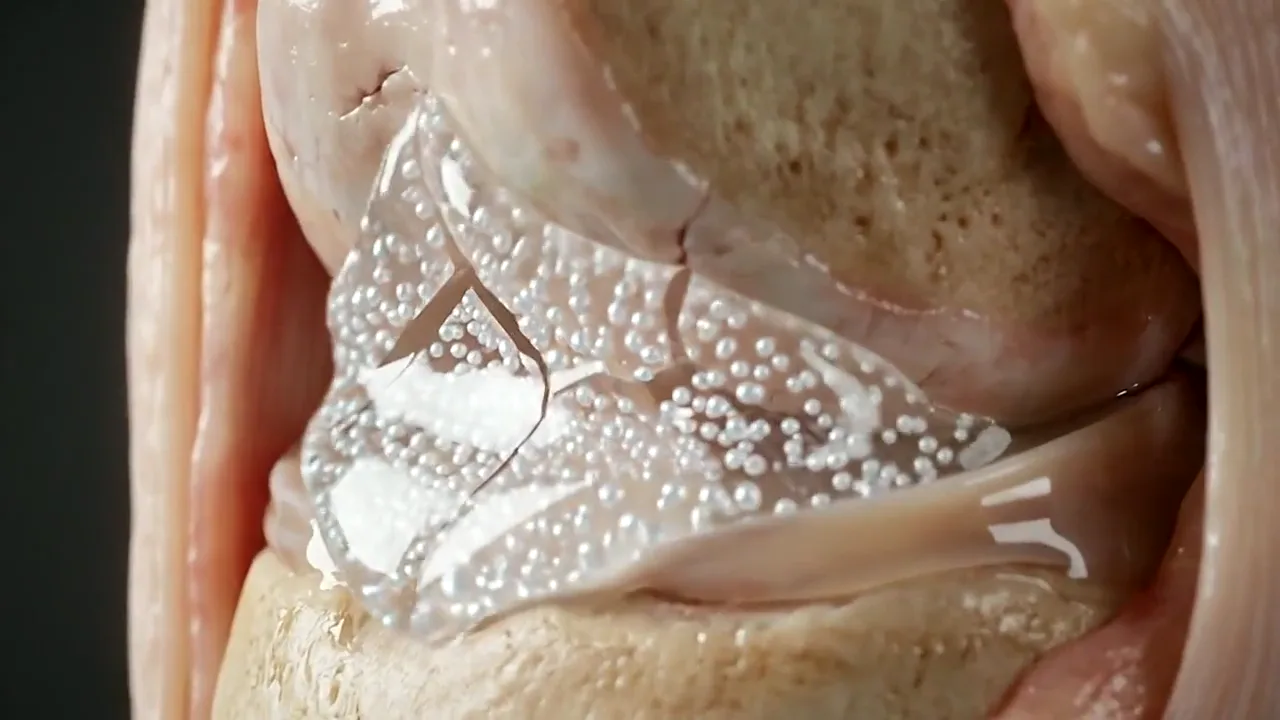
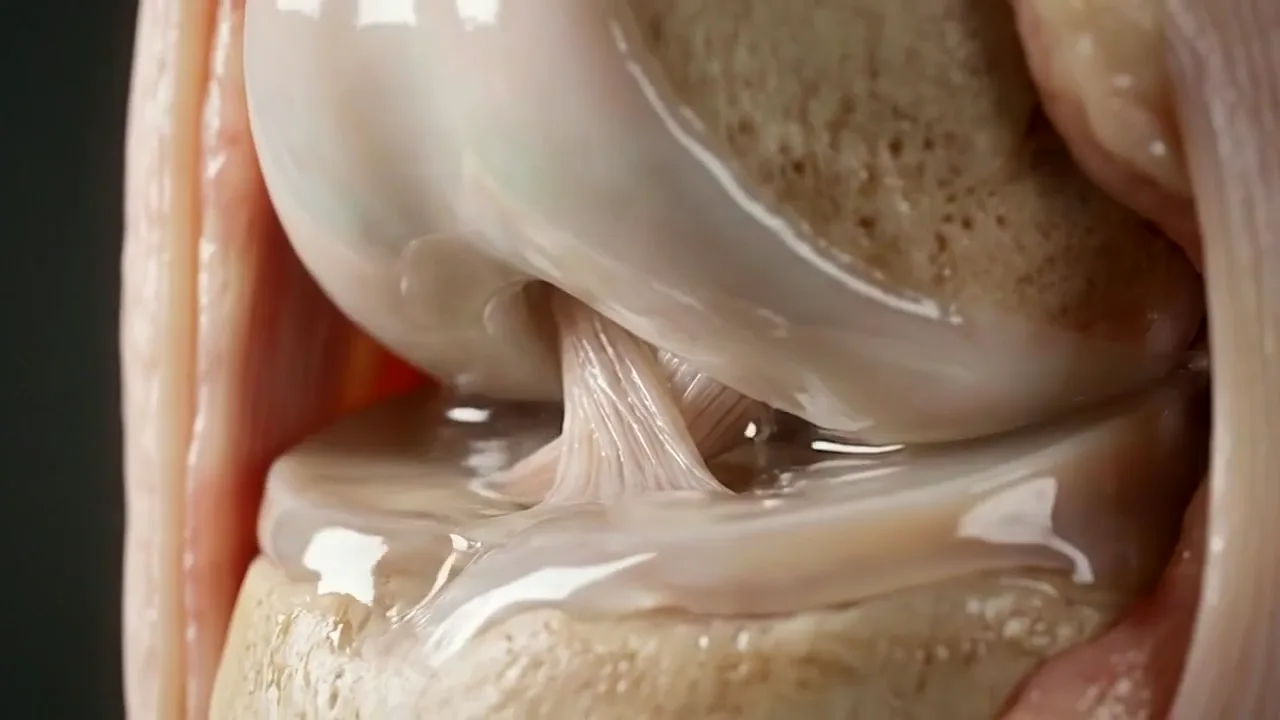
Stem cell therapy for knees uses mesenchymal stem cells (MSCs) — most commonly sourced from Wharton's jelly of the umbilical cord — injected directly into the knee joint to reduce inflammation, slow cartilage degradation, and support the residual chondrocyte population. Unlike a corticosteroid injection (which suppresses inflammation temporarily) or hyaluronic acid lubrication (which improves glide but not biology), MSC therapy is a biological intervention aimed at modulating the disease process itself.
The therapeutic effect is driven primarily by paracrine signaling: injected MSCs release a sustained cocktail of anti-inflammatory cytokines (IL-10, TGF-β, IDO, PGE2), growth factors (TGF-β1, IGF-1, BMP-2), and exosomes that locally dampen synovial inflammation, support cartilage matrix turnover, and shift the joint environment from catabolic toward anabolic. Engraftment is minor; signaling is the mechanism.
At TurkeyStemcell our knee protocol uses GMP-characterized Wharton's Jelly MSCs (viability ≥90%, full CD marker identity, sterility, endotoxin, and mycoplasma testing on every batch). Injection is performed under ultrasound guidance by a specialist physician.
How Stem Cell Therapy Helps the Knee
Targeted intra-articular delivery
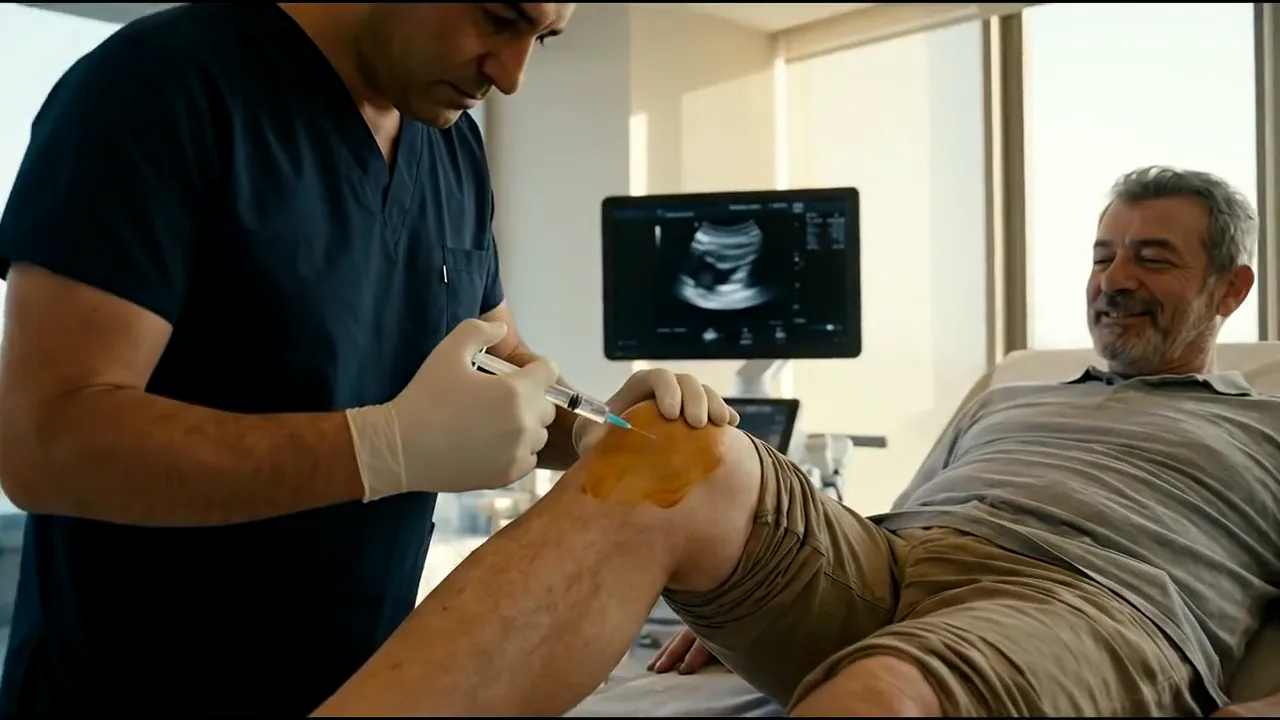
Wharton's Jelly MSCs are injected directly into the joint capsule under ultrasound guidance, placing cells where cartilage repair signaling is needed.
Anti-inflammatory cytokine output
MSCs secrete IL-10, TGF-β, and IDO, which dampen the synovial inflammation that drives knee pain in osteoarthritis.
Chondroprotective paracrine support
Exosome and growth factor release supports residual chondrocytes and slows further cartilage degradation in early- to mid-stage osteoarthritis.
Outpatient, no surgery, no incision
The full procedure is completed in a single morning visit. No general anaesthesia, no hospital stay, no rehab confinement.
Durability of 12–24 months in most patients
Peer-reviewed cohorts report sustained pain reduction and WOMAC score improvement at 12 and 24 months after a single Wharton's Jelly MSC injection.
Defers or avoids total knee replacement
Many patients use stem cell therapy to push back the need for knee replacement surgery, especially in the 45–65 age range with grade II–III osteoarthritis.
Who Is a Good Candidate?
Stem cell therapy for knees works best when there is still cartilage and joint architecture to protect. The strongest responders share these characteristics:
- Grade II or grade III osteoarthritis on Kellgren–Lawrence imaging (preserved joint space, intact menisci).
- Persistent inflammatory pain not controlled by NSAIDs, physical therapy, or corticosteroid/hyaluronic injections.
- Active patients aged 45–70 who want to defer knee replacement surgery and remain functional in sport, hiking, or daily activities.
- Sports cartilage injuries (chondral defects, meniscal damage) where biological support may augment recovery.
- Post-arthroscopy support to reduce post-surgical inflammation and accelerate functional recovery.
We will tell you honestly if your imaging suggests realistic benefit. Grade IV bone-on-bone disease can still receive symptomatic improvement, but cartilage regeneration is not a realistic goal at that stage.
The Treatment Process at TurkeyStemcell
- 1. Medical record & MRI review (remote, free). We assess your imaging and clinical history and tell you whether you're a realistic candidate before you book travel.
- 2. Arrival & in-person consultation. A specialist orthopaedic physician reviews your case, confirms the protocol, and discusses realistic outcomes.
- 3. Cell preparation. Your GMP-characterized Wharton's Jelly MSC dose is prepared and quality-checked the morning of treatment.
- 4. Ultrasound-guided intra-articular injection. The 5–10 minute procedure is performed under local anaesthesia in our procedure suite.
- 5. Recovery & discharge. 30–60 minutes of post-procedure monitoring, then home or hotel the same day. Most patients fly home within 24 hours.
- 6. Structured remote follow-up. Outcome tracking at 1, 3, 6, and 12 months with your case physician.
Safety, Realistic Expectations & Limitations
Allogeneic Wharton's Jelly MSCs have an excellent published safety profile. The cells are immune-privileged (low HLA-II expression), so HLA matching and immunosuppression are not required. The most common side effects are mild and transient: injection-site soreness for 24–48 hours, brief joint warmth, and occasional mild fever in the 24 hours after IV adjuncts.
Realistic expectations matter. Stem cell therapy is not a cure for osteoarthritis and will not regrow a full cartilage layer in end-stage disease. What it reliably delivers for appropriate candidates is meaningful pain reduction, functional improvement, and the ability to defer joint replacement surgery — often for years. We will never promise a result we cannot deliver.
Frequently Asked Questions
Find Out If You're a Candidate for Knee Stem Cell Therapy
Send us your MRI and we'll tell you honestly whether you're likely to benefit — at no cost, before you commit to anything.
Or call directly: +90 534 856 92 92