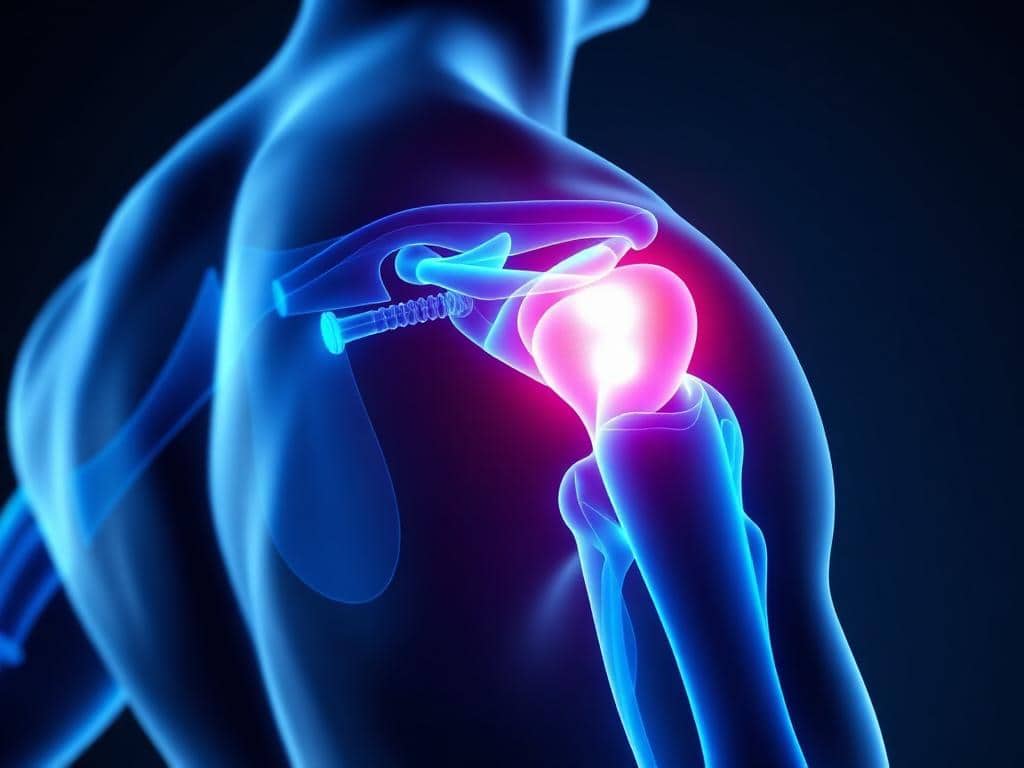
Stem Cell Therapy for Chronic Ankle Sprains and Instability in Istanbul, Turkey
Recurrent ankle sprains and chronic ankle instability can lead to cartilage damage, persistent pain, and reduced confidence in movement. Our Istanbul regenerative medicine programs help international patients explore supportive stem cell and exosome options for ligament recovery and joint stability in Turkey.
How stem cells and exosomes may support the body
TurkeyStemcell approaches ankle sprains with a regenerative medicine strategy focused on patient selection, medical review, and realistic planning in Istanbul, Turkey. Depending on the condition and the wider protocol, supportive goals may include the following:
- support ligament repair signaling and joint stability goals
- help address chronic inflammation from repetitive ankle injury
- complement bracing, physiotherapy, and proprioception training
Who may be a candidate
Our programs are designed for sports medicine patients who want a medically professional consultation before committing to travel. Candidate review may include medical records, imaging, current medications, functional limitations, and broader treatment goals.
- patients with recurrent ankle sprains or chronic instability despite conservative care
- athletes with functional ankle limitations affecting training and competition
- international patients seeking non-surgical regenerative options in Istanbul
Treatment goals
- support ankle stability and ligament recovery
- reduce recurrence of sprains and improve joint confidence
- build a structured recovery plan with Istanbul treatment and home follow-up
Safety, risks, and realistic expectations
At TurkeyStemcell we approach ankle sprains with clinical honesty. Mesenchymal stem cell therapy and exosome therapy are best understood as supportive regenerative options — not guaranteed cures. Even when the underlying biology is promising, outcomes are individual and depend on a combination of factors that we review before accepting any patient for treatment in Istanbul.
Realistic outcomes vary based on the specific diagnosis, severity and chronicity of the condition, the patient's age, the level of underlying inflammation or tissue damage, lifestyle factors, comorbidities, current medications, and overall health. For this reason every candidate is reviewed individually during the medical assessment and consultation stage, and treatment is only recommended when the team believes a meaningful supportive benefit is plausible.
Stem cell and exosome procedures are generally well tolerated, but patients should be aware of the realistic side-effect profile so expectations are set honestly. Depending on the administration route used in the protocol, the following short-term effects may occur:
- Mild local tenderness, soreness, or bruising at an injection or IV site.
- Temporary fatigue or low-grade headache in the 24–72 hours after treatment.
- Short-term symptom fluctuation as the body responds, before any gradual improvement is observed.
- Occasional transient flushing, mild nausea, or low-grade temperature changes.
Serious adverse events are uncommon when treatment is delivered under medical supervision with properly screened cell products, but no medical procedure is risk-free. Regenerative therapy should always be understood as part of a broader care plan — it does not replace emergency care, prescribed medication, physiotherapy, or specialist follow-up where those are clinically necessary. Patients are encouraged to maintain ongoing care with their own physician and to read our patient journey, clinical studies, and FAQ resources before booking, so decisions are made with realistic, well-informed expectations.
It is also important to be transparent about what regenerative medicine cannot do. Stem cell and exosome therapy do not reverse advanced structural damage, do not regrow lost limbs or fully destroyed organs, and do not replace evidence-based interventions such as surgery, dialysis, oncology care, or critical-care medication when those are clearly indicated. Treatment for ankle sprains is offered when the team believes the supportive biological mechanisms — such as modulation of inflammation, immune signalling, and tissue micro-environment — may meaningfully complement the patient's existing care, not when it is being used as a last-resort substitute for proven medicine.
How to prepare before traveling to Istanbul
Patients who are accepted for treatment receive written guidance well before travel so the visit runs smoothly and the medical team has the clinical context it needs. Preparation typically includes gathering recent medical records, imaging, and laboratory results relevant to ankle sprains; sharing a current medication list (including supplements and blood thinners); and confirming any allergies or prior adverse reactions. We recommend arriving well-rested, well-hydrated, and with realistic personal goals discussed in advance with family or your home physician. Logistics such as airport transfers, hotel coordination near the clinic, translation support, and the daily schedule are organised by our international patient team — full details are summarised on our patient journey page and answered in the FAQ.
Follow-up and the gradual response timeline
Regenerative responses are biological, not pharmacological, so improvements (when they occur) tend to develop gradually rather than overnight. Many patients report the first subtle changes — for example reduced inflammatory discomfort, improved sleep, or modestly better function — within the first few weeks, with the more meaningful supportive effects often becoming clearer over a 2–6 month window as the body's repair, anti-inflammatory, and signalling pathways respond. Some patients respond strongly, some respond modestly, and some do not respond as hoped; this honest range is consistent with the published clinical studies and is part of why candidate selection matters so much. After your visit, our team stays in contact for structured follow-up, and we encourage patients to continue their regular care with their home physician throughout the response window. If you would like a personalised assessment of whether treatment is appropriate for your specific situation, the next step is a medical consultation.
International patient journey in Istanbul
- Medical review: Share your records so our team can assess whether treatment in Turkey may be appropriate.
- Consultation and planning: Receive protocol guidance, expected stay information, and travel support details.
- Arrival in Istanbul: We help with airport transfers, hotel coordination, and scheduling.
- Treatment and follow-up: Your visit is structured around medical oversight, recovery guidance, and post-visit follow-up.
Frequently asked questions about ankle sprains
Is ankle instability treatable with stem cells?
Regenerative medicine may support ligament healing signaling and reduce inflammation in chronic instability cases. Candidacy depends on imaging, injury history, and functional assessment.
Do I need an MRI before consultation?
MRI or ultrasound imaging of the ankle is very helpful for candidacy review and treatment planning.
Medical disclaimer
Stem cell therapy and exosome therapy should be understood as medically reviewed regenerative medicine options, not guaranteed cures. Treatment suitability, likely benefit, and risk profile vary by diagnosis, severity, age, comorbidities, and clinical history. Ongoing care with your regular physician remains important.
Related conditions
All condition pages
This site architecture includes 62 dedicated condition landing pages to build topical authority around regenerative medicine in Istanbul and Turkey.
Ready to Explore Your Treatment Options?
Schedule a free, no-obligation consultation with our regenerative medicine specialists. We treat patients from over 40 countries.
Or call directly: +90 534 856 92 92