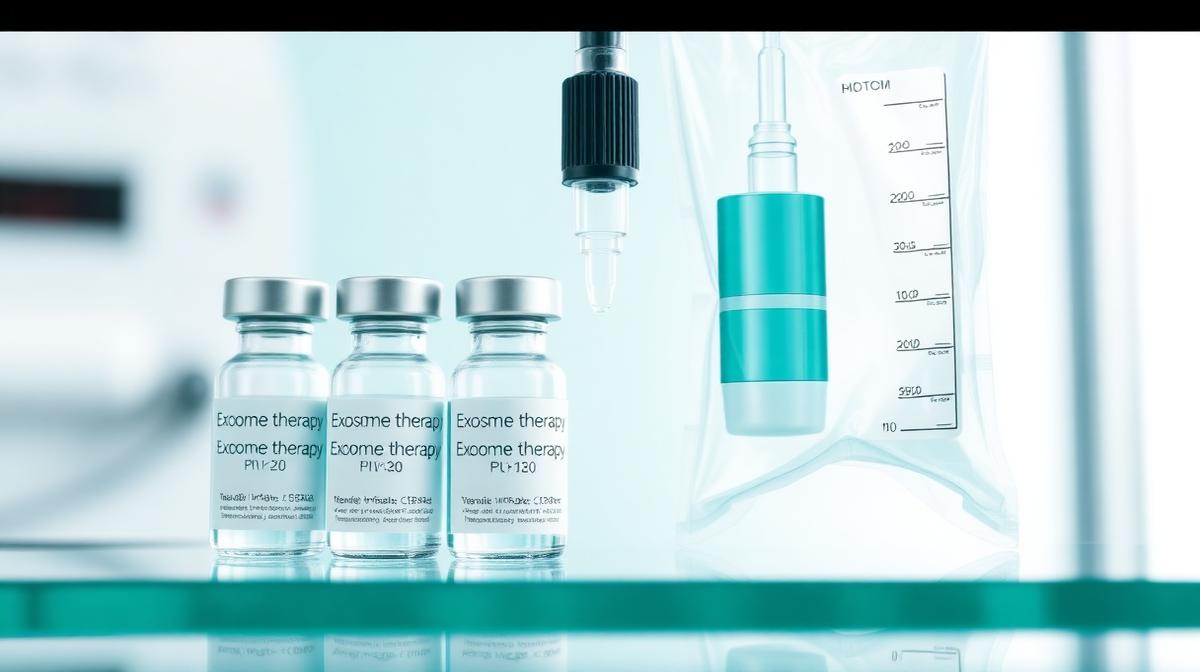
A comprehensive guide to stem cell therapy for arthritis in Istanbul — covering osteoarthritis, rheumatoid arthritis, knee and hip joint degeneration, MSC mechanisms, intra-articular delivery, clinical evidence, and consultation planning for international patients.
How does stem cell therapy work for arthritis?
Stem cell therapy for arthritis uses mesenchymal stem cells (MSCs) to modulate inflammation within the joint, support cartilage repair signaling, reduce pain-driving inflammatory mediators, and improve the biological environment for tissue recovery. MSCs are typically delivered via intra-articular injection directly into the affected joint, where they exert anti-inflammatory, immunomodulatory, and trophic effects through paracrine signaling rather than by simply replacing damaged cartilage.
Arthritis is one of the most common reasons patients worldwide begin researching regenerative medicine. By the time most patients search for stem cell therapy for arthritis, they have already tried conventional approaches — anti-inflammatory medications, corticosteroid injections, physical therapy, lifestyle modifications, and often the difficult conversation about joint replacement surgery. They are looking for something that addresses the biology of their joint disease, not just the symptoms.
That search increasingly leads patients to Istanbul. Turkey has become one of the most active destinations for regenerative orthopedic medicine, offering access to mesenchymal stem cell (MSC) therapy protocols that target inflammation, support cartilage biology, and improve the joint environment — in premium clinical settings at a fraction of the cost patients face in the United States, United Kingdom, or Western Europe.
This guide explains how stem cell therapy is applied to arthritis, what the biological mechanisms involve, how different types of arthritis are approached, what the clinical evidence shows, and how patients from around the world plan their treatment at TurkeyStemcell in Istanbul.
Arthritis Types and Stem Cell Therapy Considerations
| Factor | Osteoarthritis (OA) | Rheumatoid Arthritis (RA) |
|---|---|---|
| Primary cause | Degenerative cartilage wear, mechanical stress, aging | Autoimmune-driven synovial inflammation and joint destruction |
| Key joints affected | Knees, hips, hands, spine — typically asymmetric | Hands, wrists, knees — typically symmetric and bilateral |
| Inflammatory profile | Low-grade chronic inflammation, mechanical irritation | Systemic autoimmune inflammation, elevated TNF-α, IL-6 |
| MSC therapeutic focus | Cartilage support, anti-inflammatory, joint environment improvement | Immune modulation, inflammation suppression, joint protection |
| Delivery route | Intra-articular injection ± IV for systemic support | IV systemic + intra-articular for affected joints |
| Clinical evidence level | Strong — multiple RCTs and meta-analyses published | Growing — encouraging preclinical and early clinical data |
| Patient profile | Adults 45+, athletes, post-injury degeneration | Any age, autoimmune predisposition, systemic disease |
Why Arthritis Patients Turn to Regenerative Medicine
Arthritis is not one disease — it is a category of conditions characterized by joint inflammation, pain, stiffness, and progressive functional decline. Osteoarthritis (OA), the most common form, involves degenerative cartilage loss driven by mechanical wear, aging, and chronic low-grade inflammation. Rheumatoid arthritis (RA) involves autoimmune-driven synovial inflammation that progressively destroys joint architecture.
In both cases, conventional medicine excels at symptom management — pain relief, inflammation suppression, mobility preservation — but struggles with the underlying biological processes that drive disease progression. Anti-inflammatory drugs reduce pain but do not rebuild cartilage. Corticosteroid injections provide temporary relief but may accelerate cartilage degradation with repeated use. Joint replacement surgery is effective but invasive, irreversible, and not appropriate for every patient or every joint.
This gap between symptom management and biological repair is precisely where regenerative medicine enters the conversation. Patients searching for stem cell therapy for arthritis are asking a fundamentally different question: can we influence the biology of the joint itself — the inflammation, the cartilage environment, the repair signaling — rather than simply managing the downstream symptoms?
How Mesenchymal Stem Cells Work in Arthritic Joints
Mesenchymal stem cells (MSCs) exert their therapeutic effects in arthritis primarily through paracrine signaling — the secretion of bioactive molecules that influence the surrounding tissue environment. When MSCs are delivered into an arthritic joint, they do not simply transform into new cartilage cells. Instead, they release a complex mixture of anti-inflammatory cytokines, growth factors, and extracellular vesicles that modulate the joint's biological environment.
The key mechanisms include suppression of pro-inflammatory mediators such as TNF-α, IL-1β, and IL-6 that drive pain and cartilage destruction; upregulation of anti-inflammatory cytokines like IL-10 and TGF-β that promote tissue homeostasis; stimulation of endogenous chondrocyte activity and cartilage matrix production; modulation of synovial macrophage polarization from pro-inflammatory (M1) to reparative (M2) phenotypes; and inhibition of matrix metalloproteinases (MMPs) that degrade cartilage extracellular matrix.
In practical terms, this means MSC therapy aims to shift the joint from a destructive inflammatory state toward a more balanced, repair-supportive environment. The goal is not cartilage regeneration in the sense of growing new tissue — though some evidence suggests modest cartilage volume improvements — but rather slowing degeneration, reducing inflammation-driven pain, and improving functional capacity.
At TurkeyStemcell, we use Wharton's Jelly-derived MSCs for arthritis protocols. These neonatal-source cells offer superior paracrine potency, high anti-inflammatory capacity, and very low immunogenicity compared to adult-derived alternatives — making them particularly well-suited for joint applications.
MSC Mechanisms in Arthritic Joints
Anti-inflammatory cytokine secretion (IL-10, TGF-β) • Pro-inflammatory mediator suppression (TNF-α, IL-1β, IL-6) • Synovial macrophage M1→M2 polarization • MMP inhibition to protect cartilage matrix • Chondrocyte stimulation and ECM support • Angiogenesis modulation for improved joint nutrition • Paracrine-driven tissue environment improvement
Knee Arthritis: The Most Common Presentation
Knee osteoarthritis is by far the most common arthritis presentation we see in our clinic. The knee is particularly vulnerable to degenerative changes because of the mechanical loads it bears, the complexity of its structure (involving articular cartilage, menisci, ligaments, and synovial membrane), and the limited blood supply to cartilage tissue that makes self-repair difficult.
Patients with knee arthritis typically present with progressive pain during weight-bearing activities, stiffness after periods of inactivity, reduced range of motion, crepitus (grinding sensation), and swelling. Many have Kellgren-Lawrence grade II–III disease on imaging — significant enough to cause functional limitation but not yet at the point where total knee replacement is the only remaining option.
This intermediate-severity group represents the most promising population for MSC therapy. The joint still has enough biological substrate to respond to regenerative signaling, the inflammatory environment can be meaningfully modulated, and the patient has the most to gain from a therapy that may delay or avoid surgical intervention.
For knee arthritis, MSCs are typically delivered via direct intra-articular injection under ultrasound guidance, ensuring precise placement within the joint space. Some protocols combine intra-articular delivery with intravenous MSC infusion to address the systemic inflammatory component that often accompanies chronic OA.
Hip, Shoulder, and Other Joint Arthritis
While knee arthritis dominates patient inquiries, stem cell therapy is also discussed for arthritis affecting the hip, shoulder, ankle, wrist, and small joints of the hand. Each joint presents unique anatomical and biological considerations that influence the treatment approach.
Hip arthritis involves degeneration of the femoral head cartilage and acetabular surface, often progressing to significant mobility limitation and referred pain. Intra-articular MSC injection for the hip requires image-guided delivery due to the joint's deep anatomical position. Shoulder arthritis may involve the glenohumeral joint, the acromioclavicular joint, or both, often complicated by rotator cuff pathology.
For patients with polyarticular arthritis — disease affecting multiple joints simultaneously — the treatment approach often includes both targeted intra-articular injections for the most severely affected joints and systemic intravenous MSC delivery to address the broader inflammatory burden. This combination strategy is particularly relevant for patients with rheumatoid arthritis or other autoimmune-driven joint conditions.
The specific protocol for each patient is determined during the consultation, based on imaging findings, symptom distribution, disease severity, and the patient's functional goals.
Rheumatoid Arthritis and Autoimmune Joint Disease
Rheumatoid arthritis presents a fundamentally different biological challenge than osteoarthritis. RA is driven by autoimmune dysregulation — the immune system attacks the synovial membrane, producing chronic inflammation that progressively destroys cartilage, bone, and joint architecture. The inflammatory mediators involved (TNF-α, IL-6, IL-17) are more aggressive, and the disease process is systemic rather than localized.
MSC therapy for rheumatoid arthritis focuses on immune modulation rather than simple anti-inflammatory support. MSCs can suppress autoreactive T-cell proliferation, promote regulatory T-cell development, modulate B-cell activity, and shift the overall immune balance away from the Th1/Th17-driven autoimmune response that characterizes RA.
Patients with RA typically receive intravenous MSC infusion as the primary delivery route, since the disease is systemic. Intra-articular injections may be added for joints with the most severe structural involvement. The treatment is positioned as a complement to — not a replacement for — disease-modifying antirheumatic drugs (DMARDs) and biologic therapies, though some patients report reduced medication dependence after MSC treatment.
The clinical evidence for MSC therapy in RA is earlier-stage than for osteoarthritis, but preclinical data and early clinical trials are encouraging, particularly regarding inflammation markers, pain scores, and functional improvement.
What the Clinical Evidence Shows
Stem cell therapy for arthritis — particularly knee osteoarthritis — has one of the strongest clinical evidence bases in regenerative medicine. Multiple randomized controlled trials (RCTs), systematic reviews, and meta-analyses have been published evaluating MSC injections for OA, with generally favorable findings regarding pain reduction, functional improvement, and cartilage preservation.
Key findings from the published literature include significant reductions in pain scores (VAS and WOMAC) compared to baseline and control groups, improvements in joint function and mobility that are sustained over 12–24 month follow-up periods, MRI evidence suggesting cartilage stabilization or modest volume improvement in some patients, favorable safety profiles with minimal serious adverse events reported, and superior outcomes compared to hyaluronic acid or corticosteroid injections in several head-to-head comparisons.
It is important to note that outcomes vary by patient. Factors that influence response include disease severity (earlier-stage OA tends to respond better), patient age, body weight, activity level, the specific MSC source and dosing used, and whether the protocol includes systemic and local delivery. The clinical studies section of our website provides detailed summaries of relevant research.
At TurkeyStemcell, we share this evidence transparently with patients during the consultation process. We believe informed patients make better decisions — and realistic expectations lead to greater satisfaction with outcomes.
Published Clinical Evidence Highlights
Multiple RCTs showing significant pain reduction (VAS/WOMAC) • 12–24 month sustained functional improvement • MRI evidence of cartilage stabilization in select patients • Favorable safety profile across thousands of treated patients • Superior outcomes vs. hyaluronic acid in comparative studies • Growing evidence base for both OA and RA applications
Living with Arthritis? Explore Your Regenerative Options
Our orthopedic and regenerative medicine team in Istanbul evaluates your joint imaging, diagnosis, medical history, and treatment goals to determine whether MSC therapy may be appropriate for your arthritis. Consultations are free, remote-friendly, and confidential.
Request a Free ConsultationWhy Istanbul Attracts Arthritis Patients from Around the World
Patients from across Europe, the Middle East, North America, and Asia research stem cell therapy for arthritis in Istanbul for several compelling reasons. Turkey offers access to advanced regenerative orthopedic protocols — including Wharton's Jelly MSC therapy with image-guided intra-articular delivery — at costs that are typically 50–70% lower than equivalent care in the United States or Western Europe.
Beyond cost, Istanbul provides a clinical environment that international patients find reassuring: modern facilities, English-speaking medical teams, advanced imaging capabilities, and a culture of hospitality that makes the treatment experience comfortable. The city's international airport connections mean patients from London, Dubai, New York, Frankfurt, or Riyadh can reach Istanbul with a single direct flight.
Many arthritis patients also value the ability to combine treatment with a recovery period in a culturally rich, comfortable environment. Istanbul offers world-class accommodation, cuisine, and a climate that supports post-treatment mobility and gentle rehabilitation.
For patients comparing arthritis treatment options internationally, our clinic provides a transparent process: free consultation, detailed protocol explanation, clear pricing, and no pressure to proceed. That combination of medical quality, accessibility, and patient-centered planning is what brings arthritis patients to Istanbul from over 40 countries.
The Delivery Process: What Treatment Day Looks Like
For most arthritis patients, treatment day at TurkeyStemcell involves a focused, well-organized clinical experience. The process typically begins with a pre-treatment assessment — reviewing imaging, confirming the treatment plan, and addressing any final questions. Blood work may be taken if not already completed.
For knee, hip, or shoulder arthritis, the primary intervention is an intra-articular MSC injection performed under ultrasound guidance. This ensures precise cell delivery into the joint space, maximizing therapeutic contact with the inflamed synovium and damaged cartilage surface. The procedure takes approximately 20–30 minutes per joint and is performed under local anesthesia — no general anesthesia or hospitalization is required.
Patients receiving a combined protocol may also receive intravenous MSC infusion for systemic anti-inflammatory support, and in some cases, exosome therapy to extend and amplify the regenerative signaling. The total treatment session typically lasts 2–4 hours, after which patients return to their accommodation.
Post-treatment guidance includes activity recommendations, gentle mobilization protocols, and a follow-up schedule. Most patients can walk and move normally the same day, with gradual activity progression over the following weeks.
Who Is a Good Candidate for Arthritis Stem Cell Therapy
Not every arthritis patient is an ideal candidate for MSC therapy, and part of the consultation's value is providing an honest candidacy assessment. Generally, the best candidates are patients with moderate-severity arthritis (Kellgren-Lawrence grade II–III for OA) who still have meaningful cartilage substrate, patients who have tried and been dissatisfied with conventional treatments, patients who want to delay or avoid joint replacement surgery, and patients whose pain and functional limitation significantly impact quality of life.
Patients with very advanced arthritis (grade IV with bone-on-bone contact and significant structural deformity) may still benefit from MSC therapy for inflammation reduction and pain management, but expectations regarding cartilage regeneration should be adjusted accordingly. In some cases, the medical team may recommend a combined approach or suggest that surgical options be considered alongside regenerative support.
Patients with autoimmune arthritis (RA, psoriatic arthritis, ankylosing spondylitis) are evaluated based on their disease activity, current medications, and overall immune profile. The treatment approach differs significantly from degenerative OA, and the protocol is tailored accordingly.
Age is not an automatic disqualifier. We regularly treat patients from their 40s to their 80s. The key factors are biological joint status, overall health, and realistic expectations — all of which are carefully evaluated during the consultation process.
Planning Your Consultation and Next Steps
If you are living with arthritis and want to understand whether stem cell therapy may be relevant to your situation, the first step is a consultation with our regenerative medicine team. The consultation is complimentary, confidential, and can be conducted entirely remotely for international patients.
During the consultation, the medical team reviews your imaging (X-rays, MRI), medical history, current medications, previous treatments, and functional goals. Based on this information, they provide an honest assessment of candidacy, a proposed treatment protocol, a clear cost estimate, and guidance on travel planning and expected stay duration.
Most arthritis patients plan a 3–5 day visit to Istanbul, which includes the consultation confirmation, treatment day, and initial post-treatment monitoring. The patient journey page provides additional detail on what the experience looks like from start to finish.
To begin, request a free consultation or reach out via WhatsApp for an informal initial conversation. Our team responds to all inquiries within 24 hours.
What to Bring to Your Consultation
Recent joint X-rays or MRI (within 6–12 months) • List of current medications and supplements • Summary of previous treatments and their results • Description of pain patterns and functional limitations • Specific questions about the procedure and recovery • Travel preferences and timing flexibility
Frequently Asked Questions
What types of arthritis can be treated with stem cell therapy?
Stem cell therapy is most commonly discussed for osteoarthritis (degenerative joint disease) and rheumatoid arthritis (autoimmune joint inflammation). It is also explored for psoriatic arthritis, ankylosing spondylitis, and post-traumatic arthritis. The specific protocol and delivery approach differs depending on the type and severity of arthritis.
How are stem cells delivered for knee arthritis?
For knee arthritis, mesenchymal stem cells are typically delivered via ultrasound-guided intra-articular injection directly into the knee joint space. This ensures precise placement for maximum contact with the inflamed synovium and damaged cartilage. Some protocols add intravenous MSC infusion for systemic anti-inflammatory support.
Is stem cell therapy a replacement for knee replacement surgery?
Stem cell therapy is not positioned as a direct replacement for joint replacement surgery. It is most appropriate for patients with moderate-severity arthritis who want to delay or potentially avoid surgery, or for patients who are not suitable surgical candidates. For very advanced disease, MSC therapy may still help with pain and inflammation but is unlikely to eliminate the need for eventual surgical intervention.
How long do the results of stem cell therapy for arthritis last?
Published clinical studies report sustained improvements in pain and function over 12–24 months following MSC injection. Some patients experience benefits lasting several years. The duration of response depends on disease severity, the patient's activity level, body weight, and overall joint health. Some patients choose to repeat treatment after 1–2 years.
What is the difference between stem cells and cortisone for arthritis?
Cortisone (corticosteroid) injections provide temporary anti-inflammatory relief — typically lasting weeks to months — but do not address the underlying biology and may accelerate cartilage degradation with repeated use. MSC therapy aims to modulate the joint's inflammatory environment, support cartilage biology, and create conditions for tissue recovery — a fundamentally different approach.
Why do arthritis patients travel to Istanbul for treatment?
Istanbul offers access to advanced MSC therapy protocols with Wharton's Jelly-derived stem cells at costs 50–70% lower than the US or UK. The city provides modern clinical facilities, English-speaking medical teams, international travel convenience, and a patient-centered approach that makes medical travel practical and comfortable.
Can both knees be treated in the same session?
Yes. Many patients with bilateral knee arthritis receive intra-articular MSC injections in both knees during the same treatment session. The protocol is adjusted accordingly in terms of total cell count and delivery planning. This is discussed and planned during the consultation.
Is the procedure painful?
The intra-articular injection is performed under local anesthesia and ultrasound guidance. Most patients describe mild discomfort during the injection itself, comparable to a standard joint injection. No general anesthesia or hospitalization is required. Patients typically walk out of the clinic the same day.
What should I bring to my arthritis consultation?
Recent joint imaging (X-rays or MRI within 6–12 months), a list of current medications, a summary of previous treatments and their effectiveness, a description of your pain patterns and functional limitations, and any specific questions about the procedure, recovery, or travel logistics.
How soon after treatment can I fly home?
Most arthritis patients can fly within 24–48 hours after intra-articular MSC injection. We recommend planning a 3–5 day stay in Istanbul to allow for pre-treatment preparation, the treatment itself, and initial recovery. Specific guidance is provided based on your protocol and travel distance.
Continue exploring
Explore our treatment programs
Move from reading into the treatment pages that describe protocols, indications, and patient pathways.
Stem Cell Therapy
Wharton's Jelly mesenchymal stem cell therapy — protocols, dosing, and clinical applications.
Visit pageExosome Therapy
Cell-free regenerative signaling for orthopedic, neurological, and aesthetic indications.
Visit pageAll Treatments
Browse the full catalog of regenerative programs, IV vitality, and supportive therapies.
Visit pageAnti-Aging & Longevity
Tiered 1-day longevity programs combining stem cells, exosomes, and IV protocols.
Visit pageExplore Related Pages
Continue into condition pages, science content, and consultation resources that support this topic.
Topical tags
Written by
TurkeyStemcell Editorial Team
Medically reviewed by
Uzm. Dr. Cihan Bolat, MD