
Wharton's Jelly Stem Cell Therapy in Turkey
The most potent and ethically sourced mesenchymal stem cells in clinical use today — collected from umbilical cord tissue, GMP-processed, and delivered at our regenerative medicine clinic in Istanbul.
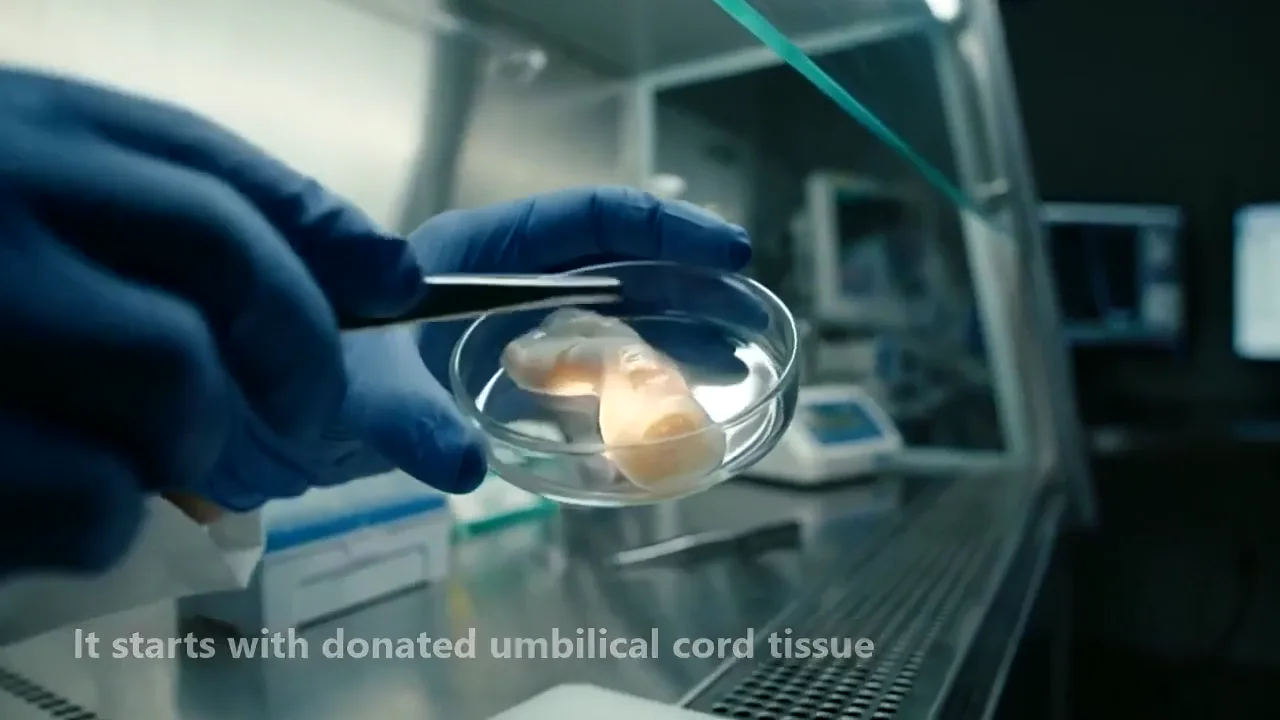
What Are Wharton's Jelly Stem Cells?
Wharton's jelly is the gelatinous connective tissue that surrounds the blood vessels of the umbilical cord. It contains a remarkably rich population of mesenchymal stem cells (MSCs) — adult stromal cells capable of differentiating into bone, cartilage, muscle, and fat lineages and, more importantly for clinical use, releasing powerful paracrine signaling molecules that modulate inflammation, support tissue repair, and regulate the immune system.
Because Wharton's jelly MSCs (WJ-MSCs) are neonatal, they retain longer telomeres, stronger proliferative capacity, and more robust paracrine output than mesenchymal stem cells harvested from adult tissues such as bone marrow or adipose. They are also immunologically privileged — meaning they can be used allogeneically (donor-to-recipient) without HLA matching and without immunosuppression.
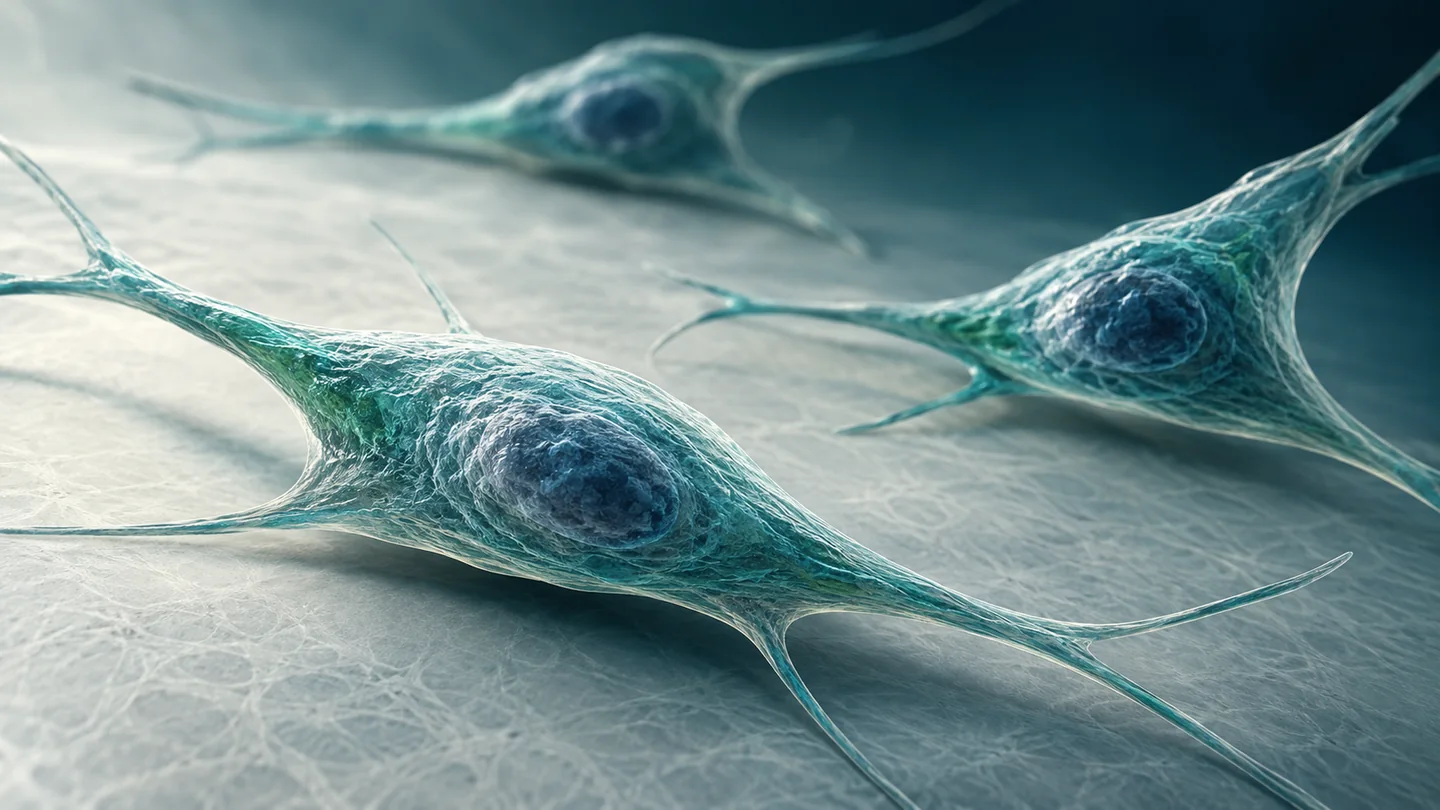
Why Wharton's Jelly MSCs Outperform Adult Stem Cells
Neonatal potency
Younger biological age means longer telomeres, higher proliferative capacity, and stronger paracrine signaling output than adult bone-marrow or adipose MSCs.
Superior anti-inflammatory profile
WJ-MSCs secrete higher concentrations of IL-10, TGF-β, IDO, and PGE2 — the molecular drivers of immune modulation and inflammation resolution.
Immunologically privileged
Low HLA-II expression makes WJ-MSCs safe for allogeneic infusion without HLA matching or immunosuppression.
Scalable & standardizable
A single umbilical cord can yield billions of cells through GMP expansion — enabling reproducible dose-standardized clinical batches.
Ethically sourced
Collected after healthy full-term births with informed maternal consent from tissue that would otherwise be discarded.
Excellent safety record
Published clinical safety data across hundreds of trials shows extremely low rates of serious adverse events.
How Wharton's Jelly Stem Cells Are Processed
Cell quality begins with sourcing and ends with characterization. Every batch of WJ-MSCs delivered at TurkeyStemcell follows the same GMP-aligned pipeline:
- 1
Ethical collection
Umbilical cord collected after healthy full-term delivery with informed maternal consent and full infectious-disease donor screening.
- 2
Cold-chain transport
Cord transported to a GMP-certified laboratory under validated cold chain within hours of collection.
- 3
Dissection & enzymatic digestion
Wharton's jelly is dissected from the umbilical cord vessels and processed through a standardized enzymatic protocol to release the MSC population.
- 4
Expansion under GMP
MSCs are expanded in xeno-free, defined media to clinically relevant cell counts. Passage number is strictly limited to preserve genomic stability.
- 5
Quality control
Every batch is tested for viability (≥90%), identity (CD73+ / CD90+ / CD105+ and CD34− / CD45−), sterility (USP <71>), endotoxin (USP <85>), mycoplasma, and karyotype.
- 6
Cryopreservation & clinical release
Released batches are cryopreserved in DMSO-based clinical-grade media. Cells are thawed and prepared for administration on the day of treatment.
Clinical Applications of Wharton's Jelly Stem Cells
WJ-MSCs are explored as part of regenerative protocols across many indications. Each program at TurkeyStemcell is personalized after specialist review:
Wharton's Jelly — Frequently Asked Questions
Related searches answered on this page
The questions patients most often ask alongside "Wharton's jelly" — answered above, with deeper guides linked where helpful.

Explore a Wharton's Jelly Stem Cell Protocol
Free, no-obligation consultation with our regenerative medicine specialists. Personalized protocol recommendation within 24 hours.
Or call directly: +90 534 856 92 92