Diabetes Stem Cell Therapy in Turkey

Personalized regenerative medicine programs for patients with type 1 diabetes and type 2 diabetes at Istanbul's leading stem cell clinic. Our protocols use Wharton's Jelly mesenchymal stem cells and exosome therapy to support metabolic health, reduce chronic inflammation, and address diabetes-related complications — complementing ongoing endocrine care with advanced regenerative strategies.

IV MSC Infusion Exosome Support 40–60% Lower Cost
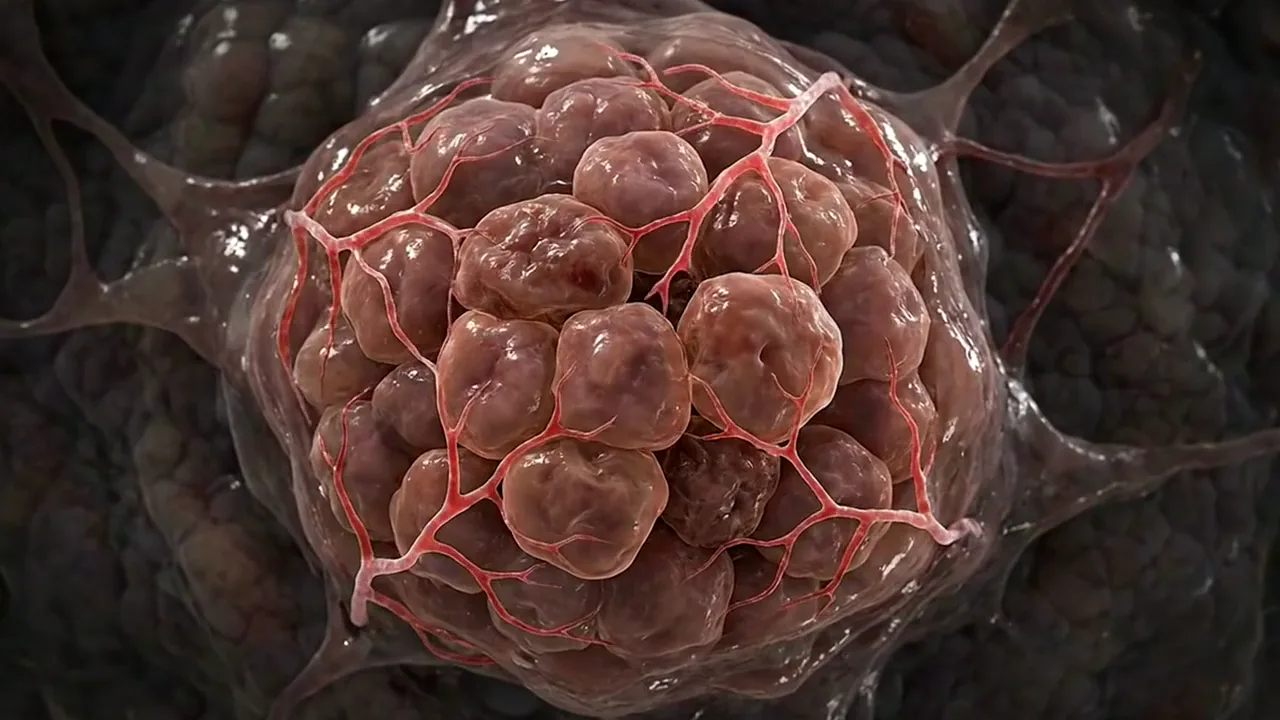
Illustrative animation of a pancreatic islet recovering its insulin-producing cells.

Your care, the science, your goals

Diabetes. A closer look.

Follow a visual journey from your assessment to the biological ideas being explored. These silent, illustrative films help you prepare for a personal conversation about care in Istanbul.

Illustrative animation of a pancreatic islet recovering its insulin-producing cells.
01 / 03
Illustrative animation of a pancreatic islet recovering its insulin-producing cells.

01 Your assessment

Start with what matters to you.

A conversation about diabetes begins with your health history, current care and what you hope to improve. Our Istanbul team can help you explore the next step in an individual medical review.

The scene introduces the subject of your assessment. Your own examination, investigations and care plan will be individual to you.


A stem cell releasing a cloud of tiny vesicles towards neighbouring cells.

02 Inside the concept

Small signals. A complex response.

Cells release signals that can influence neighboring cells. Regenerative medicine studies these interactions and their possible clinical uses. The tissue, the product and the condition all matter when evaluating a proposed treatment.

  • Cells and signals
  • Tissue environment
  • Clinical evidence
A video consultation with the clinic's physician from home.

03 Your goals

Keep everyday life at the center.

Talk to us about the activities, comfort and wellbeing that matter most to you. A useful consultation connects those personal goals with realistic options, the available evidence and a clear plan for follow-up.

Discuss possible benefits, risks, alternatives and the possibility of no improvement before deciding.

How mechanisms are evaluated before clinical use

Your questions deserve a personal answer.

Request your free case review →Explore clinical studies →
Physician-Led Protocols
International Patient Support
GMP-Aligned Laboratory
40+ Countries Served

What Is Diabetes?

Diabetes mellitus is a chronic metabolic disorder characterized by elevated blood glucose levels resulting from defects in insulin production, insulin action, or both. It affects over 500 million people globally and remains one of the leading causes of cardiovascular disease, kidney failure, blindness, nerve damage, and limb amputation.

The condition fundamentally disrupts the body's ability to convert food into energy. Under normal circumstances, the pancreas produces insulin — a hormone that allows glucose to enter cells for fuel. When this system fails, glucose accumulates in the bloodstream, triggering a cascade of metabolic, vascular, and inflammatory complications that progressively affect multiple organ systems.

Patients exploring diabetes stem cell therapy in Turkey are often seeking advanced regenerative strategies to complement their existing endocrine care — addressing the underlying inflammatory and metabolic dysfunction that conventional medications alone may not fully resolve.

Type 1 vs Type 2 Diabetes: Understanding the Difference

Type 1 Diabetes

An autoimmune condition in which the body's immune system mistakenly attacks and destroys insulin-producing beta cells in the pancreatic islets of Langerhans. Patients become dependent on exogenous insulin for survival.

  • Autoimmune-driven beta cell destruction
  • Typically diagnosed in childhood or adolescence
  • Requires lifelong insulin therapy
  • ICD-10: E10

Type 2 Diabetes

A metabolic condition characterized by progressive insulin resistance and eventual beta cell exhaustion. The pancreas produces insulin, but cells become increasingly unresponsive, leading to hyperglycemia and metabolic dysfunction.

  • Insulin resistance and metabolic syndrome
  • Associated with lifestyle and genetic factors
  • May progress to insulin dependency
  • ICD-10: E11

Symptoms, Complications & Long-Term Health Concerns

Diabetes creates a systemic inflammatory environment that progressively damages blood vessels, nerves, and organ tissue. Common symptoms include excessive thirst, frequent urination, unexplained weight changes, fatigue, blurred vision, and slow wound healing. Long-term complications are often the primary driver for patients seeking regenerative medicine for diabetes in Istanbul:

Cardiovascular Disease

Accelerated atherosclerosis, coronary artery disease, and increased stroke risk due to chronic vascular inflammation and endothelial dysfunction.

Diabetic Neuropathy

Progressive nerve damage causing numbness, pain, and loss of sensation — particularly in the extremities — affecting up to 50% of diabetes patients.

Diabetic Retinopathy

Damage to retinal blood vessels that can lead to vision impairment and blindness, driven by chronic hyperglycemia and microvascular injury.

Diabetic Nephropathy

Progressive kidney damage that may lead to chronic kidney disease and dialysis dependency, caused by glomerular damage and renal inflammation.

Wound Healing & Ulcers

Impaired tissue repair, chronic foot ulcers, and increased infection risk due to microvascular compromise and neuropathy.

Chronic Inflammation

Persistent low-grade systemic inflammation (elevated TNF-α, IL-6, CRP) driving insulin resistance, beta cell dysfunction, and multiorgan damage.

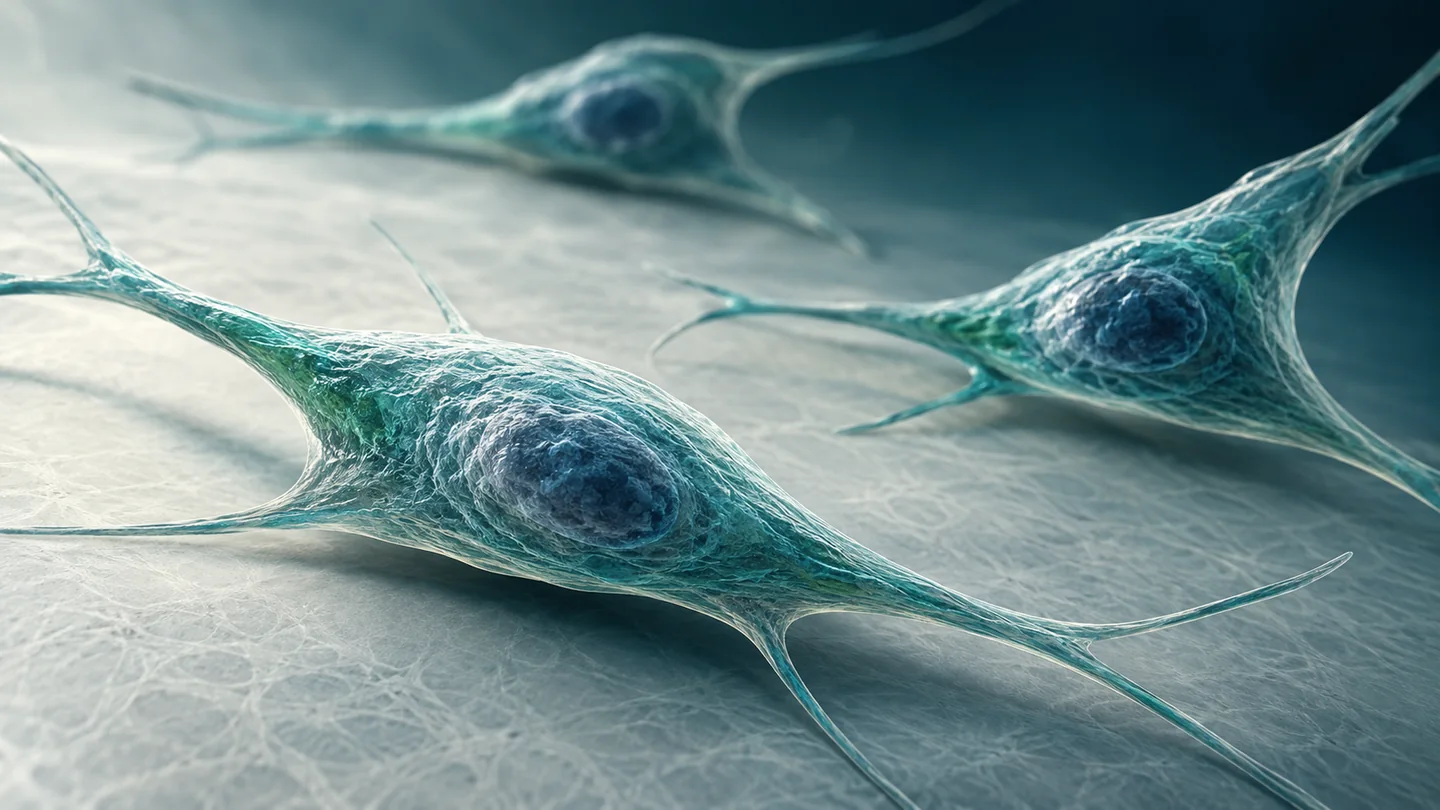
Conceptual illustration of mesenchymal stromal cell morphology.

Why Patients Explore Regenerative Medicine for Diabetes

Standard diabetes management — insulin therapy, oral hypoglycemics, and lifestyle modification — focuses primarily on blood sugar control. While essential, these approaches do not address the underlying inflammatory, immunological, and regenerative dysfunction that drives disease progression and complications.

Stem cell therapy for diabetes represents a fundamentally different strategy: rather than managing symptoms alone, mesenchymal stem cells work at the cellular and molecular level to modulate the immune environment, support tissue repair, and optimize metabolic signaling pathways. This is why an increasing number of patients from the United States, United Kingdom, Germany, UAE, and beyond are traveling to Istanbul for regenerative metabolic support programs.

Key reasons patients seek stem cell treatment for diabetes:

  • Persistent complications despite optimal blood sugar management
  • Progressive neuropathy, nephropathy, or vascular damage
  • Desire for adjunctive strategies that address root inflammatory mechanisms
  • Interest in supporting beta cell function and metabolic resilience
  • Access to advanced regenerative protocols at significantly lower cost in Turkey

How Mesenchymal Stem Cells May Support Diabetes Treatment

Wharton's Jelly–derived mesenchymal stem cells (WJ-MSCs) exert their therapeutic potential through multiple biological mechanisms relevant to diabetes. Unlike pharmacological interventions that target single pathways, MSCs operate as dynamic, responsive biological agents that adapt their signaling output based on the local tissue environment.

Immune Modulation & Autoimmune Regulation

In type 1 diabetes, MSCs may help recalibrate the dysfunctional immune response by promoting regulatory T-cell (Treg) expansion, suppressing autoreactive immune cells, and shifting the cytokine balance from pro-inflammatory (Th1/Th17) toward anti-inflammatory (Th2/Treg) profiles — potentially slowing autoimmune beta cell destruction.

Systemic Inflammation Reduction

MSCs reduce circulating pro-inflammatory cytokines (TNF-α, IL-6, IL-1β, IFN-γ) and increase anti-inflammatory mediators (IL-10, TGF-β). This broad immunomodulatory effect addresses the chronic low-grade inflammation that drives insulin resistance in type 2 diabetes and accelerates complications in both types.

Metabolic Signaling & Insulin Sensitivity

Preclinical and early clinical data suggest MSCs may improve peripheral insulin sensitivity by modulating adipose tissue inflammation, supporting hepatic glucose metabolism, and enhancing glucose transporter (GLUT4) expression — key mechanisms in blood sugar regulation and metabolic balance.

Vascular Repair & Endothelial Support

MSCs secrete angiogenic growth factors (VEGF, HGF, angiopoietin-1) that support vascular endothelial repair, improve microcirculation, and may help protect against diabetic vasculopathy — addressing the root cause of many diabetes complications including neuropathy and nephropathy.

Tissue Regeneration & Trophic Support

MSCs release a rich paracrine cocktail of neurotrophic factors, growth factors, and extracellular vesicles that support tissue repair in damaged organs — including pancreatic islet tissue, peripheral nerves, and renal glomeruli — creating a more favorable environment for functional recovery.

The Role of Exosome Therapy in Diabetes Treatment

Exosome therapy amplifies the regenerative potential of stem cell treatment for diabetes. Exosomes are nano-sized extracellular vesicles (30–150 nm) secreted by mesenchymal stem cells, carrying a concentrated payload of bioactive molecules including anti-inflammatory microRNAs, growth factors, and signaling proteins.

In the context of diabetes, exosomes may support pancreatic islet survival, reduce systemic and local inflammation, promote vascular endothelial repair, and enhance the body's metabolic signaling pathways. Their small size allows them to cross biological barriers efficiently, reaching target tissues that whole cells may not easily access.

Our diabetes treatment protocols in Istanbul may combine IV mesenchymal stem cell infusion with exosome therapy for enhanced regenerative support — creating a comprehensive metabolic support strategy tailored to each patient's clinical profile.

Conceptual illustration of translucent extracellular vesicles with lipid membranes.

Why Patients Choose Turkey & Istanbul for Diabetes Stem Cell Therapy

Conceptual illustration of illustrative istanbul waterfront atmosphere.

Istanbul has become a leading global destination for regenerative medicine, attracting patients from over 40 countries seeking advanced stem cell treatment for diabetes and metabolic conditions. The combination of world-class medical infrastructure, experienced physicians, and significant cost advantages makes Turkey an increasingly compelling choice for international patients.

  • Internationally accredited facilities with GMP-aligned cell processing
  • Treatment costs 40–60% lower than US, UK, and Western Europe
  • Direct flights from 300+ cities worldwide
  • Multilingual medical staff and dedicated patient coordinators
  • Private airport transfers, accommodation coordination, and 24/7 support
  • Comprehensive pre-screening and structured follow-up at 1, 3, 6, and 12 months

Diabetes Programs at TurkeyStemcell

Every program is delivered by IV infusion alongside your existing endocrine care and falls within our MSC program range of €7,000 – €18,000.

Type 1 Adjunctive Protocol

Dose:
2 × 100M Wharton's jelly MSCs, IV
Stay:
3–5 days

Preserve residual beta-cell function, reduce daily insulin requirement and stabilize HbA1c. Best suited to patients within 2–5 years of diagnosis.

Type 2 Metabolic Protocol

Dose:
1–2 × 100M MSCs, IV + exosome adjunct
Stay:
3 days

Improve insulin sensitivity and lower inflammatory markers, combined with a lifestyle and nutrition plan.

Diabetic Neuropathy Protocol

Dose:
100M MSCs, IV + targeted exosomes
Stay:
3–4 days

Address microvascular dysfunction and small-fiber nerve damage, complementing standard pain management.

Who May Be Eligible for Evaluation

Our diabetes clinic in Turkey conducts thorough medical reviews before confirming candidacy for regenerative treatment. The evaluation process ensures patient safety and appropriate expectation-setting.

Type 1 patients within about 5 years of diagnosis with detectable C-peptide
Type 2 patients with elevated inflammatory markers, a recent diagnosis, or insulin resistance
Patients with documented type 1 or type 2 diabetes under active physician management
Individuals with progressive diabetes-related complications (neuropathy, nephropathy, vascular disease)
Patients seeking adjunctive regenerative strategies — not replacement for endocrine care
People with stable blood sugar management who want to address inflammatory burden
International patients able to provide recent lab work, medication history, and complication records
Patients who have not responded adequately to conventional management alone

Your Diabetes Treatment Journey in Istanbul

01

Medical Review & Pre-Screening

Submit your diabetes history, HbA1c results, medication list, and complication records. Our medical team reviews your case and determines preliminary eligibility for stem cell therapy.

02

Consultation & Protocol Design

Receive a personalized treatment plan outlining the recommended MSC protocol, expected stay duration, and realistic treatment goals. Your patient coordinator assists with travel logistics and accommodation.

03

Arrival in Istanbul

Private airport transfer to your hotel. Pre-treatment evaluation including blood work, vital signs, and endocrinology review at our clinic.

04

Treatment Administration

IV mesenchymal stem cell infusion with optional exosome therapy, administered under full medical supervision in our clinical facility. Post-treatment monitoring and recovery guidance.

05

Follow-Up & Long-Term Monitoring

Structured follow-up assessments at 1, 3, 6, and 12 months tracking HbA1c trends, inflammatory markers, quality of life measures, and complication-specific outcomes.

Conceptual illustration of anonymous care-planning conversation.

Explore a Personalized Metabolic Support Program

Our medical team reviews every case individually. Request a free evaluation to learn whether stem cell therapy for diabetes may be appropriate for your situation.

Frequently Asked Questions About Diabetes Stem Cell Therapy in Turkey

In early type 1 diabetes, published studies report preserved C-peptide, a modest reduction in daily insulin requirement and more stable HbA1c in 50–70% of treated patients within 6–12 months. In type 2 diabetes, typical findings include an HbA1c reduction of 1.0–1.5 percentage points, better insulin sensitivity and lower inflammatory markers. We do not promise insulin independence or any specific HbA1c result.

No responsible clinic should present stem cell therapy as a cure for diabetes. At TurkeyStemcell, we focus on supportive regenerative strategies that may help modulate inflammation, support metabolic signaling, and complement ongoing endocrine care. Patients should never discontinue insulin or prescribed medications without physician guidance.

Our diabetes protocols use Wharton's Jelly–derived mesenchymal stem cells (WJ-MSCs) sourced from ethically donated umbilical cord tissue. These allogeneic cells are immunologically privileged, highly proliferative, and demonstrate strong immunomodulatory and anti-inflammatory properties — making them well-suited for metabolic and inflammatory support applications.

MSC therapy has been extensively studied globally with an excellent safety profile. Wharton's Jelly–derived stem cells do not require tissue matching and carry virtually no rejection risk. Common temporary effects may include mild fatigue or low-grade fever lasting 24–48 hours. All protocols are administered under full medical supervision with comprehensive monitoring.

Type 1 diabetes involves autoimmune destruction of insulin-producing beta cells, so protocols focus on immune modulation and reducing autoimmune-driven inflammation. Type 2 diabetes involves insulin resistance and metabolic dysfunction, so protocols emphasize metabolic signaling support, vascular health, and inflammation reduction. Both approaches use MSCs but with different therapeutic rationales.

Patients should never stop insulin or any prescribed medication without explicit guidance from their treating endocrinologist. Stem cell therapy is designed as a supportive, adjunctive strategy — not a replacement for standard diabetes management.

Most diabetes protocols involve 3–5 days in Istanbul: pre-treatment evaluation and blood work (Day 1), treatment sessions with IV administration (Days 2–3), and post-treatment observation with recovery guidance (Days 4–5). Our team coordinates accommodation, airport transfers, and local guidance throughout your stay.

Some patients have reported improvements in energy levels, blood sugar stability, reduced inflammatory markers, improved wound healing, better peripheral circulation, and enhanced overall quality of life. However, individual outcomes vary significantly and are not guaranteed. Continued follow-up with endocrinology is essential.

Diabetes programs at TurkeyStemcell fall within our MSC program range of €7,000 to €18,000, depending on the number of IV sessions, exosome adjuncts, and whether a neuropathy-specific protocol is included. This covers the medical protocol, clinic day, monitoring, airport transfers and patient coordination; hotel and flights are quoted separately. Comparable US and EU programs typically cost US$30,000–US$80,000.

Exosomes are nano-sized vesicles released by mesenchymal stem cells carrying concentrated anti-inflammatory cargo including cytokines, growth factors, and microRNAs. They may support vascular repair signaling, reduce systemic inflammation, and promote metabolic pathway optimization. Exosome therapy can complement MSC infusion for enhanced regenerative support.

The strongest candidates are type 1 patients within about 5 years of diagnosis with detectable C-peptide, and type 2 patients with elevated inflammatory markers, a recent diagnosis, or an insulin-resistance profile. Patients with diabetic neuropathy or other microvascular complications are also evaluated. Long-standing type 1 diabetes with no residual beta-cell function is unlikely to respond meaningfully, and we will tell you that honestly. A full medical review is required before eligibility is confirmed.

Chronic low-grade inflammation is a hallmark of both type 1 and type 2 diabetes, contributing to insulin resistance, beta cell dysfunction, vascular damage, and complications like neuropathy and nephropathy. MSCs exert potent anti-inflammatory effects by modulating immune cell activity, reducing pro-inflammatory cytokines (TNF-α, IL-6, IL-1β), and promoting an anti-inflammatory environment that may support metabolic function.

Istanbul offers internationally accredited medical facilities, physicians with regenerative medicine expertise, GMP-aligned cell processing laboratories, and treatment costs 40–60% lower than comparable programs globally. Istanbul's strategic location provides convenient access from 300+ cities worldwide. We provide comprehensive international patient support including private transfers, accommodation coordination, and multilingual medical staff.

Please bring: recent HbA1c results and fasting glucose records, a complete medication list (including insulin type and dosage), records of diabetes-related complications, recent blood work (CBC, CMP, lipid panel, CRP, thyroid panel), any imaging or specialist reports, and a brief summary of your diabetes history and treatment goals. Digital files can be securely uploaded or sent via WhatsApp.

Diabetic neuropathy involves nerve damage from prolonged high blood sugar and vascular compromise. MSC therapy's anti-inflammatory and neurotrophic properties may support nerve repair signaling, improve local circulation, and reduce inflammatory damage to peripheral nerves. Some patients with neuropathy seek combined regenerative evaluations addressing both metabolic and neurological goals.

Most patients report subtle improvements within 4–8 weeks, with more measurable metabolic changes developing over 3–6 months. We track progress through structured follow-up assessments at 1, 3, 6, and 12 months, monitoring HbA1c, inflammatory markers, quality of life measures, and complication-specific outcomes.

Pre-clinical research and early-phase trials suggest that mesenchymal stem cells may support pancreatic islet preservation through immunomodulation, paracrine signaling, and beta cell protection — but clinical evidence for true beta cell regeneration in human patients remains limited and investigational. MSC therapy is not a substitute for insulin therapy or endocrine care. Outcomes vary based on diabetes duration, residual beta cell function, autoimmune activity, and individual biology. Patients should view stem cell therapy as a supportive strategy alongside standard diabetes management, never as a replacement.

Adults with type 1 diabetes may benefit from MSC therapy primarily through immune modulation — dampening the autoimmune attack on remaining beta cells — and reduction of chronic inflammation that contributes to complications. Patients with shorter disease duration and detectable C-peptide levels often show more measurable responses than those with long-standing disease. All adult T1D protocols are coordinated with the patient's endocrinologist; insulin therapy continues unchanged unless adjusted by the treating physician.

A pancreas transplant is a major surgical procedure requiring lifelong immunosuppression, reserved for severely brittle type 1 diabetes or end-stage renal disease cases. Stem cell therapy is a minimally invasive IV infusion that uses immunologically privileged allogeneic MSCs — no surgery, no immunosuppression, and no donor matching. Stem cell therapy does not replace lost organ function but aims to modulate the underlying autoimmune and inflammatory processes that drive diabetic disease progression and complications.

Important Medical Disclaimer

Stem cell therapy and exosome therapy for diabetes should be understood as investigational regenerative medicine options — not guaranteed cures or replacements for standard endocrine care. Patients must not discontinue insulin, oral hypoglycemics, or any prescribed medication without explicit guidance from their treating physician. Treatment suitability, expected benefit, and risk profile vary by diagnosis, severity, duration, comorbidities, and clinical history. All claims on this page describe potential supportive mechanisms based on published research and clinical observations — individual outcomes are not guaranteed. Ongoing care with your regular endocrinologist remains essential.

Free Consultation

Request Your Free Consultation

Our medical coordinators respond within 24 hours.

About you
Your case
Your records
Upload Reports / MRI / Test Results (optional)
  • Reviewed by a physician
  • Reply within 24–48 hours
  • Free and confidential
Free case reviewIstanbul, TurkeyReply within 24–48 hoursStem cells & exosomes

Ready to Explore Your Treatment Options?

Schedule a free, no-obligation consultation with our regenerative medicine specialists. We treat patients from over 40 countries.

Or call directly: +90 534 856 92 92

Animations are optional.

Optional analytics is off until you choose.

May we use Google Analytics cookies to count interactions such as consultation requests and contact-button clicks? Your choice is optional and does not affect access to our services. You can change it here at any time. Read our privacy policy.