Parkinson's Stem Cell Therapy in Turkey

Personalized regenerative neurology programs for patients with Parkinson's disease at Istanbul's leading stem cell clinic. Our protocols use Wharton's Jelly mesenchymal stem cells and exosome therapy to support dopaminergic neuron survival, reduce neuroinflammation, and improve movement function — complementing ongoing neurological care with advanced regenerative strategies.

IV + Intranasal MSC Exosome Support 40–60% Lower Cost
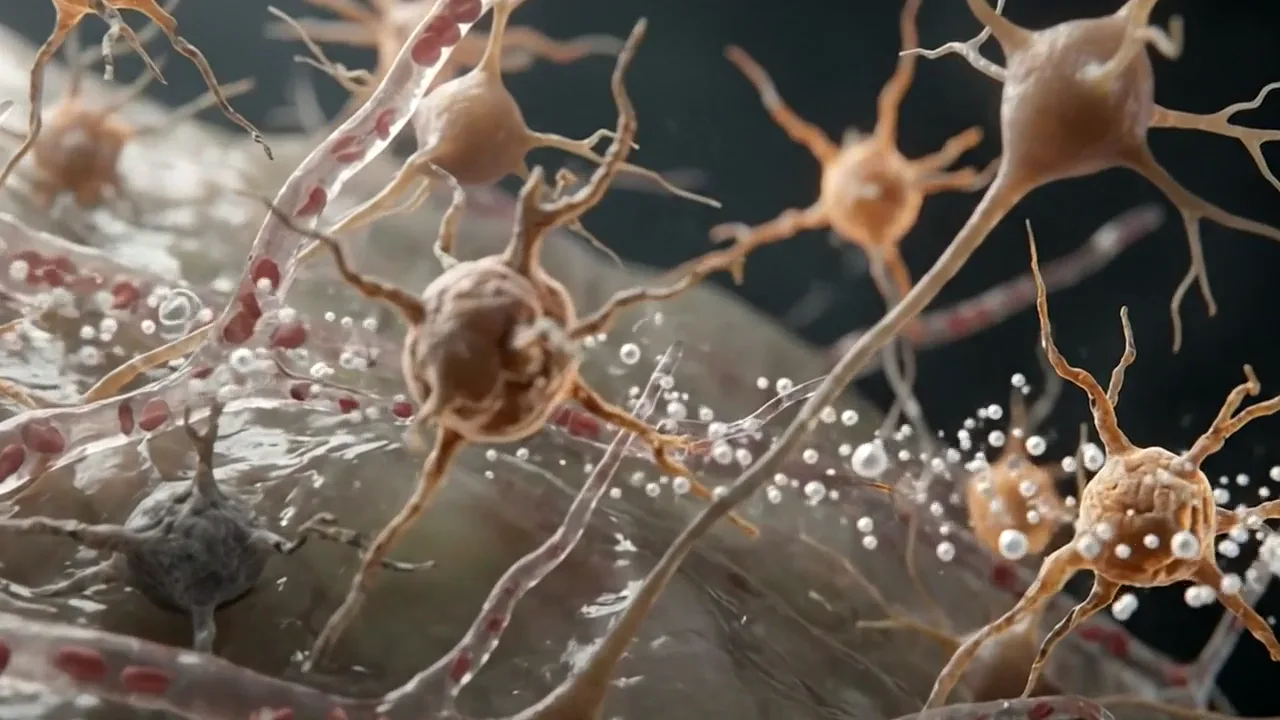
Illustrative animation of withered dopamine neurons regaining health and connections.

How treatment is delivered

Three routes. One plan.

For neurological conditions the route matters as much as the product. Your physician may combine intrathecal, intravenous and intranasal delivery in a single program, chosen after reviewing your history, imaging and goals.

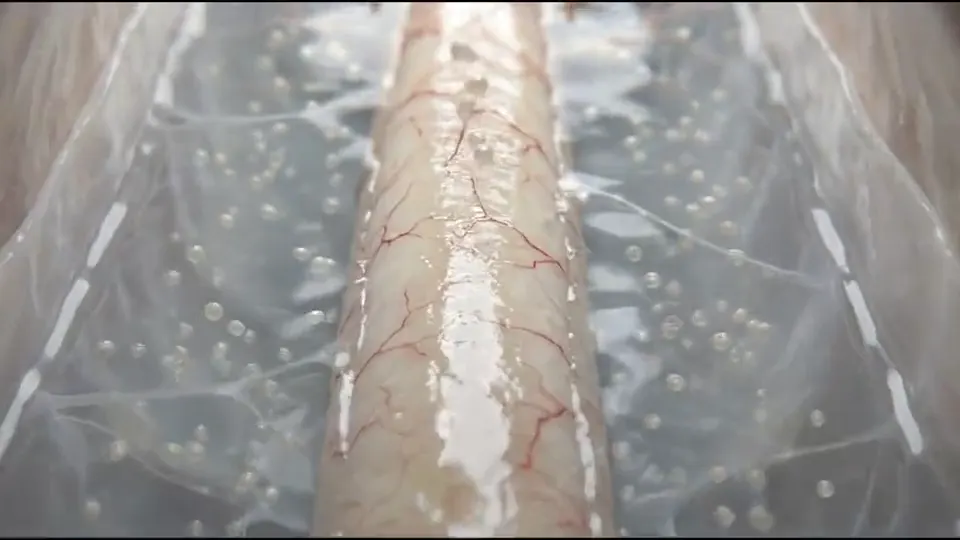
Illustration of cells travelling through clear spinal fluid along the spinal cord.
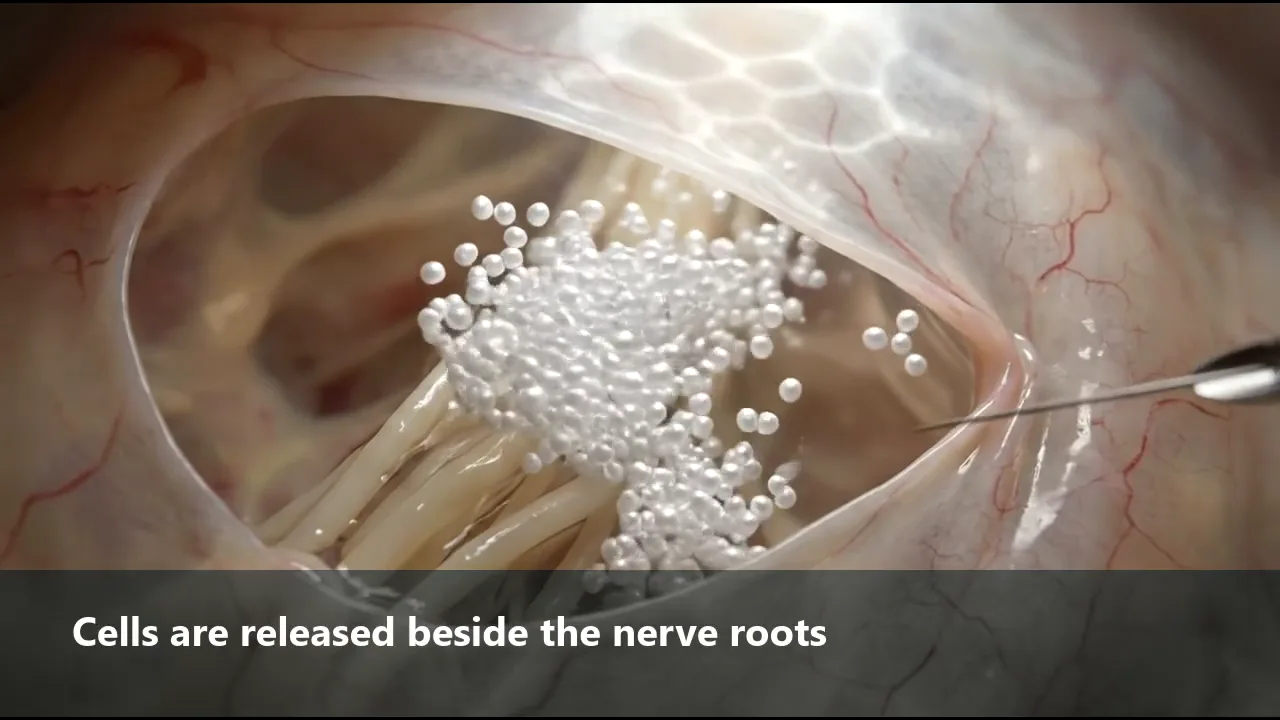
  1. Intrathecal Into the spinal fluid

    A physician places the preparation into the cerebrospinal fluid through a fine needle at the lower back, under sterile conditions. That fluid surrounds the spinal cord and the brain, which is why this route is central to these programs.

    • Performed by a physician
    • Sterile procedure room
    • Rest and observation afterwards
  2. Intravenous Through the bloodstream

    Stem cells and exosomes are given as a calm, monitored infusion. The circulation carries them through the body, where they are studied for their signalling and immune-modulating effects.

    • Infusion suite
    • Monitored throughout
    • Stem cells and exosomes
  3. Intranasal A simple nasal spray

    Exosomes are also given as a nasal spray. The route is studied because the olfactory nerve offers a short pathway toward the brain, and it needs no needle at all.

    • Needle-free
    • Shown to you in clinic
    • Exosome nasal spray

Your care, the science, your goals

Parkinson's disease. A closer look.

Follow a visual journey from your assessment to the biological ideas being explored. These silent, illustrative films help you prepare for a personal conversation about care in Istanbul.

Illustrative animation of withered dopamine neurons regaining health and connections.
01 / 03
Illustrative animation of withered dopamine neurons regaining health and connections.

01 Your assessment

Start with what matters to you.

A conversation about parkinson's disease begins with your health history, current care and what you hope to improve. Our Istanbul team can help you explore the next step in an individual medical review.

The scene introduces the subject of your assessment. Your own examination, investigations and care plan will be individual to you.

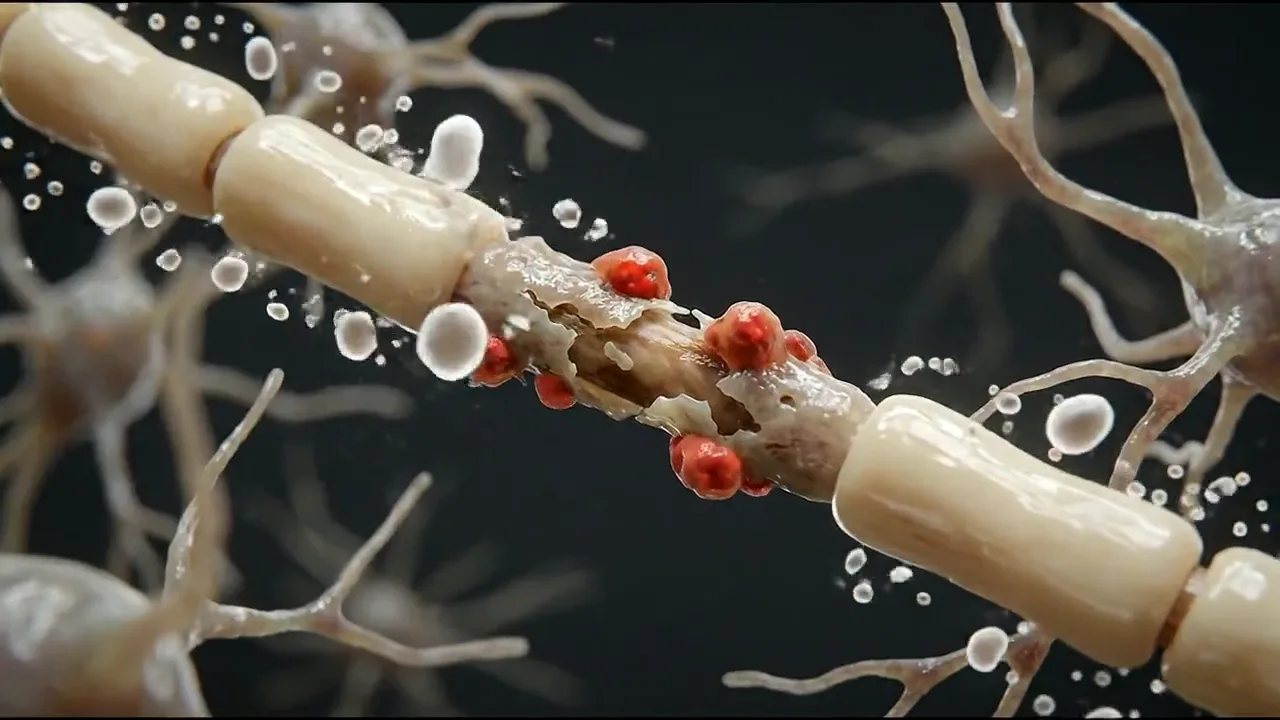
New myelin wrapping a damaged nerve fibre.

02 Inside the concept

Explore the conversation between cells.

The nervous system depends on communication between nerve cells and their surrounding support cells. Researchers investigate this environment, including inflammation and cellular signals. These ideas are distinct from evidence that a treatment restores neurological function.

  • Nerve cells
  • Supporting cells
  • Cell communication
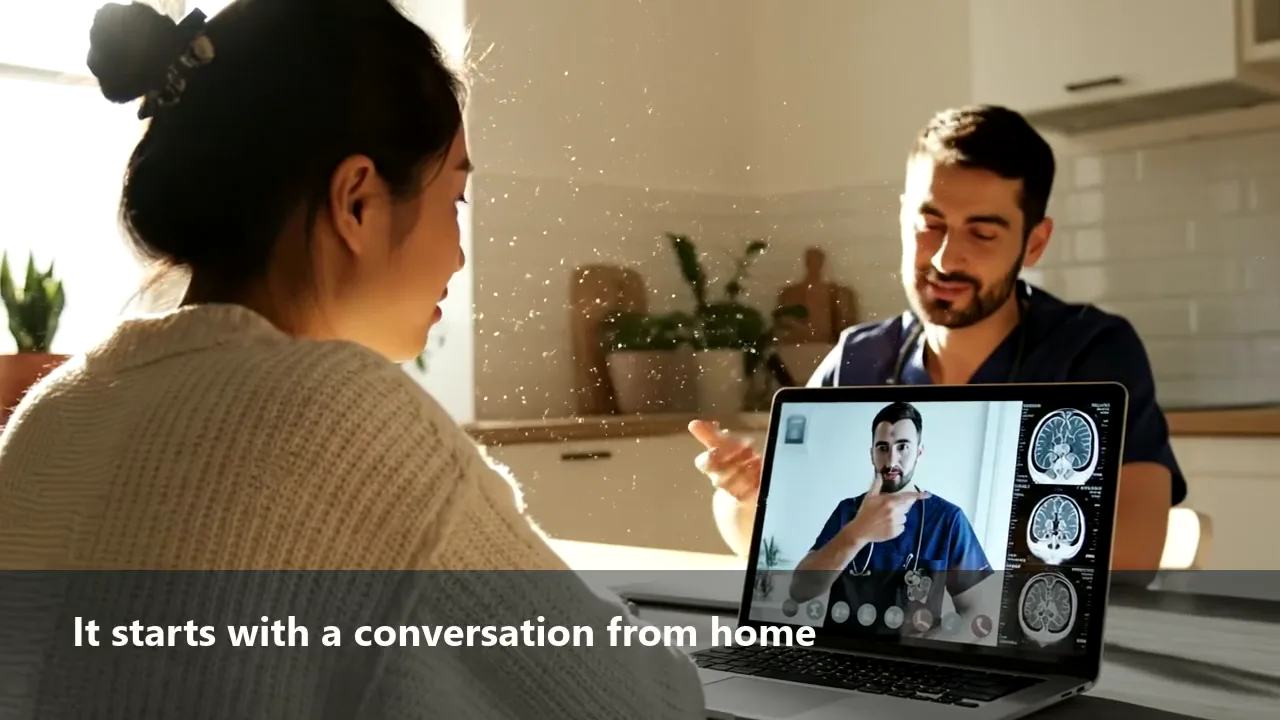
A video consultation with the clinic's physician from home.

03 Your goals

Keep everyday life at the center.

Talk to us about the activities, comfort and wellbeing that matter most to you. A useful consultation connects those personal goals with realistic options, the available evidence and a clear plan for follow-up.

Discuss possible benefits, risks, alternatives and the possibility of no improvement before deciding.

How mechanisms are evaluated before clinical use

Your questions deserve a personal answer.

Request your free case review →Explore clinical studies →
Physician-Led Protocols
International Patient Support
GMP-Aligned Laboratory
40+ Countries Served

What Is Parkinson's Disease?

Parkinson's disease is a progressive neurodegenerative disorder caused by the gradual loss of dopamine-producing neurons in the substantia nigra — a region deep within the midbrain that controls movement, coordination, and motor planning. It affects approximately 10 million people worldwide and is the second most common neurodegenerative disease after Alzheimer's.

The hallmark pathology involves the accumulation of alpha-synuclein protein aggregates (Lewy bodies) within neurons, triggering chronic neuroinflammation, mitochondrial dysfunction, and oxidative stress that progressively destroys dopaminergic cells. As dopamine levels decline, patients experience increasingly severe motor symptoms — tremor, rigidity, bradykinesia, and postural instability — along with a growing range of non-motor complications.

Patients exploring Parkinson's stem cell therapy in Turkey are often seeking advanced regenerative strategies to complement their existing neurological care — addressing the underlying neuroinflammatory and neurodegenerative processes that standard dopamine-replacement medications alone cannot fully resolve.

Symptoms, Progression & Long-Term Concerns

Parkinson's disease manifests through both motor and non-motor symptoms that progressively worsen over time. By the time motor symptoms appear, approximately 60–80% of dopaminergic neurons may already be lost. Understanding the full spectrum of the disease is important for patients considering regenerative medicine for Parkinson's disease:

Resting Tremor

Involuntary rhythmic shaking, typically beginning in one hand ('pill-rolling tremor'), that occurs at rest and may spread to other limbs as the disease progresses.

Bradykinesia

Progressive slowness of movement — the most disabling motor symptom — affecting walking, writing, dressing, and all voluntary movements. Often described as feeling 'stuck' or moving through thick fluid.

Muscular Rigidity

Increased muscle stiffness and resistance to passive movement, causing pain, reduced range of motion, and the characteristic stooped posture seen in advanced Parkinson's.

Postural Instability & Gait

Impaired balance, shuffling gait, freezing episodes, and increased fall risk — significantly impacting independence and quality of life in moderate-to-advanced stages.

Cognitive & Mood Changes

Depression, anxiety, apathy, cognitive slowing, executive dysfunction, and in later stages, Parkinson's disease dementia affecting up to 80% of patients over the disease course.

Non-Motor Symptoms

Sleep disturbances (REM sleep behavior disorder), autonomic dysfunction (constipation, blood pressure changes), anosmia (loss of smell), fatigue, and speech/swallowing difficulties.

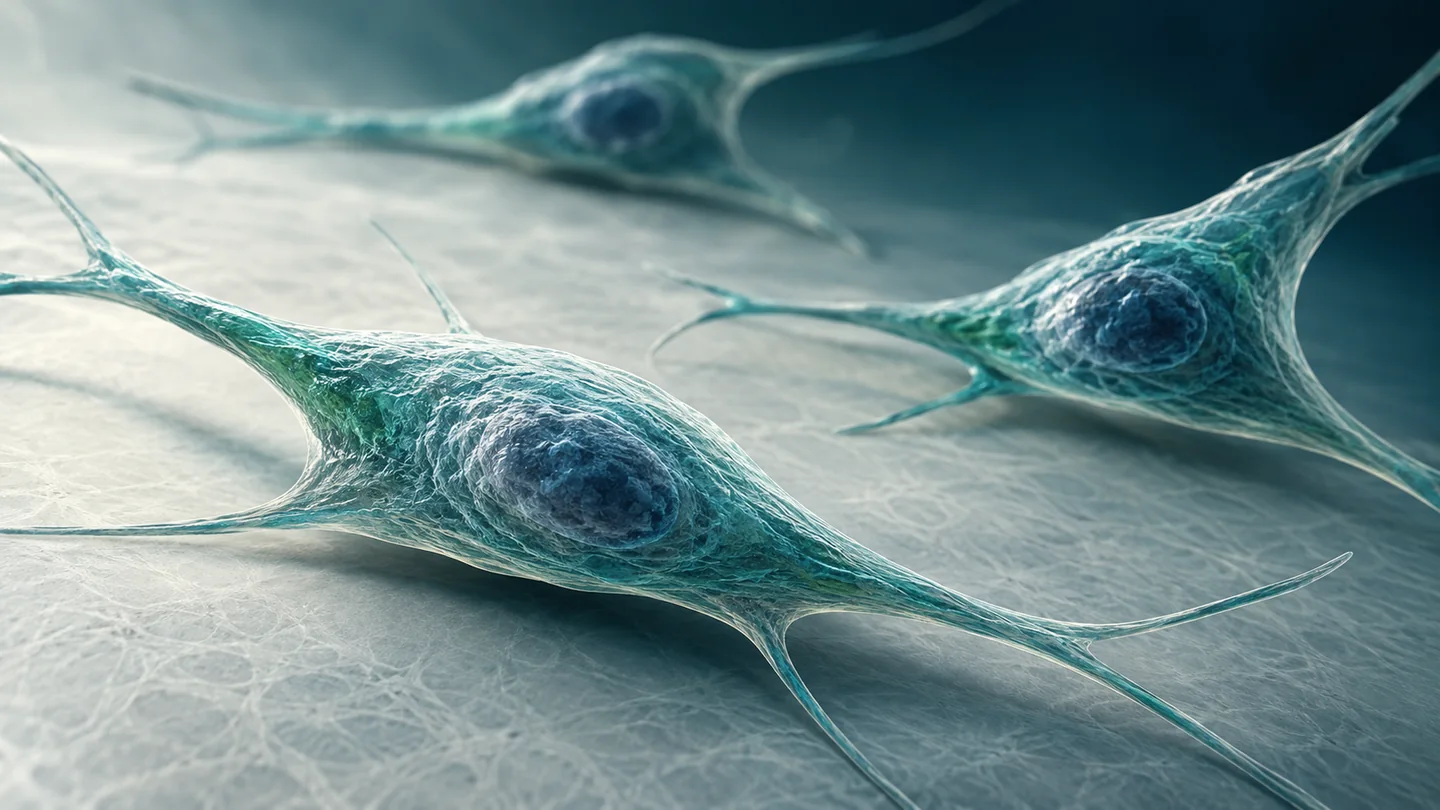
Conceptual illustration of mesenchymal stromal cell morphology.

Why Patients Explore Regenerative Medicine for Parkinson's Disease

Standard Parkinson's management — levodopa, dopamine agonists, MAO-B inhibitors, and deep brain stimulation — focuses primarily on symptom control by replacing or mimicking dopamine. While essential, these approaches do not address the underlying neuroinflammation, oxidative stress, and progressive neuronal loss that drive disease progression.

Stem cell treatment for Parkinson's disease represents a fundamentally different strategy: rather than replacing depleted dopamine alone, mesenchymal stem cells work at the cellular and molecular level to modulate neuroinflammation, provide neurotrophic support, and create a more neuroprotective environment for surviving dopaminergic neurons. This is why an increasing number of patients from the United States, United Kingdom, Germany, UAE, and beyond are traveling to Istanbul for regenerative neurology programs.

Key reasons patients seek stem cell therapy for Parkinson's:

  • Progressive symptom worsening despite optimized medication regimens
  • Motor fluctuations, dyskinesia, and medication wearing-off effects
  • Desire for adjunctive strategies that address root neuroinflammatory mechanisms
  • Interest in supporting remaining dopaminergic neuron function and survival
  • Access to advanced regenerative neurology protocols at significantly lower cost in Turkey

How Mesenchymal Stem Cells May Support Parkinson's Treatment Goals

Wharton's Jelly–derived mesenchymal stem cells (WJ-MSCs) exert their therapeutic potential through multiple neuroprotective mechanisms relevant to Parkinson's disease. Unlike pharmacological interventions that target single neurotransmitter pathways, MSCs operate as dynamic, responsive biological agents that adapt their signaling output based on the local neural environment.

Neuroprotection & Dopaminergic Neuron Support

MSCs secrete a rich cocktail of neurotrophic factors — including BDNF (brain-derived neurotrophic factor), GDNF (glial-derived neurotrophic factor), and NGF (nerve growth factor) — that support the survival, function, and connectivity of remaining dopaminergic neurons in the substantia nigra and nigrostriatal pathway.

Neuroinflammation Modulation

MSCs promote M2 microglial polarization (anti-inflammatory phenotype) while suppressing M1 activation (pro-inflammatory phenotype). This shift reduces neurotoxic cytokine release (TNF-α, IL-1β, IL-6) and creates a neuroprotective microenvironment — directly addressing one of the central drivers of Parkinson's disease progression.

Oxidative Stress Reduction

The substantia nigra is particularly vulnerable to oxidative damage due to high metabolic demand and iron content. MSCs enhance antioxidant defense pathways, reduce reactive oxygen species (ROS) production, and support mitochondrial function — counteracting the oxidative stress that accelerates dopaminergic neuron death.

Neuroplasticity & Circuit Repair Signaling

MSC-derived paracrine factors may support synaptic remodeling, enhance neural circuit plasticity, and promote compensatory mechanisms in the basal ganglia motor circuit — potentially supporting improved movement coordination, motor planning, and functional capacity.

Blood-Brain Barrier & Vascular Support

MSCs secrete angiogenic and vasculoprotective factors that support cerebrovascular health, improve blood-brain barrier integrity, and enhance cerebral microcirculation — ensuring adequate nutrient and oxygen delivery to metabolically stressed brain regions.

The Role of Exosome Therapy in Parkinson's Treatment

Exosome therapy amplifies the neuroprotective potential of stem cell treatment for Parkinson's disease. Exosomes are nano-sized extracellular vesicles (30–150 nm) secreted by mesenchymal stem cells, carrying a concentrated payload of neuroprotective molecules including BDNF, GDNF, anti-inflammatory microRNAs, and signaling proteins.

Critically, MSC-derived exosomes can cross the blood-brain barrier — a major advantage for neurological conditions like Parkinson's disease. This allows neuroprotective cargo to reach dopaminergic neurons directly, modulate microglial activation in situ, and support neural repair signaling within the central nervous system.

Our Parkinson's treatment protocols in Istanbul may combine IV mesenchymal stem cell infusion with intranasal exosome delivery for enhanced CNS penetration — creating a comprehensive neuroprotective strategy tailored to each patient's clinical stage and neurological profile.

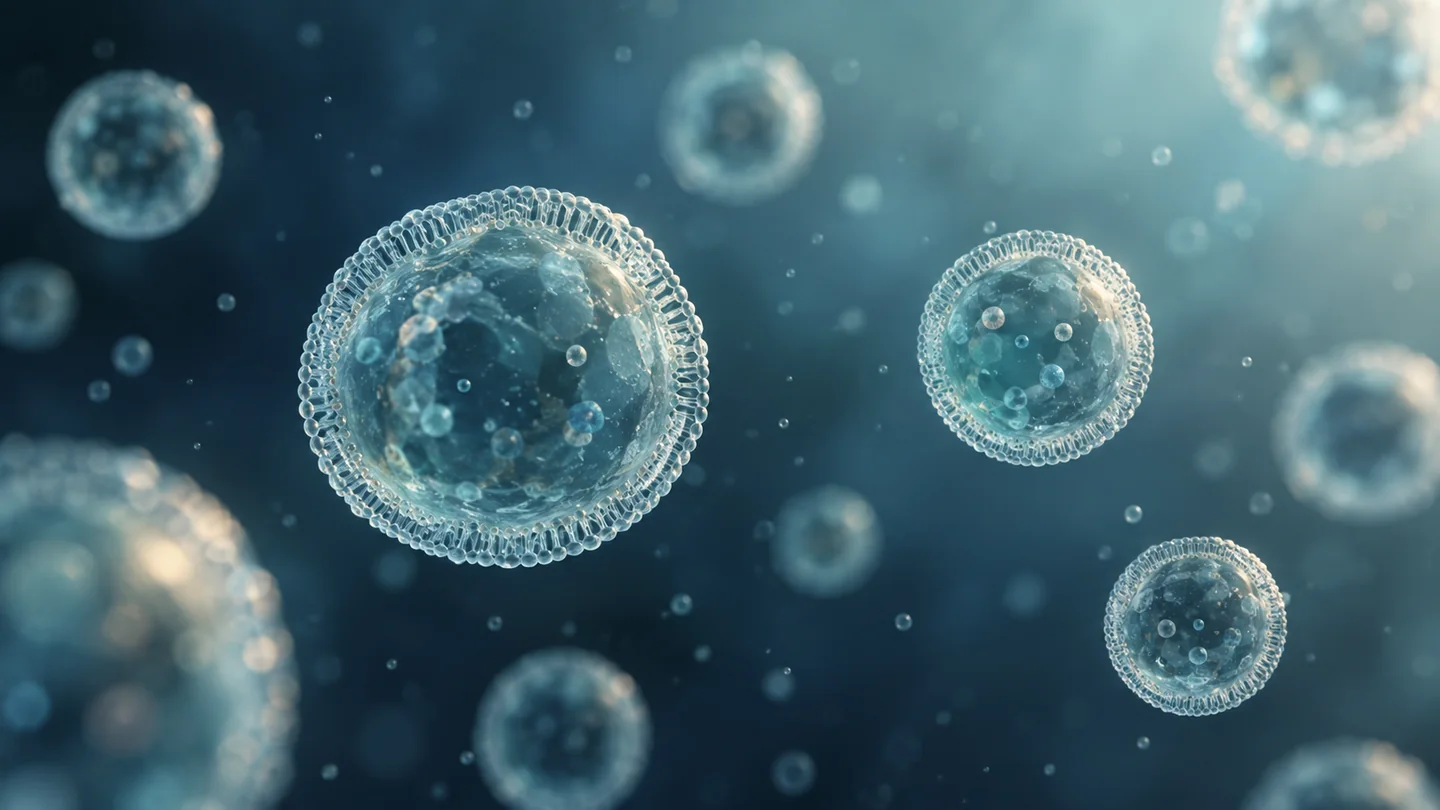
Conceptual illustration of translucent extracellular vesicles with lipid membranes.

Why Patients Choose Turkey & Istanbul for Parkinson's Stem Cell Therapy

Conceptual illustration of illustrative istanbul waterfront atmosphere.

Istanbul has become a leading global destination for regenerative neurology, attracting patients from over 40 countries seeking advanced movement disorder treatment in Turkey and neurological conditions. The combination of world-class medical infrastructure, experienced neurology teams, and significant cost advantages makes Turkey an increasingly compelling choice for international Parkinson's patients.

  • Internationally accredited facilities with GMP-aligned cell processing
  • Treatment costs 40–60% lower than US, UK, and Western Europe
  • Direct flights from 300+ cities worldwide
  • Multilingual medical staff and dedicated patient coordinators
  • Private airport transfers, accommodation coordination, and 24/7 support
  • Structured follow-up at 1, 3, 6, and 12 months with UPDRS tracking

Who May Be Eligible for Evaluation

Our Parkinson's clinic in Istanbul conducts thorough neurological reviews before confirming candidacy for regenerative treatment. The evaluation process ensures patient safety and appropriate expectation-setting for every international patient.

Patients with confirmed Parkinson's disease diagnosis under active neurologist management
Individuals in Hoehn and Yahr stages 1–3 experiencing progressive motor symptoms
Patients with motor fluctuations or medication wearing-off effects despite optimized levodopa regimens
People seeking adjunctive neuroprotective strategies — not replacement for neurological care
International patients able to provide neurological history, imaging, and current medication records
Patients who wish to explore regenerative neurology approaches alongside standard Parkinson's management

Your Parkinson's Treatment Journey in Istanbul

01

Neurological Review & Pre-Screening

Submit your Parkinson's history, current UPDRS scores, medication list, and brain imaging. Our medical team reviews your case and determines preliminary eligibility for stem cell therapy.

02

Consultation & Protocol Design

Receive a personalized treatment plan outlining the recommended MSC protocol (IV, intranasal, or combined), expected stay duration, and realistic neurological support goals. Your patient coordinator assists with travel logistics.

03

Arrival in Istanbul

Private airport transfer to your hotel. Pre-treatment evaluation including comprehensive blood work, vital signs, and detailed neurological assessment at our clinic.

04

Treatment Administration

Multi-route mesenchymal stem cell delivery with optional exosome therapy, administered under full medical supervision in our clinical facility. Post-treatment neurological monitoring and recovery guidance.

05

Follow-Up & Long-Term Monitoring

Structured follow-up assessments at 1, 3, 6, and 12 months tracking UPDRS motor scores, quality of life measures, inflammatory markers, and symptom-specific outcomes.

Conceptual illustration of human attention and careful clinical questions.

Explore a Personalized Neurological Treatment Plan

Our medical team reviews every case individually. Request a free evaluation to learn whether stem cell therapy for Parkinson's disease may be appropriate for your situation.

Frequently Asked Questions About Parkinson's Stem Cell Therapy in Turkey

No. Stem cell therapy should not be presented as a cure for Parkinson's disease. At TurkeyStemcell, we focus on supportive regenerative strategies that may help modulate neuroinflammation, provide neuroprotective signaling, and support dopaminergic neuron survival. Patients should continue all prescribed medications and maintain regular follow-up with their neurologist.

Our Parkinson's protocols use Wharton's Jelly–derived mesenchymal stem cells (WJ-MSCs) sourced from ethically donated umbilical cord tissue. These allogeneic cells are immunologically privileged, highly proliferative, and demonstrate strong neuroprotective and anti-inflammatory properties — making them well-suited for neurological support applications.

MSC therapy has been extensively studied globally with an excellent safety profile. Wharton's Jelly–derived stem cells do not require tissue matching and carry virtually no rejection risk. Common temporary effects may include mild headache or low-grade fever lasting 24–48 hours. All protocols are administered under full medical supervision with comprehensive neurological monitoring.

Our Parkinson's protocols may include multiple administration routes depending on clinical assessment: intravenous (IV) infusion for systemic anti-inflammatory and immunomodulatory effects, intranasal delivery for enhanced CNS access via the olfactory pathway, and intrathecal injection for direct cerebrospinal fluid delivery when clinically indicated. The specific combination is determined during your medical evaluation.

Some patients have reported improvements in motor fluidity, reduced rigidity, better balance and gait, improved sleep quality, enhanced mood and cognitive clarity, and overall quality of life. However, individual outcomes vary significantly and are not guaranteed. Continued follow-up with your neurologist is essential.

Most Parkinson's protocols involve 4–6 days in Istanbul: pre-treatment neurological evaluation and blood work (Day 1), treatment sessions with IV and intranasal administration (Days 2–4), and post-treatment observation with recovery guidance (Days 5–6). Our team coordinates accommodation, airport transfers, and local support throughout your stay.

Parkinson's stem cell treatment in Istanbul costs 40–60% less than comparable regenerative neurology programs in the US or Western Europe — without compromising on cell quality, medical standards, or patient care. We provide transparent, itemized cost breakdowns after your initial medical consultation.

Exosomes are nano-sized vesicles released by mesenchymal stem cells carrying concentrated neuroprotective cargo including BDNF, GDNF, NGF, anti-inflammatory microRNAs, and signaling proteins. Critically, MSC-derived exosomes can cross the blood-brain barrier — delivering neuroprotective factors directly to the central nervous system. Exosome therapy can complement MSC infusion for enhanced neurological support.

Candidates typically include patients with a confirmed Parkinson's disease diagnosis under neurologist supervision, individuals experiencing progressive motor symptoms despite optimized medication, patients in Hoehn and Yahr stages 1–3, and those seeking adjunctive regenerative strategies alongside standard neurological care. A thorough medical review including neurological history and imaging is required before eligibility is confirmed.

Chronic neuroinflammation is a central driver of Parkinson's disease progression. Activated microglia release pro-inflammatory cytokines (TNF-α, IL-1β, IL-6) that create a toxic environment accelerating dopaminergic neuron death. MSCs exert potent anti-inflammatory effects by promoting M2 microglial polarization, reducing neuroinflammatory cascades, and creating a more neuroprotective environment that may slow disease progression.

Istanbul offers internationally accredited medical facilities, physicians with neurology and regenerative medicine expertise, GMP-aligned cell processing laboratories, and treatment costs 40–60% lower than comparable programs globally. Istanbul's strategic location provides convenient access from 300+ cities worldwide. We provide comprehensive international patient support including private transfers, accommodation coordination, and multilingual medical staff.

Most patients report subtle improvements within 4–8 weeks, with more measurable neurological changes developing over 3–6 months. We track progress through structured follow-up assessments at 1, 3, 6, and 12 months, monitoring motor function scales (UPDRS), quality of life measures, inflammatory markers, and symptom-specific outcomes.

Important Medical Disclaimer

Stem cell therapy and exosome therapy for Parkinson's disease should be understood as investigational regenerative medicine options — not guaranteed cures or replacements for standard neurological care. Patients must not discontinue levodopa, dopamine agonists, or any prescribed medication without explicit guidance from their treating neurologist. Treatment suitability, expected benefit, and risk profile vary by diagnosis, disease stage, duration, comorbidities, and clinical history. All claims on this page describe potential supportive mechanisms based on published research and clinical observations — individual outcomes are not guaranteed. Ongoing care with your regular neurologist remains essential.

Free Consultation

Request Your Free Consultation

Our medical coordinators respond within 24 hours.

About you
Your case
Your records
Upload Reports / MRI / Test Results (optional)
  • Reviewed by a physician
  • Reply within 24–48 hours
  • Free and confidential
Free case reviewIstanbul, TurkeyReply within 24–48 hoursStem cells & exosomes

Ready to Explore Your Treatment Options?

Schedule a free, no-obligation consultation with our regenerative medicine specialists. We treat patients from over 40 countries.

Or call directly: +90 534 856 92 92

Animations are optional.

Optional analytics is off until you choose.

May we use Google Analytics cookies to count interactions such as consultation requests and contact-button clicks? Your choice is optional and does not affect access to our services. You can change it here at any time. Read our privacy policy.