How Mesenchymal Stem Cells May Support Autism-Related Care Goals
When Wharton's Jelly–derived mesenchymal stem cells (WJ-MSCs) are administered to individuals on the autism spectrum, they interact with the body's neurological and immunological systems through multiple synergistic biological mechanisms. This multi-target approach is what distinguishes regenerative medicine for autism from single-mechanism pharmaceutical interventions:
Neuroinflammation Modulation and Microglial Reprogramming
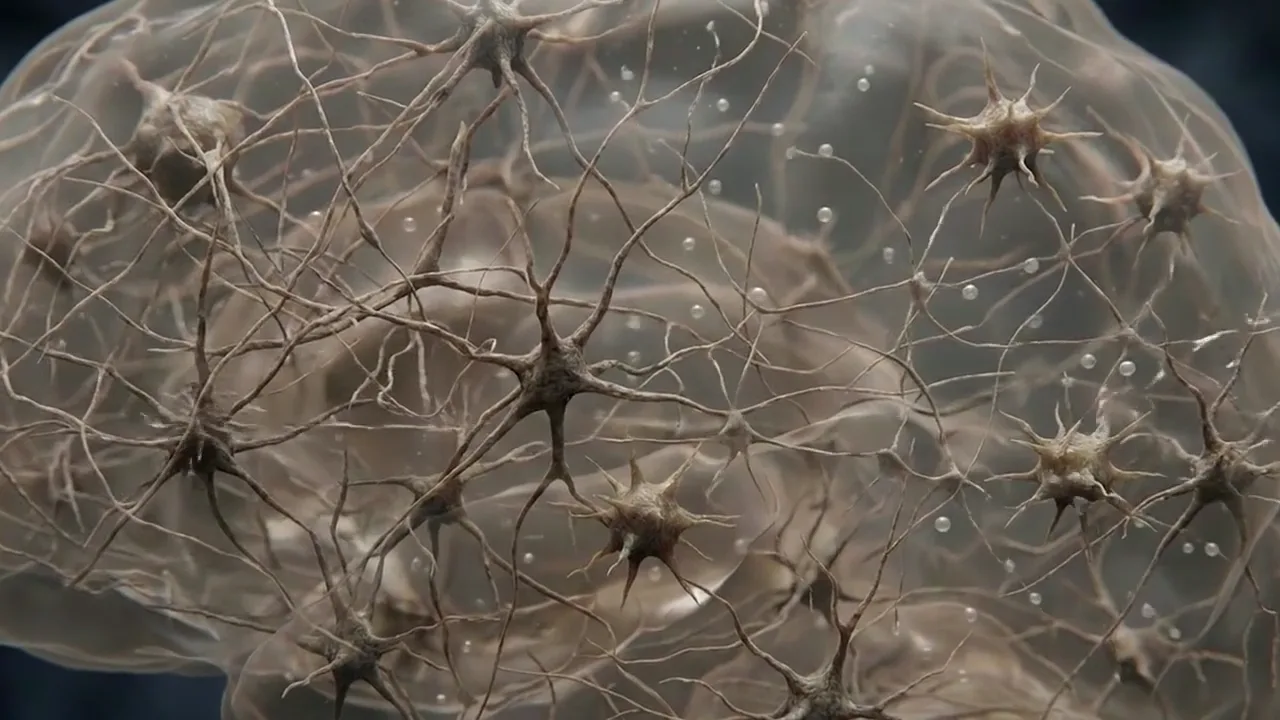
Research demonstrates that many individuals with ASD have chronically activated microglia — the brain's resident immune cells — producing a sustained neuroinflammatory state that impairs synaptic development and neural circuit formation. MSCs release potent anti-inflammatory mediators including interleukin-10 (IL-10), transforming growth factor beta (TGF-β), tumor necrosis factor-stimulated gene 6 (TSG-6), and prostaglandin E2 (PGE2). Critically, MSCs promote microglial polarization from pro-inflammatory M1 phenotypes toward neuroprotective M2 phenotypes — shifting the brain's immune environment from destructive to supportive.
Systemic Immune Rebalancing
Immune dysregulation in autism includes altered Th1/Th2 T-cell balance, elevated NK cell activity, increased pro-inflammatory cytokine profiles, and autoimmune features targeting neural tissue. MSCs modulate T-cell differentiation, suppress overactive NK cell cytotoxicity, expand regulatory T-cells (Tregs), and shift the overall immune milieu from autoaggressive toward tolerogenic. This systemic immunological rebalancing may address autoimmune components contributing to neurological dysfunction while reducing peripheral inflammatory signaling that crosses the blood-brain barrier.
Neurotrophic Factor Secretion
MSCs and their exosomes secrete a rich array of neurotrophic factors including brain-derived neurotrophic factor (BDNF), nerve growth factor (NGF), glial cell line-derived neurotrophic factor (GDNF), neurotrophin-3 (NT-3), and vascular endothelial growth factor (VEGF). These molecules support neuronal survival, axonal growth, dendritic branching, synaptogenesis, and myelination — promoting the neuroplasticity essential for speech acquisition, social development, and cognitive progress.
Blood-Brain Barrier Integrity Restoration
Increased blood-brain barrier (BBB) permeability in some individuals with ASD allows circulating inflammatory mediators, environmental toxins, and immune cells to access the CNS — amplifying neuroinflammation. MSCs secrete angiopoietin-1, hepatocyte growth factor (HGF), and tight junction–supporting proteins that may help restore BBB integrity, creating a more protected neurological environment for developing brain circuits.
Gut-Brain Axis Restoration
The bidirectional gut-brain axis — communicating via the vagus nerve, enteric nervous system, gut microbiome metabolites, and systemic immune signaling — is increasingly recognized as a critical factor in autism. MSCs modulate intestinal inflammation, support epithelial tight junction integrity (addressing "leaky gut"), and may influence gut microbiome composition through immunological signaling. Restoring gut-brain axis function can improve not only GI symptoms but also the neurological effects of gut-derived inflammatory signaling that impacts mood, behavior, cognition, and sleep.
Mitochondrial and Oxidative Stress Support
MSCs address mitochondrial dysfunction through multiple mechanisms: direct transfer of healthy mitochondria to stressed cells via tunneling nanotubes, secretion of antioxidant enzymes (superoxide dismutase, catalase, glutathione peroxidase), and release of mitochondrial biogenesis-promoting factors. This support may help restore the high ATP demands of developing neurons, reduce ROS-mediated damage to neural circuits, and support the bioenergetic requirements of neurotransmitter synthesis — addressing a root biological mechanism that conventional therapies cannot target.