How Mesenchymal Stem Cells Support Joint Health
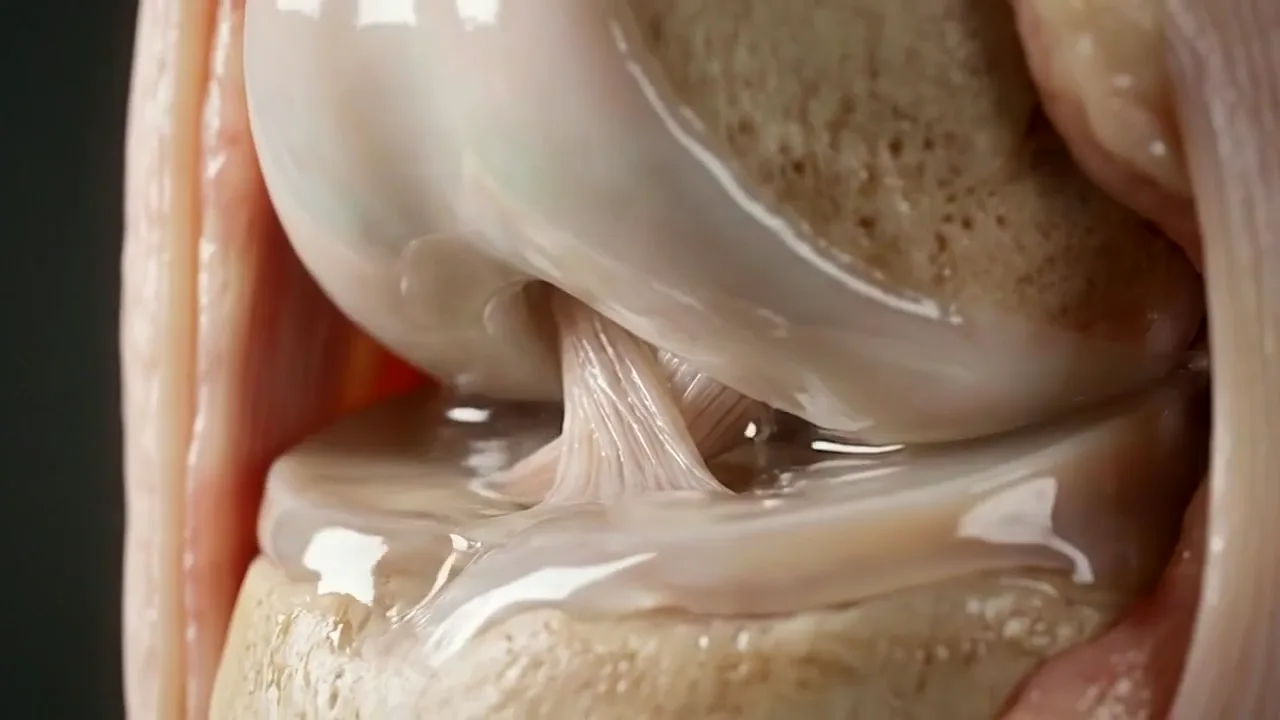
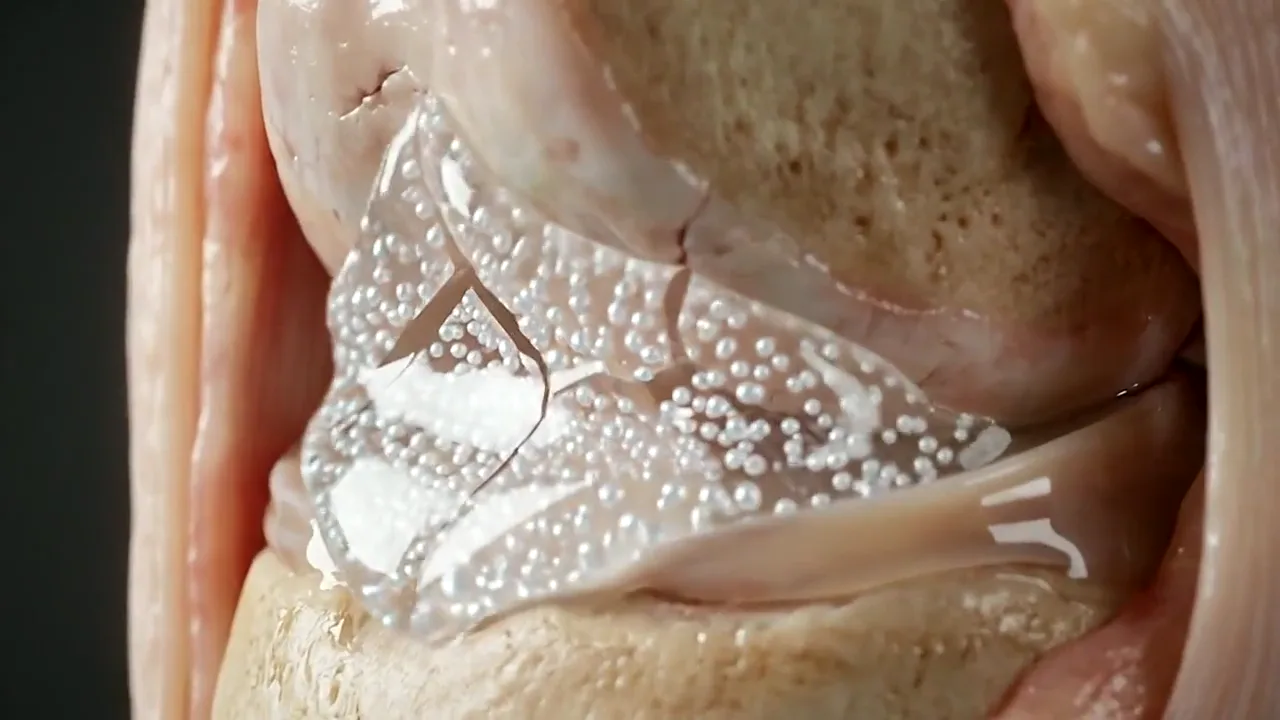
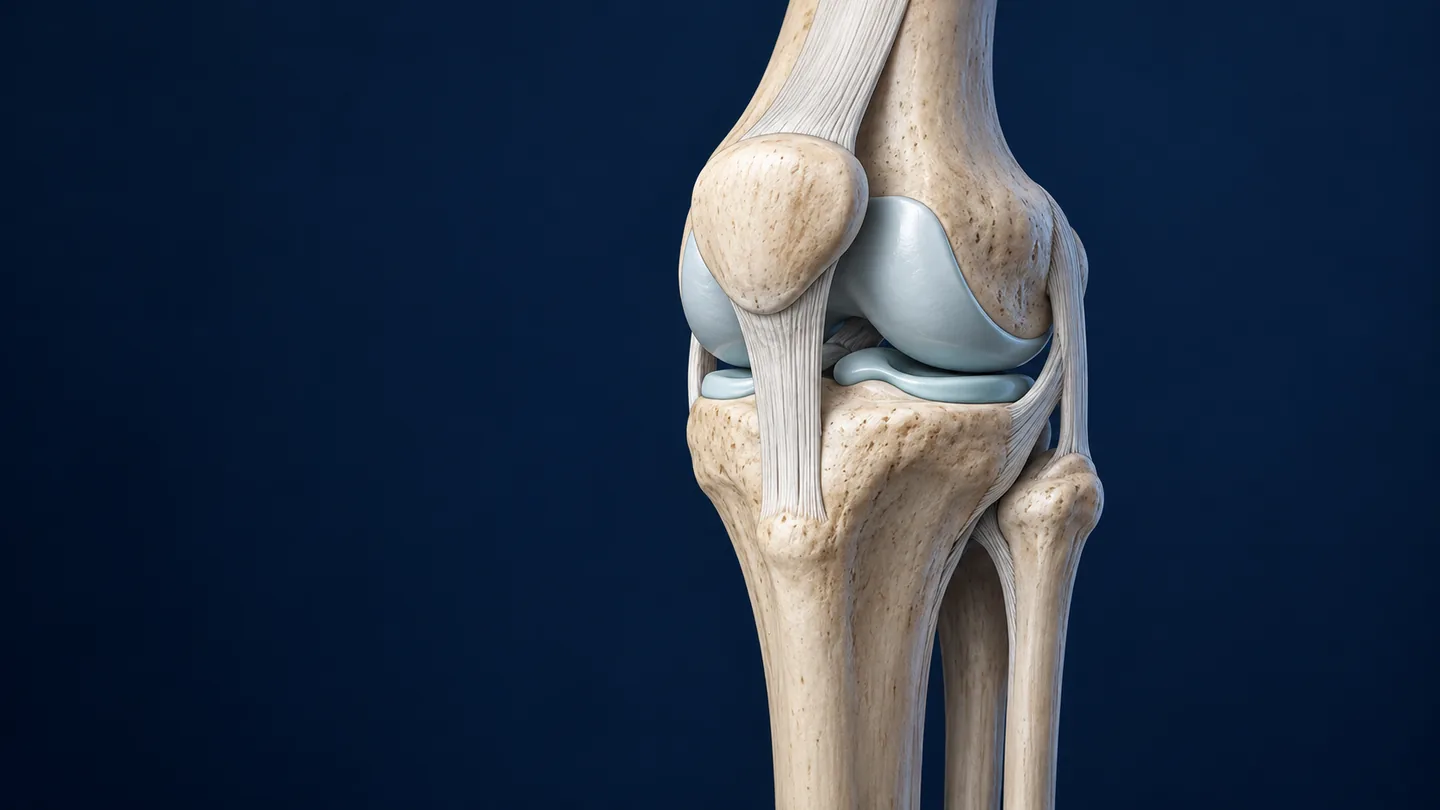
When Wharton's Jelly–derived mesenchymal stem cells (WJ-MSCs) are introduced into an arthritic joint via ultrasound-guided injection, they interact with the local tissue environment through multiple biological mechanisms that address the multi-tissue nature of osteoarthritis:
Anti-Inflammatory Cytokine Modulation
MSCs secrete a potent array of anti-inflammatory cytokines — including interleukin-10 (IL-10), transforming growth factor beta (TGF-β), tumor necrosis factor-stimulated gene 6 (TSG-6), and prostaglandin E2 (PGE2) — that suppress the pro-inflammatory mediators (TNF-α, IL-1β, IL-6) responsible for ongoing cartilage catabolism and synovial inflammation. This shift from a destructive to a reparative joint environment is fundamental to slowing osteoarthritis progression.
Chondroprotective Paracrine Signaling
MSCs release growth factors including insulin-like growth factor 1 (IGF-1), fibroblast growth factor 2 (FGF-2), and bone morphogenetic protein 7 (BMP-7) that support chondrocyte survival, promote proliferation, and stimulate biosynthesis of type II collagen and aggrecan — the essential structural components of healthy articular cartilage. This chondroprotective paracrine activity may help preserve remaining cartilage and support early-stage matrix repair.
Synovial Macrophage Polarization
Chronic arthritis involves persistent inflammation of the synovial membrane (synovitis), producing excess fluid, degradative enzymes, and inflammatory molecules that accelerate joint destruction. MSCs modulate synovial macrophage polarization — shifting pro-inflammatory M1 macrophages toward anti-inflammatory, reparative M2 phenotypes. This immunomodulation reduces synovitis, decreases effusion, and creates a less hostile environment for cartilage cell survival.
Subchondral Bone Homeostasis
Advanced osteoarthritis involves not just cartilage loss but also subchondral bone pathology — sclerosis, bone marrow lesions, subchondral cyst formation, and abnormal bone turnover. MSCs may contribute to improved bone homeostasis through osteoblast/osteoclast balance regulation, vascular support via VEGF secretion, and anti-fibrotic signaling that addresses bone marrow edema patterns.
Nociceptive and Neuropathic Pain Modulation
Beyond structural effects, MSCs modulate pain pathways through neuroimmune interactions and secretion of neurotrophic factors. This dual analgesic action addresses both nociceptive (tissue damage) and neuropathic (peripheral nerve sensitization) pain components that characterize chronic arthritis — often providing pain relief that conventional analgesics cannot achieve through biochemical means alone.
Senolytic and Anti-Aging Effects
Emerging research suggests MSCs may exert senolytic-like effects within the joint — helping to clear senescent chondrocytes that secrete inflammatory factors (the senescence-associated secretory phenotype, or SASP) and replacing them with healthier, metabolically active cells capable of maintaining cartilage homeostasis. This anti-aging mechanism aligns with broader longevity medicine principles applied specifically to joint health.