Multiple Sclerosis Stem Cell Therapy in Turkey

Advanced mesenchymal stem cell therapy and exosome therapy for multiple sclerosis in Istanbul, designed for patients seeking investigational regenerative support for autoimmune demyelination, neuroinflammation, and neurological function.

Wharton's Jelly MSCs · IV + Intrathecal + Intranasal · RRMS, SPMS & PPMS evaluation · MRI & EDSS-based review

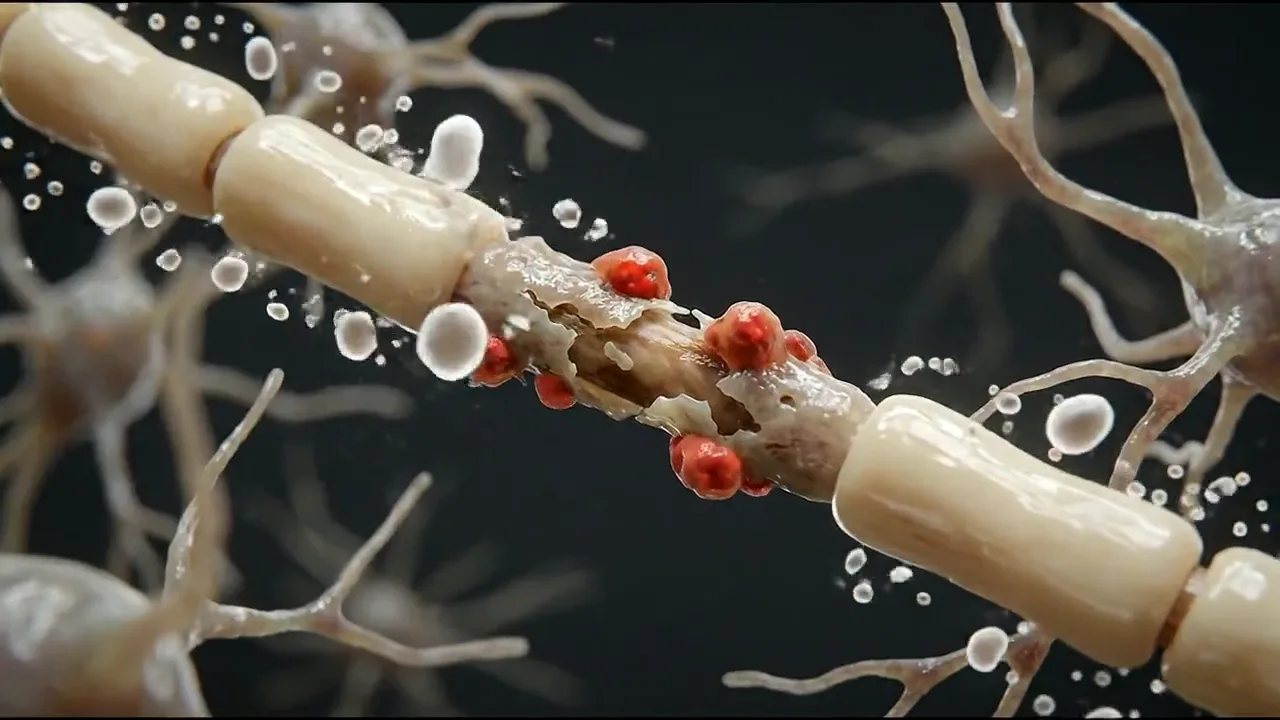
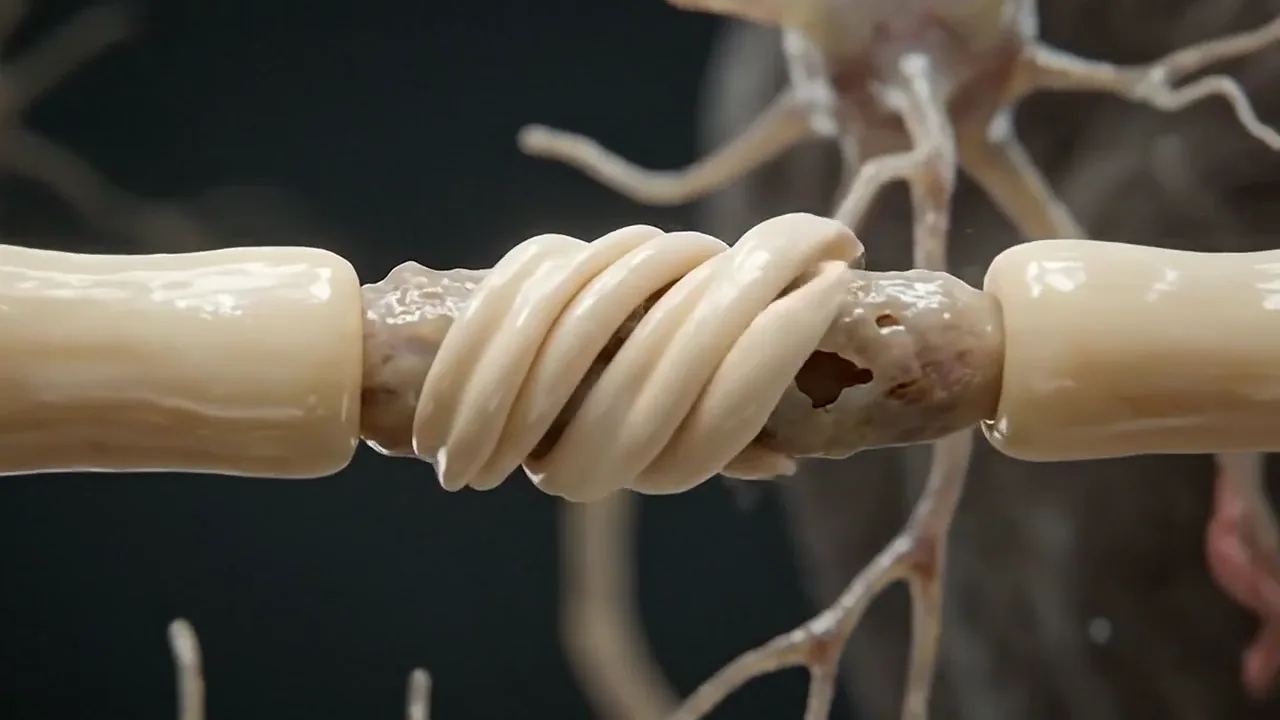
Illustrative animation of new myelin wrapping a damaged nerve fiber.

How treatment is delivered

Three routes. One plan.

For neurological conditions the route matters as much as the product. Your physician may combine intrathecal, intravenous and intranasal delivery in a single program, chosen after reviewing your history, imaging and goals.

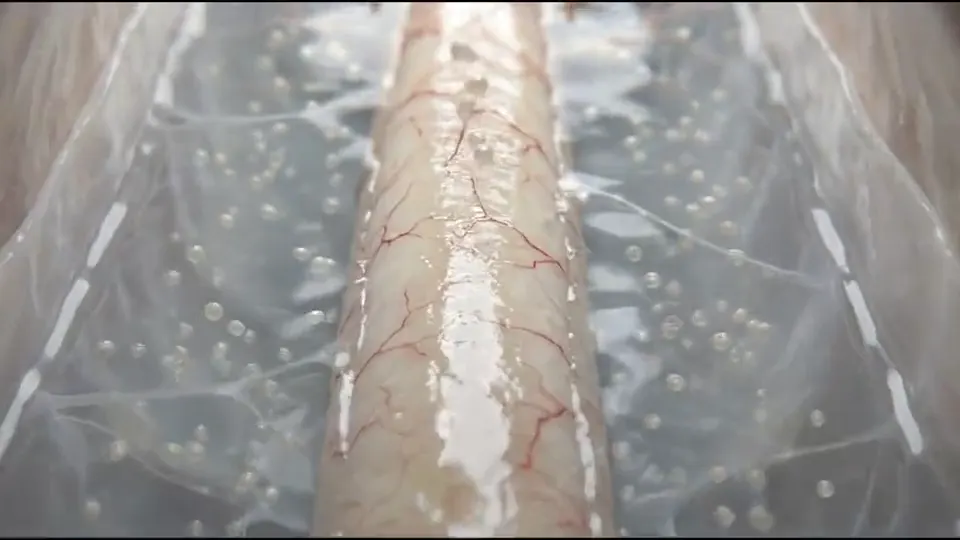
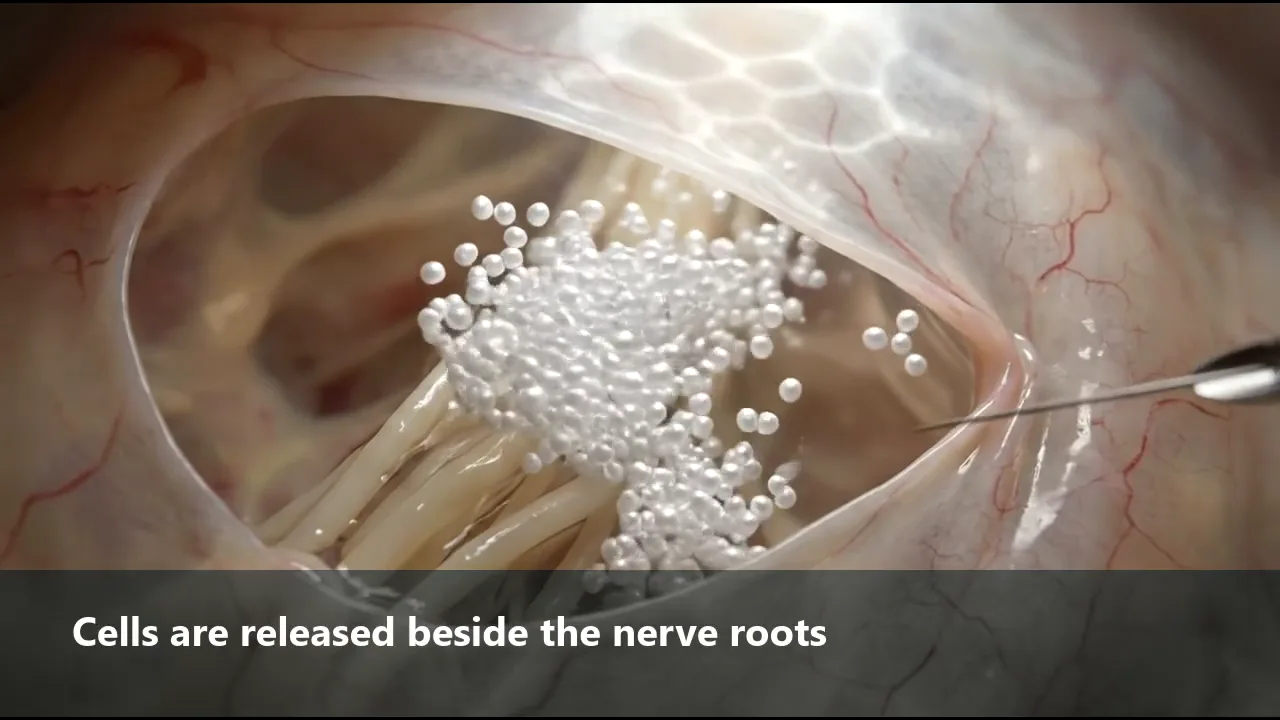
Illustration of cells travelling through clear spinal fluid along the spinal cord.
  1. Intrathecal Into the spinal fluid

    A physician places the preparation into the cerebrospinal fluid through a fine needle at the lower back, under sterile conditions. That fluid surrounds the spinal cord and the brain, which is why this route is central to these programs.

    • Performed by a physician
    • Sterile procedure room
    • Rest and observation afterwards
  2. Intravenous Through the bloodstream

    Stem cells and exosomes are given as a calm, monitored infusion. The circulation carries them through the body, where they are studied for their signalling and immune-modulating effects.

    • Infusion suite
    • Monitored throughout
    • Stem cells and exosomes
  3. Intranasal A simple nasal spray

    Exosomes are also given as a nasal spray. The route is studied because the olfactory nerve offers a short pathway toward the brain, and it needs no needle at all.

    • Needle-free
    • Shown to you in clinic
    • Exosome nasal spray

Your care, the science, your goals

Multiple sclerosis. A closer look.

Follow a visual journey from your assessment to the biological ideas being explored. These silent, illustrative films help you prepare for a personal conversation about care in Istanbul.

Illustrative animation of new myelin wrapping a damaged nerve fiber.
01 / 03
Illustrative animation of new myelin wrapping a damaged nerve fiber.

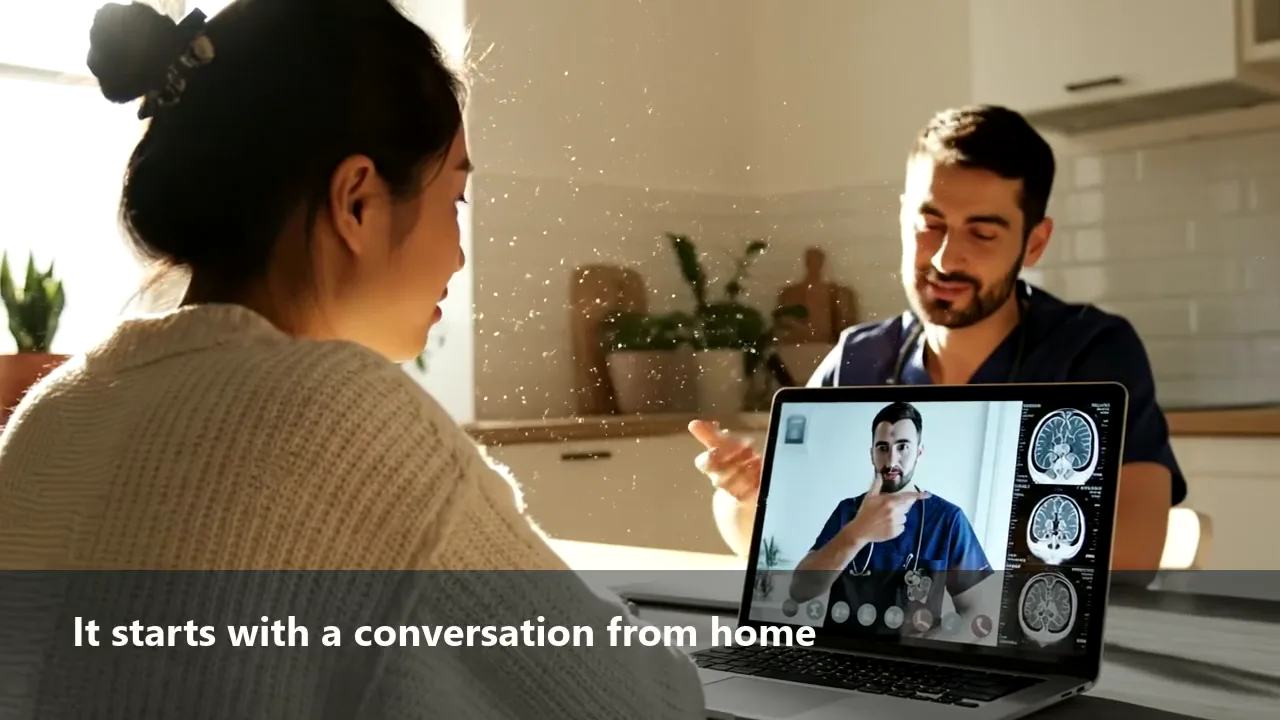
01 Your assessment

Start with what matters to you.

A conversation about multiple sclerosis begins with your health history, current care and what you hope to improve. Our Istanbul team can help you explore the next step in an individual medical review.

The scene introduces the subject of your assessment. Your own examination, investigations and care plan will be individual to you.

New myelin wrapping a damaged nerve fibre.

02 Inside the concept

Explore the conversation between cells.

The nervous system depends on communication between nerve cells and their surrounding support cells. Researchers investigate this environment, including inflammation and cellular signals. These ideas are distinct from evidence that a treatment restores neurological function.

  • Nerve cells
  • Supporting cells
  • Cell communication
A video consultation with the clinic's physician from home.

03 Your goals

Keep everyday life at the center.

Talk to us about the activities, comfort and wellbeing that matter most to you. A useful consultation connects those personal goals with realistic options, the available evidence and a clear plan for follow-up.

Discuss possible benefits, risks, alternatives and the possibility of no improvement before deciding.

How mechanisms are evaluated before clinical use

Your questions deserve a personal answer.

Request your free case review →Explore clinical studies →
MS Patients from 40+ Countries
Accredited Istanbul Facility
Neuroimmunology-Oriented Review
Advanced Cell Processing Standards

Living with multiple sclerosis?

Submit your MRI scans, EDSS score, relapse history, and current medication plan for a free evaluation.

Understanding Multiple Sclerosis

Multiple sclerosis (MS) is a chronic autoimmune neurological disease in which the immune system attacks myelin, the protective covering surrounding nerve fibers in the central nervous system. When myelin becomes inflamed or damaged, nerve signaling slows down or becomes disrupted, producing symptoms that can range from mild sensory disturbance to severe mobility impairment.

MS may present as relapsing-remitting MS (RRMS), secondary progressive MS (SPMS), or primary progressive MS (PPMS). Disease-modifying therapies remain central to conventional management, but they do not fully reverse established neurological injury. This is why many patients begin exploring mesenchymal stem cell therapy and exosome therapy as complementary regenerative strategies.

The Biology Behind MS: Why Patients Explore Regenerative Medicine

MS is not just a problem of damaged nerves. It is an immune-driven inflammatory process involving autoreactive T cells, B cells, cytokines, microglial activation, blood-brain barrier disruption, and progressive stress on axons and oligodendrocytes. In many patients, the immune system remains the main engine driving injury, even as disability gradually accumulates.

That is why interest in stem cell therapy for multiple sclerosis continues to grow. Patients are not only looking for symptomatic support. They are looking for strategies that may help regulate immune behavior, reduce neuroinflammatory activity, support a healthier CNS environment, and potentially improve neurological stability alongside formal neurological care.

Common Challenges MS Patients Face

Patients searching for MS stem cell therapy in Turkey often struggle with a combination of inflammatory, neurological, and functional issues:

Relapses and Inflammation

Many MS patients experience flare-like inflammatory episodes that can create new neurological symptoms or worsen existing deficits.

Mobility and Spasticity

Weakness, spasticity, gait instability, and coordination problems can interfere with walking, endurance, and independence.

Fatigue and Brain Fog

MS-related fatigue can be severe and disproportionate, often paired with reduced mental clarity, slower processing, and cognitive strain.

Bladder, Sensory, and Daily Function

Bladder urgency, numbness, neuropathic discomfort, balance issues, and visual symptoms can all reduce quality of life.

How Stem Cells May Support MS Treatment Goals

Wharton's Jelly mesenchymal stem cells (WJ-MSCs) are studied in MS because they may influence multiple disease-relevant pathways at the same time. Rather than acting like a narrow single-target medication, they are explored for broad immunomodulatory and neuro-supportive effects.

  • Immunomodulation of autoreactive T cells and B cells involved in myelin injury
  • Suppression of pro-inflammatory cytokines such as IL-17, TNF-alpha, and IFN-gamma
  • Promotion of regulatory T-cell activity that may support immune tolerance
  • Secretion of neurotrophic factors including BDNF, NGF, and GDNF
  • Support for oligodendrocyte precursor cell signaling and remyelination-oriented pathways
  • Microglial polarization away from inflammatory phenotypes toward more neuroprotective signaling
  • Blood-brain barrier support through anti-inflammatory and endothelial stabilizing effects
  • Neuroprotective signaling aimed at reducing secondary axonal stress in active disease states

Immune Modulation

Because MS is immune-mediated, one of the biggest reasons patients explore MSC therapy is its potential role in modulating autoreactive immune behavior. This includes interest in reducing inflammatory cascades, improving immune tolerance signaling, and supporting a less aggressive CNS inflammatory environment.

Neuroinflammation Reduction

Chronic CNS inflammation can worsen demyelination and create a hostile environment for neuronal tissue. MSC-based therapy is explored for anti-inflammatory signaling that may help calm this environment and reduce the intensity of inflammatory damage.

Myelin and Neuronal Support

MS patients are often interested in strategies that may support oligodendrocyte pathways, myelin-preservation mechanisms, and broader neuroprotective signaling. This is particularly relevant in patients concerned about progression, lesion accumulation, and long-term functional decline.

Exosome Therapy for Multiple Sclerosis

Exosome therapy is often discussed as an adjunctive part of regenerative MS protocols. Exosomes are nano-sized extracellular vesicles that may carry anti-inflammatory microRNAs, growth factors, and signaling proteins that interact with the neurological immune environment.

In MS, exosome therapy is explored because these vesicles may support CNS-targeted anti-inflammatory communication, microglial regulation, and neurotrophic signaling. Intranasal delivery is especially attractive for some patients because it offers a non-invasive route aimed at central nervous system access.

Diagnosed with Multiple Sclerosis?

Submit your brain and spine MRI, EDSS score, relapse history, current disease-modifying treatment, and neurologist reports for a personalized case review.

Why MS Patients Explore Regenerative Therapy

Not every patient is searching for the same outcome. Some are focused on inflammatory stabilization. Others are more concerned about progressive decline, fatigue, mobility, or quality of life. Common motivations include:

Immune Modulation Goals

Stem cell therapy is studied because MS is fundamentally an immune-mediated disease, not just a structural one.

Neuroinflammation Reduction

Ongoing CNS inflammation is a major target in regenerative MS protocols, especially when disease activity remains clinically important.

Myelin and Tissue Support

Patients often explore treatment in hopes of supporting a healthier environment for myelin preservation and neurological stability.

Broader Functional Goals

Many patients are seeking support for fatigue, mobility, balance, cognition, bladder symptoms, and progression-related decline.

Who May Be Eligible for MS Stem Cell Therapy in Turkey

Eligibility for multiple sclerosis treatment in Istanbul depends on the full neurological picture, not just the diagnosis label:

  • Patients with RRMS, SPMS, or PPMS seeking regenerative support alongside conventional neurological care
  • Patients with MRI evidence of demyelinating disease and documented neurological follow-up
  • Patients looking for support with inflammation-related symptoms, relapse burden, fatigue, mobility decline, or progression concerns
  • Patients whose current DMT plan, recent relapse history, and overall stability make treatment review medically reasonable
  • International patients able to provide MRI scans, EDSS data if available, medication history, and neurologist documentation

As a guide, most candidates have an EDSS score between 1.5 and 7.5, are fit to travel, and can tolerate IV infusion and, where consented, intrathecal injection. Final candidacy depends on MRI findings, relapse pattern, MS subtype, disability level, infection risk, medication status, and overall safety assessment.

Active malignancy, severe infection, pregnancy, and recent use of certain disease-modifying therapies (for example alemtuzumab within 12 months) require individual medical assessment. We coordinate DMT timing with your neurologist.

Your MS Treatment Journey in Istanbul

  1. 1

    Neurological Record Review

    Submit brain and spine MRI scans, EDSS score if available, relapse history, symptom profile, and current disease-modifying therapies for candidacy review.

  2. 2

    Personalized Protocol Design

    If appropriate, a tailored treatment outline is prepared based on disease pattern, route selection, timing, and realistic expectations.

  3. 3

    Treatment in Istanbul

    Protocols may include IV stem cell therapy, intrathecal administration, and selected exosome support depending on the case.

  4. 4

    Structured Follow-Up

    Follow-up may include neurological reassessment, symptom tracking, MRI comparison over time, and review of progression-related outcomes.

A Typical 5–7 Day MS Program

Day-by-day MS stem cell therapy program in Istanbul
DayWhat happens
Day 1Arrival in Istanbul, airport pickup, hotel check-in and evening medical intake.
Day 2Neurological assessment, labs, EDSS scoring, MRI review and final treatment plan.
Day 3First IV infusion of GMP-expanded Wharton's jelly MSCs (typically 100–200 million cells).
Day 4Intrathecal MSC injection under image guidance, where indicated and consented.
Day 5Second IV infusion, MSC-derived exosome adjunct, observation and departure briefing.

Programs fall within our neurological range of €9,000 – €25,000. See the stem cell therapy cost guide for what every quote includes.

Why International Patients Choose Istanbul

Patients seeking MS stem cell therapy in Turkey usually want a combination of neurological case review, regenerative medicine access, international travel support, and a better private treatment cost structure.

International Neurology Access

Istanbul offers strong private healthcare access for international patients seeking regenerative and neuroimmunology-oriented treatment options.

Advanced Regenerative Focus

Our programs combine MSC-based immune modulation with exosome-based neuroinflammatory support in a structured treatment pathway.

Case-by-Case Neurological Review

MS patients need individualized screening based on MRI activity, relapse history, EDSS level, DMT status, and disease subtype.

Cost Advantage

Turkey often offers a major cost advantage versus comparable private regenerative medicine programs in the US and UK.

Frequently Asked Questions About MS Stem Cell Therapy

A growing body of peer-reviewed evidence, including systematic reviews and Phase II trials, reports that mesenchymal stem cell (MSC) therapy can stabilize or improve EDSS scores, reduce relapse rate, and improve fatigue, walking distance and spasticity in relapsing-remitting and secondary-progressive MS. It is not a cure, but it is one of the better-studied regenerative options for MS.

Published outcomes show improvement or stabilization in fatigue, walking speed (T25FW) and EDSS in 50–70% of treated patients within 6–12 months. Many patients notice better energy and cognition within 4–8 weeks, with neurological changes continuing over 3–9 months. We do not promise a cure, a halt to progression, or any specific outcome.

No. Multiple sclerosis is a chronic autoimmune neurological disease without a known cure. Stem cell therapy is explored as an investigational regenerative strategy that may help modulate the overactive immune response, reduce neuroinflammation, support myelin preservation, and complement conventional neurological care. Outcomes vary significantly.

Our protocols focus on Wharton's Jelly–derived mesenchymal stem cells (WJ-MSCs), which are studied for their immunomodulatory, anti-inflammatory, and neuroprotective properties. These cells are relevant to MS because they may help regulate autoreactive immune activity while also supporting a more favorable environment for neuronal tissue and myelin health.

MS protocols may combine intravenous (IV) infusion for systemic immune modulation with intrathecal delivery for more direct central nervous system access. Some programs also include intranasal exosome delivery as a non-invasive adjunctive route aimed at neuroinflammatory and neurotrophic support.

Medication decisions must be coordinated carefully with the treating neurologist. We review current disease-modifying therapies, steroids, infusion medications, MRI activity, and relapse history before any protocol is considered. Stem cell therapy should not be approached as a casual replacement for neurologist-directed care.

Patients with relapsing-remitting MS (RRMS), secondary progressive MS (SPMS), and primary progressive MS (PPMS) may all be evaluated, but candidacy and expectations differ by disease pattern. RRMS patients with ongoing inflammatory activity are often assessed differently from long-standing progressive cases with fixed disability.

Patients commonly seek support for relapse reduction goals, inflammatory stabilization, fatigue, spasticity, balance, coordination, bladder function, mobility, sensory symptoms, and cognitive clarity. Some also hope to slow progression or improve daily function. Results vary based on disease duration, lesion burden, disability level, and individual biology.

MS programs at TurkeyStemcell fall within our neurological program range of €9,000 to €25,000, depending on the number of IV sessions, whether intrathecal application is included, and exosome adjuncts. This covers the medical protocol, hospital day(s), monitoring, airport transfers and patient coordination; hotel and flights are quoted separately. Comparable US and EU protocols typically cost US$60,000–US$120,000.

In MS, autoreactive T cells and B cells cross the blood-brain barrier and attack myelin sheaths, triggering inflammatory demyelination. Cytokines such as IL-17, TNF-alpha, and IFN-gamma amplify damage while microglial activation contributes to ongoing neuroinflammation. This is one reason regenerative and immunomodulatory strategies are being explored.

Exosomes are nano-sized extracellular vesicles that may carry anti-inflammatory microRNAs, neurotrophic signals, and immunomodulatory proteins. In MS protocols, they are often discussed as an adjunctive strategy for neuroinflammatory modulation, microglial signaling support, and CNS-targeted regenerative support.

A standard MS program takes 5 to 7 days in Istanbul: arrival and intake, neurological assessment, IV infusions, intrathecal application where indicated, and a departure briefing. Patients then receive structured remote follow-up for 12 months.

Safety depends on careful screening. Disease activity, recent relapses, MRI findings, infection risk, bladder function, mobility limitations, medication burden, and general neurological stability all matter. Mesenchymal stem cell therapy has shown a favorable safety profile in many clinical settings, but each MS case still requires individualized review.

Yes, some patients return for additional treatment cycles based on MRI trends, relapse history, disability trajectory, and response to the initial program. Repeat treatment decisions should be individualized rather than automatic.

Patients with secondary progressive (SPMS) and primary progressive (PPMS) MS can be evaluated for regenerative protocols, but candidacy and realistic expectations differ from relapsing-remitting MS. Progressive MS involves substantial accumulated neurodegeneration and demyelination, so the goals are typically inflammation stabilization, fatigue and spasticity support, and slowing decline rather than reversing fixed disability. Patients with active inflammatory lesions on MRI generally show more measurable responses than those with purely degenerative, non-active disease.

HSCT (hematopoietic stem cell transplantation) is an intensive chemotherapy-based protocol that ablates and reboots the immune system using the patient's own bone marrow stem cells — effective for aggressive RRMS but carrying significant treatment-related risks, including infection, infertility, and rare mortality. MSC (mesenchymal stem cell) therapy is a minimally invasive IV/intrathecal infusion of immunomodulatory cells without chemotherapy, hospitalization, or immune ablation — a fundamentally different mechanism focused on modulating rather than rebooting immunity, with a much milder safety profile.

Fatigue, cognitive fog, and reduced processing speed are among the most disabling MS symptoms and often the first to respond to immunomodulatory regenerative protocols. Many patients report improved energy, mental clarity, and reduced inflammatory "flu-like" fatigue within 4–12 weeks of treatment as neuroinflammation subsides. Cognitive gains tend to develop more gradually over 3–6 months. Results vary based on lesion burden, disease duration, sleep quality, and concurrent medications.

Medical Disclaimer

Stem cell therapy for multiple sclerosis is investigational. Results vary significantly. Treatment does not replace neurologist care, MRI monitoring, or disease-modifying therapies when medically indicated.

Free case reviewIstanbul, TurkeyReply within 24–48 hoursStem cells & exosomes

Exploring Regenerative Options for MS?

Submit your MRI scans and neurological records for a free evaluation. Istanbul offers a major cost advantage compared with many US or UK private clinics.

Or call directly: +90 534 856 92 92

Animations are optional.

Optional analytics is off until you choose.

May we use Google Analytics cookies to count interactions such as consultation requests and contact-button clicks? Your choice is optional and does not affect access to our services. You can change it here at any time. Read our privacy policy.