
Crohn's Disease Stem Cell Therapy in Turkey

Supportive regenerative medicine for Crohn's disease, inflammatory bowel disease, and perianal fistulizing Crohn's disease in Istanbul. Our approach focuses on mesenchymal stem cell therapy, exosome therapy, and broader support for inflammatory modulation, mucosal healing, and quality of life in carefully reviewed patients.

Crohn's + Fistula SupportGastroenterology-Oriented ReviewInternational Patient Care
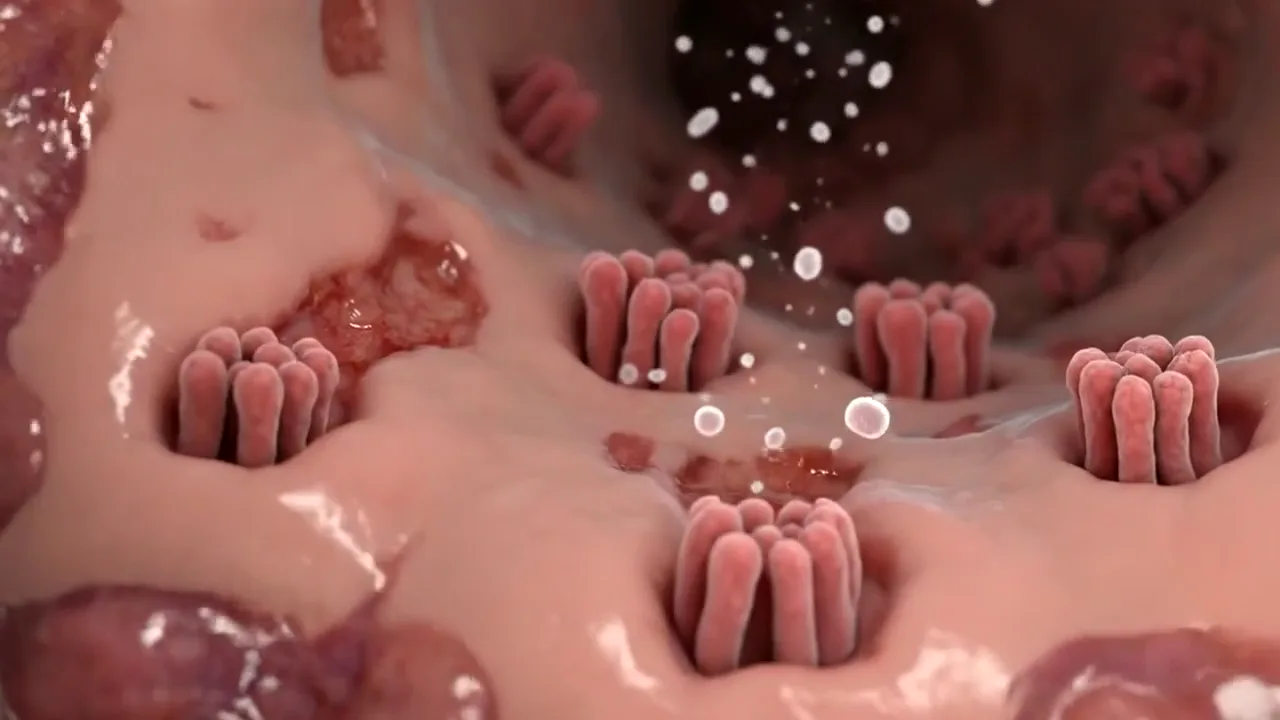
Illustrative animation of an inflamed intestinal lining healing.

Your care, the science, your goals

Crohn's disease. A closer look.

Follow a visual journey from your assessment to the biological ideas being explored. These silent, illustrative films help you prepare for a personal conversation about care in Istanbul.

Illustrative animation of an inflamed intestinal lining healing.
01 / 03
Illustrative animation of an inflamed intestinal lining healing.

01 Your assessment

Start with what matters to you.

A conversation about crohn's disease begins with your health history, current care and what you hope to improve. Our Istanbul team can help you explore the next step in an individual medical review.

The scene introduces the subject of your assessment. Your own examination, investigations and care plan will be individual to you.
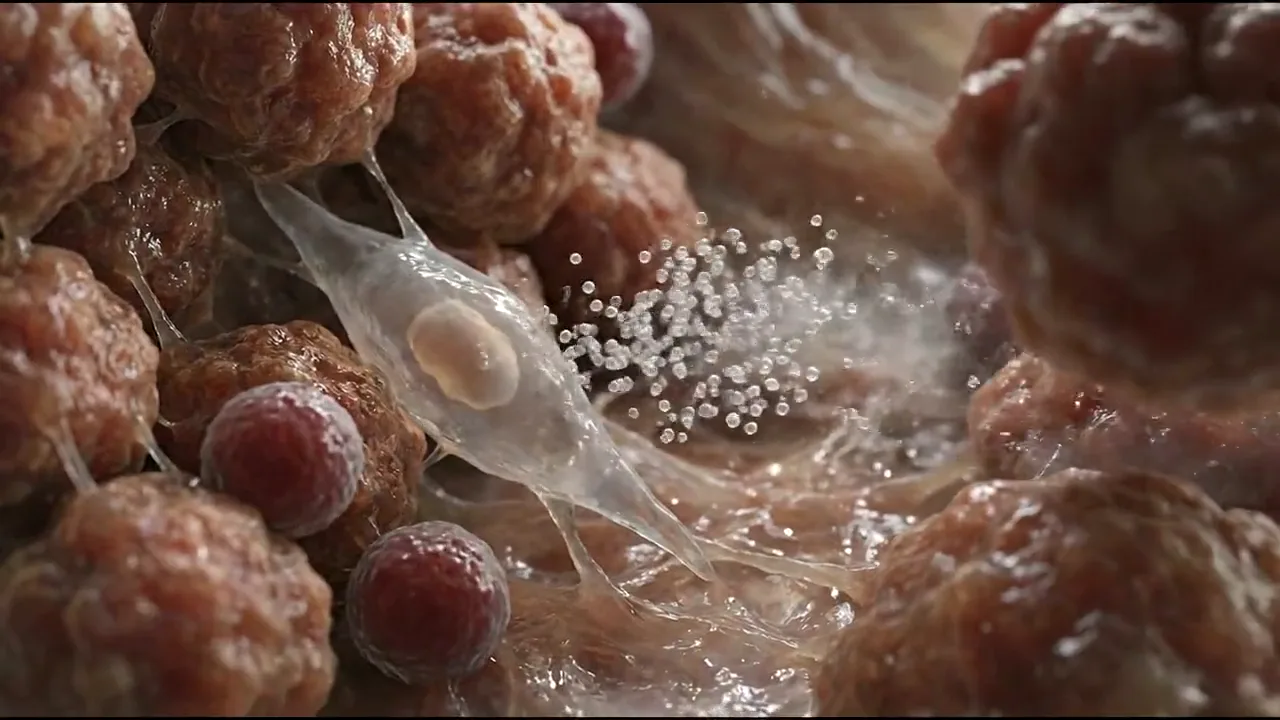

A stem cell releasing a cloud of tiny vesicles towards neighbouring cells.

02 Inside the concept

Understand the immune conversation.

Immune cells respond to signals from their surroundings. Researchers study whether cell-derived signals can influence these responses. Your specialist can explain the evidence for your diagnosis and how any proposed approach relates to your current care.

  • Immune response
  • Cell signals
  • Individual assessment
A video consultation with the clinic's physician from home.

03 Your goals

Keep everyday life at the center.

Talk to us about the activities, comfort and wellbeing that matter most to you. A useful consultation connects those personal goals with realistic options, the available evidence and a clear plan for follow-up.

Discuss possible benefits, risks, alternatives and the possibility of no improvement before deciding.

How mechanisms are evaluated before clinical use

Your questions deserve a personal answer.

Request your free case review →Explore clinical studies →
International IBD Patients
Accredited Medical Setting
GI-Oriented Review
Advanced Regenerative Support
Quality-of-Life Focus

What Is Crohn's Disease?

Crohn's disease is a chronic inflammatory bowel disease that can affect any part of the gastrointestinal tract, although it often involves the terminal ileum and colon. Unlike some other inflammatory bowel conditions, Crohn's is known for transmural inflammation, meaning the inflammation can involve deeper layers of the bowel wall.

This deeper inflammatory pattern is one reason Crohn's may lead to complications such as strictures, fistulas, abscesses, malabsorption, weight loss, abdominal pain, diarrhea, fatigue, and repeated disease flares that severely affect daily life.

Patients often begin researching stem cell therapy for Crohn's disease after biologic failure, incomplete remission, recurring inflammation, or concern about long-term intestinal damage and fistula formation.

Common Challenges in Crohn's Disease

The disease burden of Crohn's goes far beyond stomach pain. Many patients are managing chronic inflammation, frequent bowel symptoms, anxiety around eating and travel, nutrition problems, and the emotional fatigue of never feeling fully stable.

Chronic Inflammatory Burden

Crohn's disease often involves recurring intestinal inflammation, abdominal pain, diarrhea, fatigue, poor appetite, and periods of instability that can disrupt daily life.

Transmural Disease and Complications

Because Crohn's can affect the full thickness of the bowel wall, some patients develop strictures, fistulas, abscesses, nutritional compromise, and more complicated disease patterns.

Perianal Fistulizing Disease

Perianal fistulas remain one of the most difficult Crohn's complications to manage, which is why regenerative treatment interest is especially strong in this subgroup.

Why Patients Seek More Options

Many patients explore regenerative medicine after biologic failure, incomplete symptom control, chronic flare cycles, repeated hospital visits, or concern about long-term disease progression.

Why Patients Explore Regenerative Medicine for Crohn's Disease

Standard Crohn's care remains essential and can be highly effective. Biologics, immunomodulators, corticosteroids, nutritional support, and surgery all have an important role. But many patients still live with chronic inflammatory burden, incomplete response, or a cycle of temporary improvement followed by relapse.

This is why some patients begin exploring mesenchymal stem cell therapy and exosome therapy as complementary strategies. The interest is not simply whether symptoms can be suppressed. It is whether the inflammatory environment, mucosal healing potential, immune balance, and local tissue-support pathways can be improved in a more regenerative direction.

This becomes especially relevant in perianal fistulizing Crohn's disease, where standard treatment often remains difficult and incomplete.

How Mesenchymal Stem Cells May Support Crohn's Disease

Mesenchymal stem cells (MSCs) are studied in Crohn's disease because of their anti-inflammatory, immunomodulatory, and tissue-support signaling properties. The goal is not to claim that Crohn's can be erased, but to explore whether the biological environment driving inflammation can be made more favorable in selected patients.

Immune Modulation

Crohn's involves an overactive immune response. MSCs are of interest because of their relevance to immune balance and inflammatory signaling pathways.

Mucosal Healing Support

One of the most important goals in inflammatory bowel disease management is mucosal healing. MSC-based strategies are explored for their possible role in supporting the tissue environment needed for intestinal repair.

Fistula-Focused Interest

Crohn's-related perianal fistulas are among the strongest areas of clinical interest in the stem cell field because local healing remains difficult with standard care alone.

Quality-of-Life Relevance

Patients do not just want lower lab markers. They want more stable bowel function, less pain, better nutrition, fewer flares, and the ability to live without constantly planning around disease activity.

  • Mesenchymal stem cells are studied for their anti-inflammatory and immunomodulatory properties rather than as a guaranteed cure.
  • They are of interest in Crohn's disease because of their relevance to immune balance, inflammatory signaling, and mucosal healing support.
  • They may help support a healthier intestinal environment through broader tissue-signaling and repair-related pathways.
  • They are also discussed in relation to fistulizing disease because local healing support is one of the strongest areas of clinical interest.
  • Exosomes are of interest because they carry signaling molecules involved in inflammation regulation and regenerative communication pathways.
  • Supportive regenerative protocols are generally considered alongside gastroenterology management, not instead of it.

Exosome Therapy for Crohn's Disease

Exosomes are signaling vesicles released by cells, including mesenchymal stem cells, and they carry molecules involved in inflammation modulation, tissue communication, and regenerative signaling pathways. In gastrointestinal regenerative care, exosome therapy is sometimes discussed as part of a broader strategy for inflammatory support and healing-oriented tissue signaling.

Exosome-based support remains part of an evolving regenerative medicine landscape and should be approached with realistic expectations, careful screening, and clear medical communication.

Living with Crohn's Disease?

Share your colonoscopy reports, imaging, medication history, and current disease challenges for a confidential no-obligation review. We can help determine whether your case appears appropriate for further regenerative medicine discussion.

Who May Be Eligible for Crohn's Stem Cell Therapy in Turkey

Not every Crohn's patient is automatically a candidate. Suitability depends on disease location, inflammatory activity, fistula status, infection risk, medication history, prior surgery, travel readiness, and the overall medical picture.

  • Patients with confirmed Crohn's disease and persistent symptoms despite standard treatment
  • Patients with refractory disease or incomplete response to biologics
  • Selected patients with fistulizing Crohn's disease who want imaging and records reviewed
  • Patients medically stable enough for travel and treatment planning
  • International patients looking for a structured Crohn's case review in Istanbul before deciding on treatment

A careful review is especially important in complex cases involving abscess risk, severe malnutrition, active infection, highly unstable disease, or uncertainty about the dominant source of symptoms.

Why International Patients Choose Istanbul for Crohn's Treatment

Patients comparing Crohn's treatment in Turkeyare usually looking for a combination of practical travel logistics, serious record review, treatment accessibility, and cost efficiency.

International Medical Travel Hub

Istanbul combines private healthcare access, international flight connectivity, and practical short-stay planning for patients traveling for treatment evaluation.

Focused Record Review

Patients can often begin with remote review of colonoscopy findings, biologic history, and imaging before deciding whether travel makes sense.

International Accessibility

Many international patients compare Turkey because it offers practical treatment access and often more cost-efficient planning than certain private-sector options abroad.

Practical Short-Stay Planning

For many patients, evaluation, treatment discussion, and initial follow-up can be coordinated within a manageable Istanbul visit.

Your Crohn's Treatment Journey in Istanbul

  1. Medical Record Review: Send colonoscopy findings, imaging, biologic history, blood work, and a short symptom summary for screening.
  2. Case Assessment: We review whether the disease pattern appears suitable for supportive regenerative medicine discussion, including whether fistula-focused evaluation is relevant.
  3. Treatment Planning: If appropriate, a proposed plan is outlined based on disease complexity, goals, and medical history.
  4. Travel to Istanbul: Patients coordinate a short stay for treatment, observation, and immediate follow-up discussion.
  5. Post-Treatment Guidance: Patients receive follow-up recommendations and are encouraged to continue close gastroenterology care.

What Documents You Should Send for Evaluation

The quality of the review depends heavily on the quality of the records. The more complete the documentation, the more precise the discussion can be.

  • Colonoscopy or endoscopy report
  • Biopsy or pathology findings if available
  • MRI or pelvic imaging for fistula cases
  • Medication and biologic treatment history
  • Recent blood work and inflammatory markers
  • Surgery history if applicable
  • Short summary of symptoms and goals

Benefits Patients Commonly Hope For

Patients researching stem cell therapy for Crohn's diseasecommonly hope for a combination of clinical and quality-of-life improvements:

  • Reduced flare frequency
  • Improved bowel comfort and daily stability
  • Support for mucosal healing
  • Reduced inflammatory burden
  • Support for fistula healing in selected cases
  • Better energy and improved quality of life

Important: results vary significantly. No improvement can be guaranteed, and Crohn's disease remains a complex chronic condition that requires long-term specialist care.

Safety, Limitations, and Realistic Expectations

Patients should approach regenerative medicine for Crohn's disease with both hope and realism. Stem cell therapy is not a universal answer, not every patient is a candidate, and outcomes can vary widely based on inflammatory burden, disease duration, fistula complexity, prior biologic history, nutrition status, and overall medical stability.

It is especially important to understand that regenerative treatment should not replace gastroenterology care. Significant bleeding, fever, worsening pain, suspected abscess, obstruction symptoms, or major nutritional decline require direct specialist evaluation through appropriate medical channels.

Explore Whether Your Crohn's Case Is a Fit

Our team can review your Crohn's history, colonoscopy reports, imaging, and treatment background to tell you whether the case appears suitable for further regenerative medicine discussion.

Free Medical ReviewNo ObligationInternational Patient Support

Frequently Asked Questions

No current treatment cures Crohn's disease. Stem cell therapy is explored as a supportive regenerative strategy to modulate inflammatory activity, support mucosal healing, and improve the tissue environment in selected patients. It should not be presented as a replacement for gastroenterology care.

Regenerative protocols commonly focus on mesenchymal stem cells because of their anti-inflammatory and immunomodulatory properties. These cells are studied for their relevance to immune balance, tissue-support signaling, and in some settings local healing strategies for fistulizing disease.

Crohn's-related perianal fistulas are one of the most discussed applications of mesenchymal stem cells in gastroenterology. Local MSC-based treatment strategies have drawn significant clinical interest because fistulas are often difficult to manage with standard treatment alone. Suitability depends on imaging, anatomy, disease activity, and infection control.

Depending on the case, regenerative protocols may include intravenous delivery for broader immunomodulatory support, and in selected fistulizing disease cases, targeted local treatment approaches may also be discussed. The route depends on disease location, severity, prior biologic history, imaging, and clinical goals.

Exosome therapy is sometimes discussed in regenerative medicine because exosomes carry signaling molecules involved in inflammation modulation, tissue communication, and repair-related pathways. In Crohn's disease, exosome-based support remains part of an evolving field and should be approached with careful screening and realistic expectations.

Patients commonly hope for reduced flare frequency, improved bowel comfort, lower inflammatory burden, better energy, support for mucosal healing, and in fistulizing disease, support for local tissue healing. Outcomes vary substantially from one patient to another.

Potential candidates may include patients with refractory Crohn's disease, incomplete response to biologics, chronic inflammatory burden affecting quality of life, or selected fistulizing disease cases who want their records reviewed. Candidacy always requires individualized screening.

Useful records usually include colonoscopy reports, biopsy findings if available, MRI or pelvic imaging for fistula cases, medication history, biologic treatment history, blood work, surgery history, and a short summary of current symptoms and treatment goals.

Pricing depends on the complexity of the case, whether the discussion involves systemic support alone or fistula-focused planning, and the structure of the overall protocol. Many international patients compare Istanbul because treatment planning is often more cost-efficient than certain private-sector options in Western Europe or the United States.

No. Regenerative medicine should be viewed as a possible complementary strategy, not a replacement for standard gastroenterology care. Medication changes should only happen under the supervision of the physician already managing the disease.

Medical Disclaimer

Stem cell therapy and exosome therapy for Crohn's disease are generally considered investigational or evolving regenerative approaches for most indications. This page is for educational purposes and does not replace individualized medical advice, diagnosis, or treatment from a licensed physician. Patients should not stop or alter standard treatment without medical supervision.

Free case reviewIstanbul, TurkeyReply within 24–48 hoursStem cells & exosomes

Ready to Explore Your Treatment Options?

Schedule a free, no-obligation consultation with our regenerative medicine specialists. We treat patients from over 40 countries.

Or call directly: +90 534 856 92 92

Animations are optional.

Optional analytics is off until you choose.

May we use Google Analytics cookies to count interactions such as consultation requests and contact-button clicks? Your choice is optional and does not affect access to our services. You can change it here at any time. Read our privacy policy.