TurkeyStemcell offers advanced exosome therapy protocols using highly purified MSC-derived extracellular vesicles. Our cell-free regenerative medicine programs deliver targeted paracrine signaling for tissue repair, neurological support, immunomodulation, and systemic rejuvenation—serving international patients from over 40 countries at our GMP-certified Istanbul clinic.
Follow a visual journey from your assessment to the biological ideas being explored. These silent, illustrative films help you prepare for a personal conversation about care in Istanbul.
01 / 03
01 Your assessment
Start with what matters to you.
A conversation about exosome treatment begins with your health history, current care and what you hope to improve. Our Istanbul team can help you explore the next step in an individual medical review.
The scene introduces the subject of your assessment. Your own examination, investigations and care plan will be individual to you.
02 Inside the concept
Small signals. A complex response.
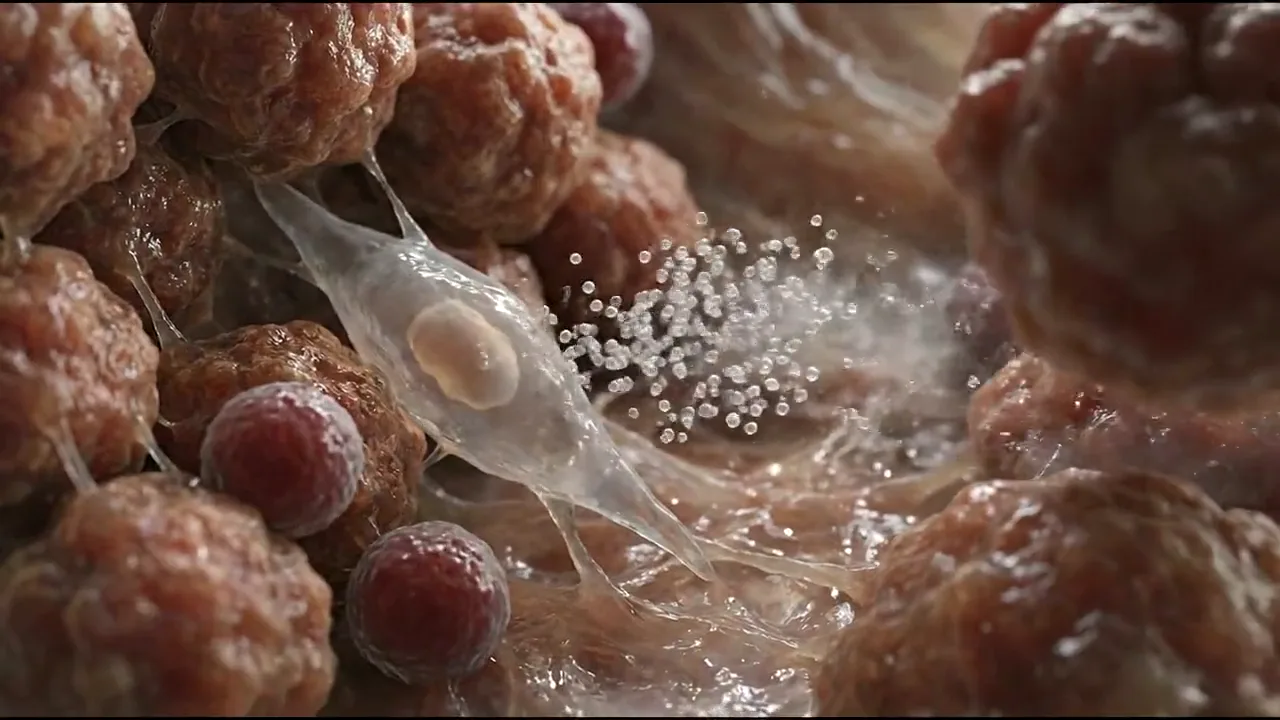
Cells release signals that can influence neighboring cells. Regenerative medicine studies these interactions and their possible clinical uses. The tissue, the product and the condition all matter when evaluating a proposed treatment.
Cells and signals
Tissue environment
Clinical evidence
03 Your goals
Keep everyday life at the center.
Talk to us about the activities, comfort and wellbeing that matter most to you. A useful consultation connects those personal goals with realistic options, the available evidence and a clear plan for follow-up.
Discuss possible benefits, risks, alternatives and the possibility of no improvement before deciding.
Exosome therapy is an advanced, cell-free regenerative medicine approach that harnesses the signaling power of nanoscale extracellular vesicles derived from mesenchymal stem cells (MSCs). Unlike traditional stem cell therapy in Turkey, which delivers living cells that engraft in tissues, exosome therapy delivers concentrated regenerative signals—proteins, growth factors, messenger RNA, and microRNA—without the cells themselves.
At TurkeyStemcell, our exosome therapy protocols use highly purified exosome-rich secretomes isolated from umbilical cord Wharton's Jelly-derived MSCs in our GMP-certified Istanbul laboratory. This cell-free approach offers unique advantages for patients seeking regenerative medicine treatments in Turkey, including rapid signaling delivery, enhanced blood-brain barrier penetration, batch-to-batch consistency, and an excellent safety profile with no risk of unwanted cell differentiation.
What Are Exosomes in Regenerative Medicine?
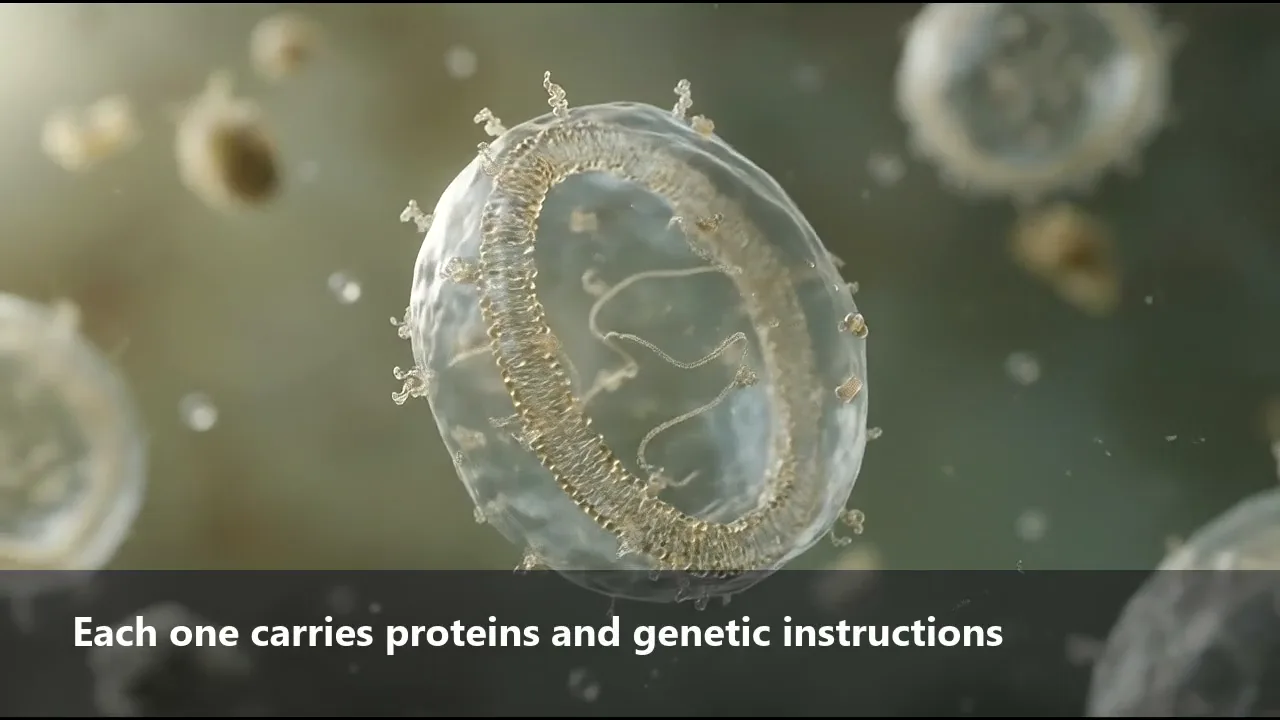
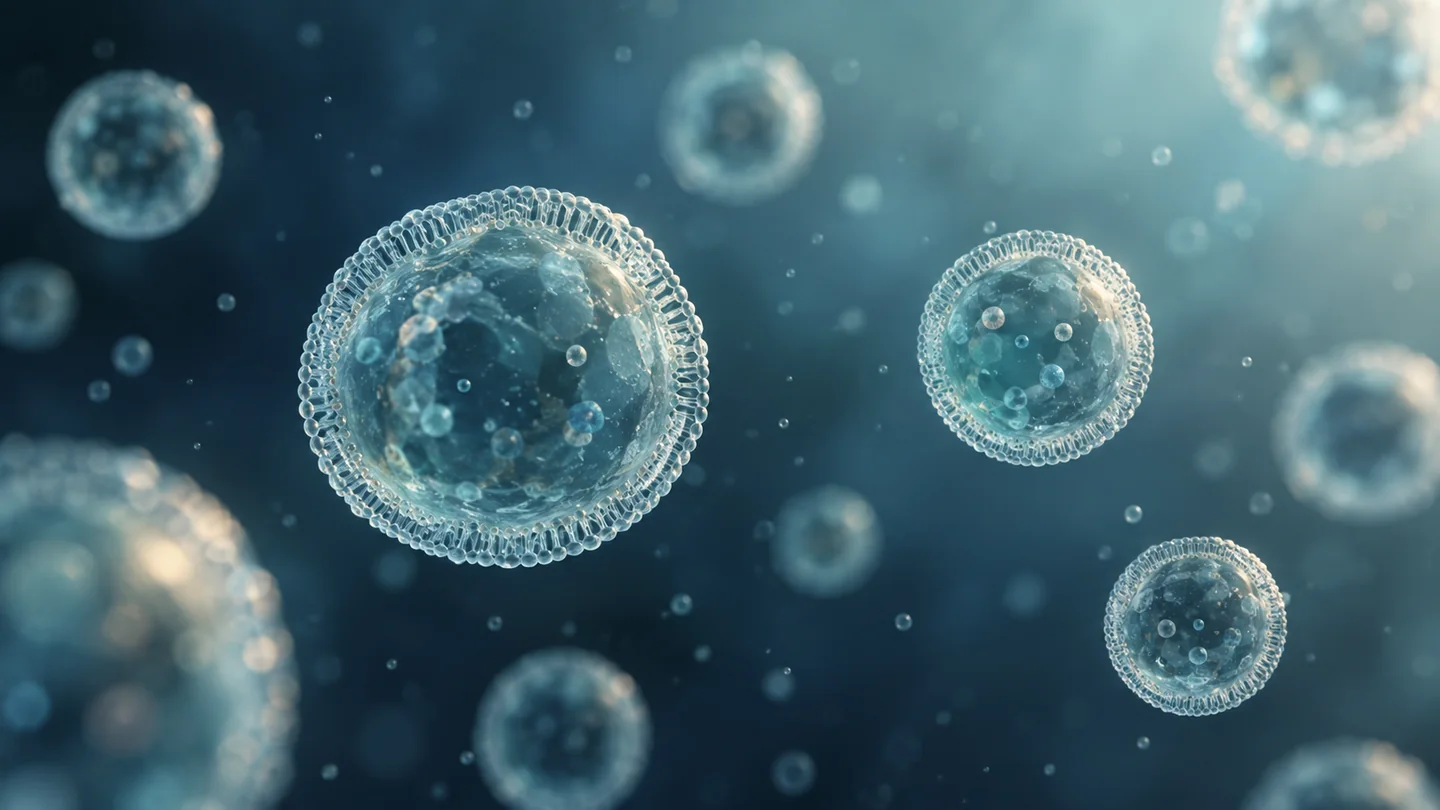
Exosomes are nanoscale extracellular vesicles (30–150 nanometers in diameter) naturally secreted by cells as part of their intercellular communication system. These vesicles function as biological "delivery packages" carrying a rich cargo of bioactive molecules that influence recipient cell behavior, gene expression, and tissue homeostasis:
Anti-Inflammatory Cytokines: IL-10, IL-1Ra, TGF-β, and other immunomodulatory mediators that help resolve chronic inflammation and suppress inflammatory cascades
MicroRNAs: Regulatory molecules (miR-21, miR-146a, miR-155, miR-124, miR-181) that modulate gene expression in recipient cells, influencing inflammatory, apoptotic, fibrotic, and regenerative pathways
Surface Proteins: Tetraspanins (CD9, CD63, CD81) and integrins that enable targeted cellular uptake, tissue-specific homing, and receptor-mediated endocytosis
Messenger RNA (mRNA): Functional mRNA transcripts that can be translated into proteins by recipient cells, extending the regenerative signaling window beyond the exosomes' initial delivery
Lipid Mediators: Bioactive lipids including sphingomyelin and ceramide that contribute to membrane fusion, signal transduction, and anti-apoptotic protection in target cells
When derived from young, biologically active umbilical cord Wharton's Jelly MSCs, exosomes carry exceptionally potent regenerative signaling capacity—significantly more potent than exosomes from aged, adult-derived cell sources. This biological advantage is a cornerstone of our advanced regenerative medicine treatment programs in Turkey.
How Exosome Therapy Works — Explained Simply
Exosomes sound complicated, but the idea is simple: they are tiny natural "messenger packets" released by stem cells. Each one carries the healing instructions of a young, healthy cell — and your body knows exactly how to use them. Here's what that means for patients researching exosome therapy in Turkey, comparing cost, or choosing between exosomes and stem cell therapy in Istanbul.
1. They Deliver Concentrated Healing Signals
Exosomes carry the same growth factors and anti-inflammatory messages that stem cells release — but in a cell-free, ultra-concentrated form. That's why many patients with joint pain, arthritis, sports injuries, and skin or hair loss concerns see noticeable improvements within weeks of treatment.
2. They Calm Inflammation Throughout the Body
Chronic inflammation is the root of many modern conditions. Exosomes help "switch off" overactive immune signals — which is why our team often recommends exosome therapy as part of treatment plans for autoimmune conditions, gut inflammation, and long-term joint problems.
3. They Can Reach the Brain
Because exosomes are nano-sized, they can cross the blood-brain barrier — something most medications cannot do. This is why exosome therapy is increasingly part of programs for neurological conditions, Alzheimer's, Parkinson's, autism support, and brain-fog recovery. At TurkeyStemcell we also offer intranasal exosome delivery for direct brain access.
4. They Pair Perfectly with Stem Cell Therapy
Many of our Istanbul patients combine Wharton's Jelly stem cell therapy with exosomes for a faster-acting, longer-lasting result — the stem cells do the long-term rebuilding while exosomes deliver an immediate signaling boost.
Want the technical detail? See the full secretome biology — paracrine signaling, FoxP3+ Treg induction, M1→M2 macrophage polarization, miR-124/miR-146a cargo, and BBB transcytosis — on our stem cell science page.
How Exosome Therapy Differs From Stem Cell Therapy
Both mesenchymal stem cell therapy in Turkey and exosome therapy harness regenerative signaling, but they differ in important ways that influence clinical decision-making. Understanding these differences helps patients and referring physicians determine the optimal approach—or combination—for each condition:
Feature
Stem Cell Therapy
Exosome Therapy
Delivery
Living MSCs that engraft in tissues
Cell-free extracellular vesicles (30–150 nm)
Mechanism
Continuous paracrine signaling + engraftment
Concentrated one-time secretome delivery
BBB Crossing
Limited due to cell size (~15–30 μm)
Enhanced via transcytosis (30–150 nm)
Duration
Long-term sustained regeneration
Rapid signaling; effects develop over 3–6 months
Differentiation Risk
Minimal with MSCs
Zero (acellular, no living cells)
Immune Response
Very low (MSCs are immunoprivileged)
Negligible (no MHC expression)
Storage & Stability
Requires cryopreservation
More stable; lyophilization possible
Dosing Flexibility
Limited by cell viability
Highly concentratable; precise dosing
Combination
Often enhanced with exosomes
Often paired with MSC therapy
At TurkeyStemcell, many of our most effective protocols combine both therapies synergistically—using Wharton's Jelly stem cell therapy for foundational, long-term regenerative support and exosome therapy for targeted, rapid signaling enhancement. This combined approach maximizes both sustained and immediate regenerative benefit and is discussed during your personalized treatment consultation. Explore our full treatment options overview to understand all available modalities.
How Exosome Therapy May Support the Body
MSC-derived exosome therapy works through multiple complementary biological mechanisms, each supported by published preclinical and clinical research in regenerative medicine:
Tissue Repair & Regeneration
Exosomes deliver growth factors (VEGF, HGF, PDGF, FGF) that stimulate cell proliferation, extracellular matrix remodeling, and tissue regeneration in damaged organs and tissues throughout the body.
Anti-Inflammatory Action
MSC-derived exosomes carry potent anti-inflammatory mediators (IL-10, IL-1Ra, TGF-β) and regulatory microRNAs (miR-146a) that help resolve chronic inflammation—a root driver of degenerative conditions.
Neuroprotection & Neural Repair
Exosomes cross the blood-brain barrier via transcytosis, delivering neurotrophic factors (BDNF, NGF, GDNF) and anti-inflammatory microRNAs to neurons, astrocytes, and microglia for CNS support.
Immune Modulation
Exosomes reprogram dysfunctional immune responses by inducing FoxP3+ regulatory T-cells, shifting macrophage polarization (M1→M2), and suppressing Th17/IL-17 inflammatory cascades.
Angiogenesis & Vascularization
Exosomes promote new blood vessel formation through VEGF-mediated and PDGF-mediated signaling, improving oxygen and nutrient delivery to damaged, ischemic, or degenerating tissues.
Anti-Fibrotic & Anti-Scarring
Exosomes reduce pathological scarring and fibrosis through MMP activation, collagen remodeling, and TGF-β/Smad pathway modulation in organs including the liver, lungs, kidneys, and heart.
Ask Whether Exosome Therapy May Fit Your Condition
Our regenerative medicine specialists in Istanbul provide honest, evidence-based guidance about exosome and stem cell therapy options. Free consultation — no obligation.
Common Reasons Patients Explore Exosome Therapy in Turkey
International patients explore exosome therapy in Istanbul for a wide range of conditions and health goals. Below are the major categories of exosome therapy applications at our clinic, with links to detailed condition-specific information on our treatments hub page:
Neurological Support
Exosome therapy is explored for neurological conditions because MSC-derived exosomes can cross the blood-brain barrier, delivering neuroprotective factors including BDNF, NGF, GDNF, and anti-inflammatory microRNAs (miR-21, miR-146a) directly to the central nervous system. Our intranasal delivery protocol is specifically designed for enhanced CNS bioavailability.
For orthopedic conditions, intra-articular exosome injection delivers concentrated anti-inflammatory mediators (IL-10, IL-1Ra) and cartilage-supportive growth factors (IGF-1, BMP-2, TGF-β3) directly to the joint space. This may help modulate degenerative pathways, reduce synovial inflammation, and support chondrocyte viability in osteoarthritis.
Exosome therapy supports cellular rejuvenation through senescent cell modulation (via miR-146a and miR-21-mediated SASP suppression), NAD+ pathway activation, telomerase support, and systemic inflammaging reduction. These mechanisms address biological aging at the cellular and molecular level.
MSC-derived exosomes are being explored as part of comprehensive autism support programs. Exosomal cargo may help modulate neuroinflammation via microglial polarization (M1→M2), support synaptic plasticity through BDNF and synapsin delivery, and influence neurodevelopmental signaling pathways.
Exosome therapy supports tissue regeneration and neovascularization in sexual wellness protocols through localized VEGF, PDGF, and FGF delivery. Applications include erectile dysfunction and related conditions where vascular and tissue remodeling may support functional improvement.
Exosome therapy at our Istanbul clinic can be administered through multiple clinical pathways, each selected based on the target condition, treatment goals, and desired tissue specificity. The choice of administration route significantly influences exosome biodistribution and therapeutic efficacy:
Intravenous (IV) Infusion
Systemic distribution for whole-body regenerative support, anti-aging, and autoimmune conditions. Delivers exosomes throughout the circulatory system for broad tissue access.
Intranasal Administration
Direct CNS delivery for neurological conditions—bypasses the blood-brain barrier via the olfactory pathway for targeted neuroprotection and neural repair signaling.
Intra-Articular Injection
Localized joint injection for osteoarthritis, cartilage degeneration, and orthopedic conditions. Delivers concentrated signaling directly to the joint space.
Intradermal Microinjection
Targeted skin and scalp delivery for aesthetic rejuvenation and hair restoration protocols using precise microinjection techniques.
Route selection is determined during your treatment planning consultation with our regenerative medicine specialists. Many of our advanced protocols use multi-route administration—for example, combining IV infusion with intranasal delivery for neurological treatment programs, or pairing IV infusion with intra-articular injection for arthritis and joint treatment protocols. This multi-route approach maximizes both systemic and localized therapeutic benefit.
Exosome Therapy as Part of a Personalized Treatment Plan
Every exosome therapy program at TurkeyStemcell begins with a comprehensive, individualized assessment. Our treatment planning process follows a structured clinical pathway designed for international patients:
Remote Consultation & Medical Review: Our specialists review your medical history, diagnostic imaging, laboratory results, and treatment goals during a complimentary consultation—available via video call for international patients considering exosome therapy in Turkey.
Protocol Design: Based on your assessment, our medical team designs a personalized exosome therapy protocol including exosome source selection, concentration (measured in particles/mL via NTA), administration route(s), number of sessions, and any combination with mesenchymal stem cell therapy.
Exosome Preparation: Exosomes are isolated from MSC-conditioned media using validated differential centrifugation, tangential flow filtration (TFF), and size-exclusion chromatography (SEC) in our GMP-certified laboratory. Each batch is characterized for particle count (NTA), size distribution, tetraspanin markers (CD9, CD63, CD81), protein concentration, and sterility.
Treatment Administration: Exosome therapy is delivered at our Istanbul clinic by experienced regenerative medicine specialists using the route(s) determined during protocol design. Sessions typically take 45–90 minutes depending on the delivery method.
Post-Treatment Monitoring: Follow-up assessments at 1, 3, and 6 months track clinical outcomes using validated outcome measures and inform any protocol adjustments. Learn more about our patient journey and follow-up process.
Explore Your Exosome Therapy Options in Istanbul
Our team will review your condition and discuss whether exosome therapy—alone or combined with stem cell treatment—may be appropriate.
Safety is foundational to our exosome therapy program at TurkeyStemcell. All exosome products are manufactured and tested in our GMP-certified laboratory under strict quality control protocols that exceed international regulatory standards:
USP <71> sterility testing
USP <85> endotoxin screening (LAL assay)
Mycoplasma testing (PCR-based)
Nanoparticle tracking analysis (NTA) for particle count & size
Western blot for tetraspanin markers (CD9, CD63, CD81)
Total protein quantification (BCA assay)
Karyotype verification of source MSCs
Viral panel screening (HIV, HBV, HCV, CMV, EBV)
Transmission electron microscopy (TEM) morphology
Batch-specific Certificate of Analysis (CoA)
Because exosomes are acellular (containing no living cells), there is no risk of unwanted cell differentiation, tumor formation, or immune rejection. MSC-derived exosomes have no MHC class II expression, making immunogenic reactions extremely unlikely. Published preclinical and clinical research consistently reports an excellent safety profile for MSC-derived exosome therapy. Learn more about our laboratory standards and scientific approach to regenerative medicine.
What Patients May Expect After Exosome Therapy
Response timelines vary by condition, severity, and individual patient factors. Based on clinical experience at our Istanbul regenerative medicine clinic:
Week 1–2
Initial anti-inflammatory effects may begin as exosomal cargo modulates cytokine signaling. Some patients report improved energy levels and reduced discomfort.
Week 2–6
Regenerative signaling processes develop as exosome-delivered growth factors and microRNAs influence tissue repair pathways. Many patients notice measurable improvements.
Month 2–6
Full regenerative effects continue developing as exosome-initiated tissue remodeling, neural repair, angiogenesis, and immune modulation processes mature over time.
Important: Exosome therapy is not a guaranteed cure for any condition. Individual results vary based on diagnosis, severity, and patient health. Our specialists provide honest, evidence-based guidance about realistic expectations during your free consultation.
Exosome Therapy Cost in Turkey
Exosome therapy at TurkeyStemcell offers significant cost advantages compared to comparable protocols in the United States, United Kingdom, or Western Europe—typically 40–60% lower for equivalent treatment quality, laboratory standards, and clinical expertise. Turkey's growing position as an international hub for regenerative medicine enables world-class exosome therapy at accessible pricing.
Pricing depends on several factors including the specific indication, number of treatment sessions, exosome concentration required (particles/mL), administration routes, and whether exosome therapy is combined with mesenchymal stem cell treatment in Turkey. We provide transparent, itemized cost estimates after your initial consultation—with no hidden fees or unexpected charges.
Why International Patients Choose Istanbul for Exosome Therapy
Istanbul has emerged as one of the world's leading destinations for advanced exosome therapy and regenerative medicine treatments. Here's why international patients from over 40 countries choose our Istanbul clinic:
GMP-Certified Laboratory
In-house exosome isolation, TFF/SEC purification, NTA characterization, and quality control—never outsourced. Full batch traceability with Certificate of Analysis.
International Patient Infrastructure
Multilingual coordination team (English, Arabic, Russian, German), airport transfers, premium accommodation support, and visa assistance for patients from 40+ countries.
Advanced Combined Protocols
Synergistic MSC + exosome programs, multi-route administration, condition-specific protocol design, and integration with our complete regenerative medicine treatment platform.
Premium Patient Experience
Luxury medical tourism experience in one of the world's most accessible cities, with comprehensive care from initial consultation through 6-month follow-up assessment.
Istanbul's unique position bridging Europe and Asia, combined with Turkey's growing global reputation as a center for regenerative medicine and medical tourism, makes it an ideal destination for international patients seeking advanced exosome therapy. Learn more about our clinic, team, and regenerative medicine philosophy.
Frequently Asked Questions About Exosome Therapy in Turkey
Below are answers to the most common questions we receive from international patients considering exosome therapy at our Istanbul clinic. For additional questions, visit our comprehensive FAQ page or contact our team directly.
Exosome therapy is a cell-free regenerative medicine approach that uses nanoscale extracellular vesicles (30–150 nm) derived from mesenchymal stem cells. These vesicles carry bioactive cargo—including proteins, growth factors, mRNA, and microRNA—that can influence tissue repair, reduce inflammation, and support cellular communication throughout the body. TurkeyStemcell offers advanced exosome therapy protocols at our Istanbul clinic.
Exosomes are extracellular vesicles naturally secreted by cells as part of intercellular signaling. When derived from umbilical cord mesenchymal stem cells, they carry the regenerative signaling capacity of their parent cells—delivering growth factors like VEGF, HGF, and BDNF, anti-inflammatory cytokines, and regulatory microRNAs to recipient cells throughout the body.
Stem cell therapy delivers living mesenchymal stem cells that engraft in tissues and continuously release regenerative factors over time. Exosome therapy delivers concentrated regenerative signals without living cells. Exosomes act more rapidly, can be administered in higher concentrations, cross the blood-brain barrier more efficiently due to their smaller size, and carry no risk of unwanted cell differentiation. Many protocols at our Istanbul clinic combine both approaches synergistically.
Turkey—and Istanbul in particular—has become a leading destination for regenerative medicine. Patients choose Istanbul for access to advanced exosome therapy protocols, GMP-certified laboratory standards, experienced regenerative medicine specialists, significantly lower costs compared to the US or Western Europe, and comprehensive international patient support including airport transfers, translation services, and luxury accommodation coordination.
Exosome therapy is explored in the context of neurological conditions (MS, Parkinson's, Alzheimer's, TBI, spinal cord injury), orthopedic concerns (osteoarthritis, cartilage degeneration, tendon injuries), autoimmune conditions, anti-aging and cellular rejuvenation, hair restoration, sexual wellness, and autism support programs. Each protocol is tailored to the patient's specific condition and goals.
Exosomes can be delivered through multiple clinical pathways depending on the target condition: intravenous (IV) infusion for systemic distribution, intranasal administration for neurological conditions (enabling blood-brain barrier crossing), intra-articular injection for joint and orthopedic applications, intradermal injection for aesthetic and hair restoration protocols, and localized injection for targeted tissue support.
Yes. TurkeyStemcell operates a fully equipped regenerative medicine clinic in Istanbul with GMP-certified laboratory facilities for exosome isolation and characterization. Our Istanbul clinic serves international patients from over 40 countries with comprehensive treatment protocols, multilingual support, and premium patient care coordination.
Exosome therapy at TurkeyStemcell typically costs 40–60% less than comparable protocols at clinics in the United States or Western Europe. Pricing depends on the specific indication, number of sessions, exosome concentration required, and whether exosome therapy is combined with stem cell treatment. We provide transparent, personalized cost estimates after an initial consultation.
Most exosome therapy programs require 3–7 days in Istanbul, depending on the treatment protocol. This includes initial assessment, laboratory work, treatment sessions, and post-treatment monitoring. Our patient coordination team assists with accommodation, local transportation, and scheduling to make the stay as comfortable as possible.
Response timelines vary by condition and individual. Some patients report noticeable improvements within 2–4 weeks, while full regenerative effects may continue developing over 3–6 months as the exosome-delivered signaling molecules influence tissue repair, inflammation resolution, and cellular communication processes. Follow-up assessments help track progress over time.
No. Exosome therapy is not a guaranteed cure for any condition. It is an advanced regenerative medicine approach that may support the body's natural healing and repair processes. Individual results vary based on the condition, its severity, patient health, and other factors. Our specialists provide honest, evidence-based guidance about realistic expectations during consultation.
All exosome products at TurkeyStemcell are manufactured in our GMP-certified laboratory and undergo rigorous quality control testing including USP <71> sterility testing, USP <85> endotoxin screening, mycoplasma testing, nanoparticle tracking analysis (NTA) for particle count and size distribution, and protein concentration assays. Each batch is fully characterized before clinical use.
Yes. Many of our most effective protocols combine mesenchymal stem cell therapy with exosome therapy synergistically—using stem cells for foundational, long-term regenerative support and exosomes for targeted, rapid signaling enhancement. This combined approach is discussed during your personalized treatment planning consultation at our Istanbul clinic.
Autologous exosomes are derived from the patient's own cells, while allogeneic exosomes come from donor-derived mesenchymal stem cells (typically from umbilical cord Wharton's Jelly). TurkeyStemcell uses allogeneic, umbilical cord-derived exosomes because they offer higher potency, greater consistency between batches, superior scalability, and younger, more biologically active signaling cargo compared to autologous sources.
Exosome therapy has an excellent safety profile. Because exosomes are acellular (no living cells), there is no risk of unwanted cell differentiation, tumor formation, or immune rejection. The most common side effects are mild and transient, including temporary fatigue, mild headache, or localized soreness at injection sites. Serious adverse events are extremely rare in published clinical literature.
The best way to determine whether exosome therapy may be relevant to your condition is through a personalized consultation with our regenerative medicine specialists. During this free, no-obligation assessment, our medical team reviews your medical history, diagnostic imaging, and treatment goals to provide honest, evidence-based guidance about whether exosome therapy—alone or combined with stem cell treatment—may be a suitable option.
The secretome is the complete set of bioactive molecules secreted by mesenchymal stem cells into their surrounding medium—including exosomes, microvesicles, growth factors, cytokines, and extracellular matrix proteins. At TurkeyStemcell, we use exosome-rich secretome preparations because they contain the concentrated paracrine signaling output of young umbilical cord MSCs, delivering regenerative, anti-inflammatory, and immunomodulatory molecules in a cell-free format.
Our GMP-certified laboratory uses a multi-step isolation process: MSC-conditioned media undergoes differential centrifugation to remove cellular debris, followed by tangential flow filtration (TFF) and size-exclusion chromatography (SEC) to isolate exosomes in the 30–150 nm range. Each batch is then characterized using nanoparticle tracking analysis (NTA), Western blot for tetraspanin markers (CD9, CD63, CD81), and total protein quantification before clinical release.
Exosome therapy is explored as part of regenerative orthopedic protocols for osteoarthritis and joint degeneration. MSC-derived exosomes deliver anti-inflammatory mediators (IL-10, TGF-β) and cartilage-supportive growth factors (IGF-1, BMP-2) directly to the joint space via intra-articular injection. This may help reduce inflammation, support cartilage matrix integrity, and modulate degenerative pathways. Learn more on our arthritis treatment page.
Exosome therapy is being explored for neurological conditions because MSC-derived exosomes can cross the blood-brain barrier—something most therapeutic molecules cannot do. Exosomes deliver neuroprotective factors (BDNF, NGF, GDNF) and anti-inflammatory microRNAs directly to the central nervous system. Our intranasal administration protocol is specifically designed for enhanced CNS delivery. Visit our neurological conditions page for more information.
Request a Personalized Exosome Therapy Evaluation
Our regenerative medicine specialists will review your medical history and discuss whether exosome therapy—alone or combined with stem cell treatment—may be appropriate for your condition. Free, confidential, no obligation.
Free case reviewIstanbul, TurkeyReply within 24–48 hoursStem cells & exosomes
Free case reviewIstanbul, TurkeyReply within 24–48 hoursStem cells & exosomes
ExploreWhetherExosomeTherapyIsRightforYou
Schedule a free, no-obligation consultation with our regenerative medicine specialists in Istanbul. We serve patients from over 40 countries with personalized exosome and stem cell treatment protocols.
May we use Google Analytics cookies to count interactions such as consultation requests and contact-button clicks? Your choice is optional and does not affect access to our services. You can change it here at any time. Read our privacy policy.