Trigeminal Neuralgia Stem Cell Therapy in Turkey

Advanced mesenchymal stem cell therapy and neuromodulatory regenerative support for trigeminal neuralgia and chronic facial nerve pain at our clinic in Istanbul.

Facial nerve pain · Neuropathic pain attacks · Neuroinflammation support · Chronic facial pain · Neurology-aware evaluation

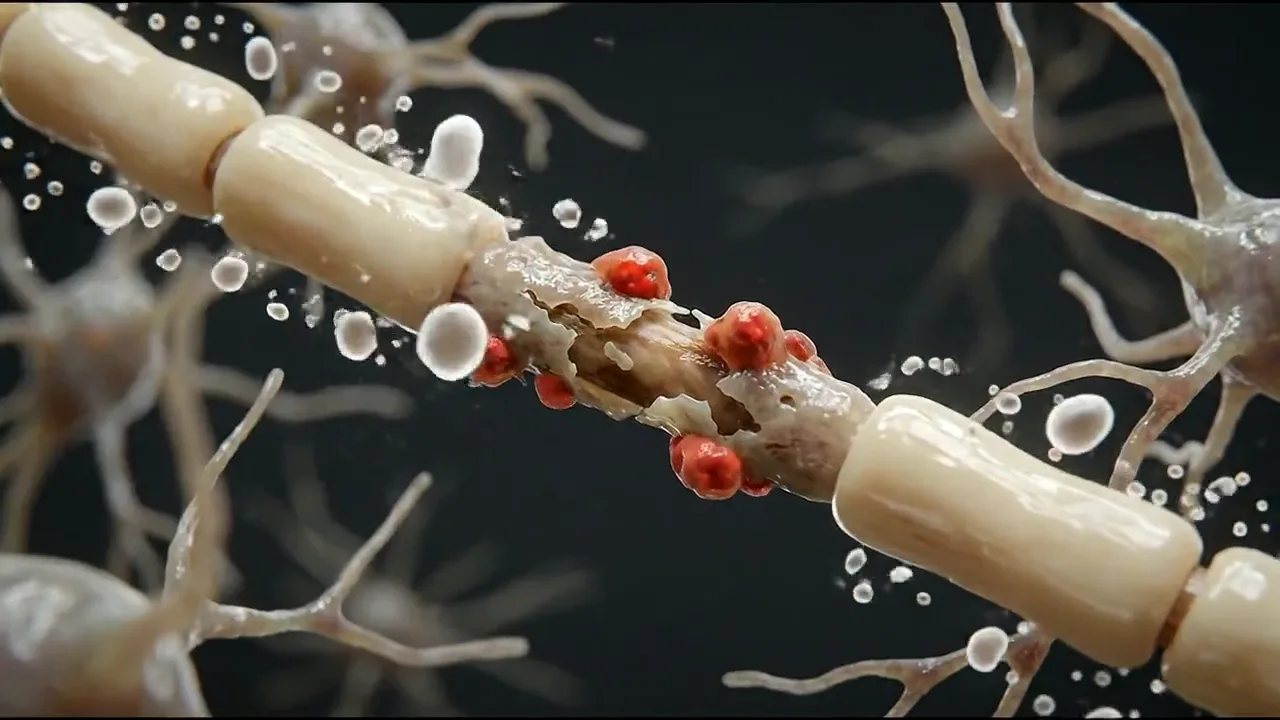
Illustrative animation of a compressed facial nerve recovering its covering.

How treatment is delivered

Three routes. One plan.

For neurological conditions the route matters as much as the product. Your physician may combine intrathecal, intravenous and intranasal delivery in a single program, chosen after reviewing your history, imaging and goals.

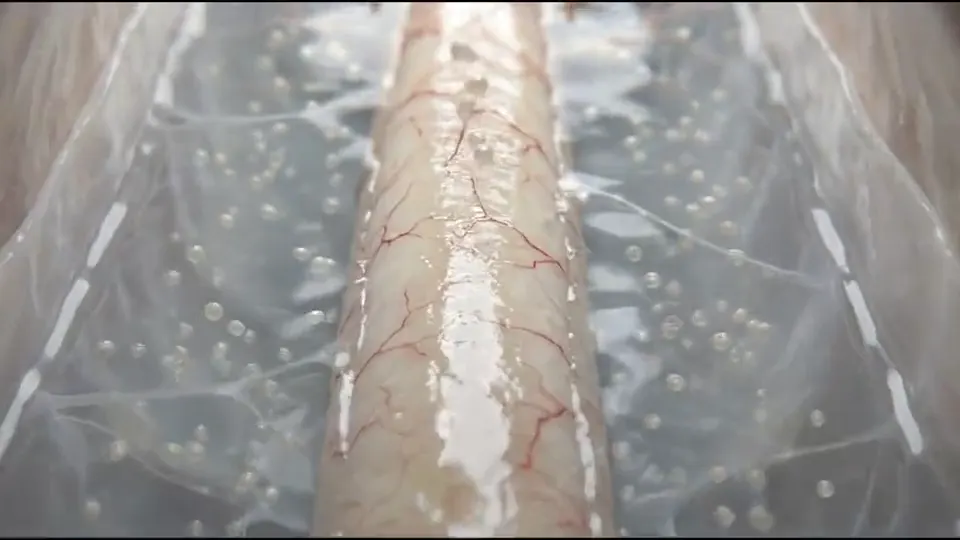
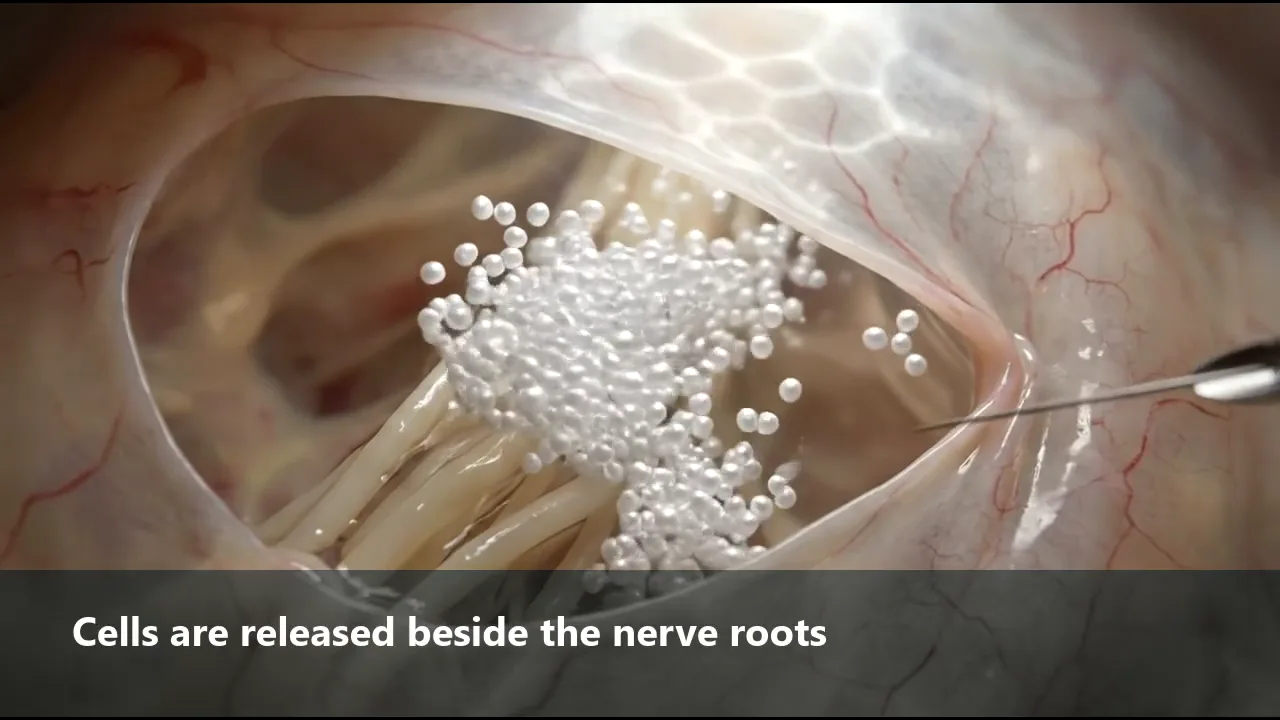
Illustration of cells travelling through clear spinal fluid along the spinal cord.
  1. Intrathecal Into the spinal fluid

    A physician places the preparation into the cerebrospinal fluid through a fine needle at the lower back, under sterile conditions. That fluid surrounds the spinal cord and the brain, which is why this route is central to these programs.

    • Performed by a physician
    • Sterile procedure room
    • Rest and observation afterwards
  2. Intravenous Through the bloodstream

    Stem cells and exosomes are given as a calm, monitored infusion. The circulation carries them through the body, where they are studied for their signalling and immune-modulating effects.

    • Infusion suite
    • Monitored throughout
    • Stem cells and exosomes
  3. Intranasal A simple nasal spray

    Exosomes are also given as a nasal spray. The route is studied because the olfactory nerve offers a short pathway toward the brain, and it needs no needle at all.

    • Needle-free
    • Shown to you in clinic
    • Exosome nasal spray

Your care, the science, your goals

Trigeminal neuralgia. A closer look.

Follow a visual journey from your assessment to the biological ideas being explored. These silent, illustrative films help you prepare for a personal conversation about care in Istanbul.

Illustrative animation of a compressed facial nerve recovering its covering.
01 / 03
Illustrative animation of a compressed facial nerve recovering its covering.

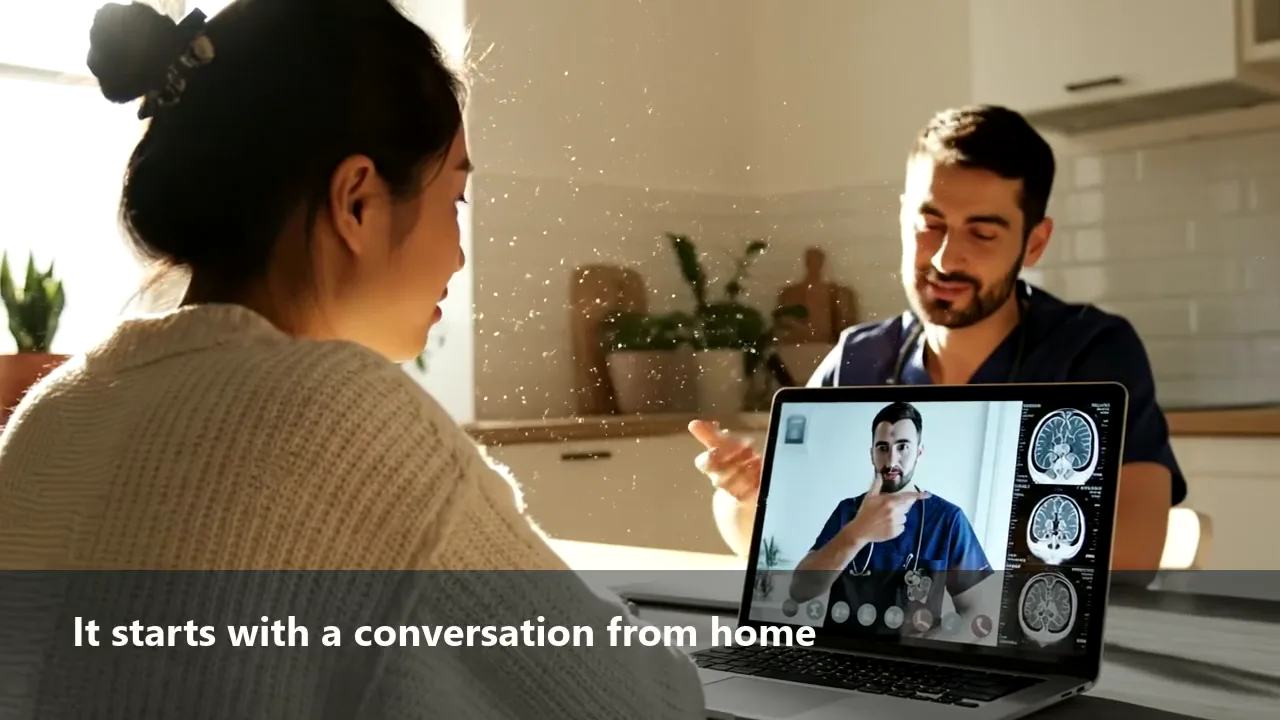
01 Your assessment

Start with what matters to you.

A conversation about trigeminal neuralgia begins with your health history, current care and what you hope to improve. Our Istanbul team can help you explore the next step in an individual medical review.

The scene introduces the subject of your assessment. Your own examination, investigations and care plan will be individual to you.

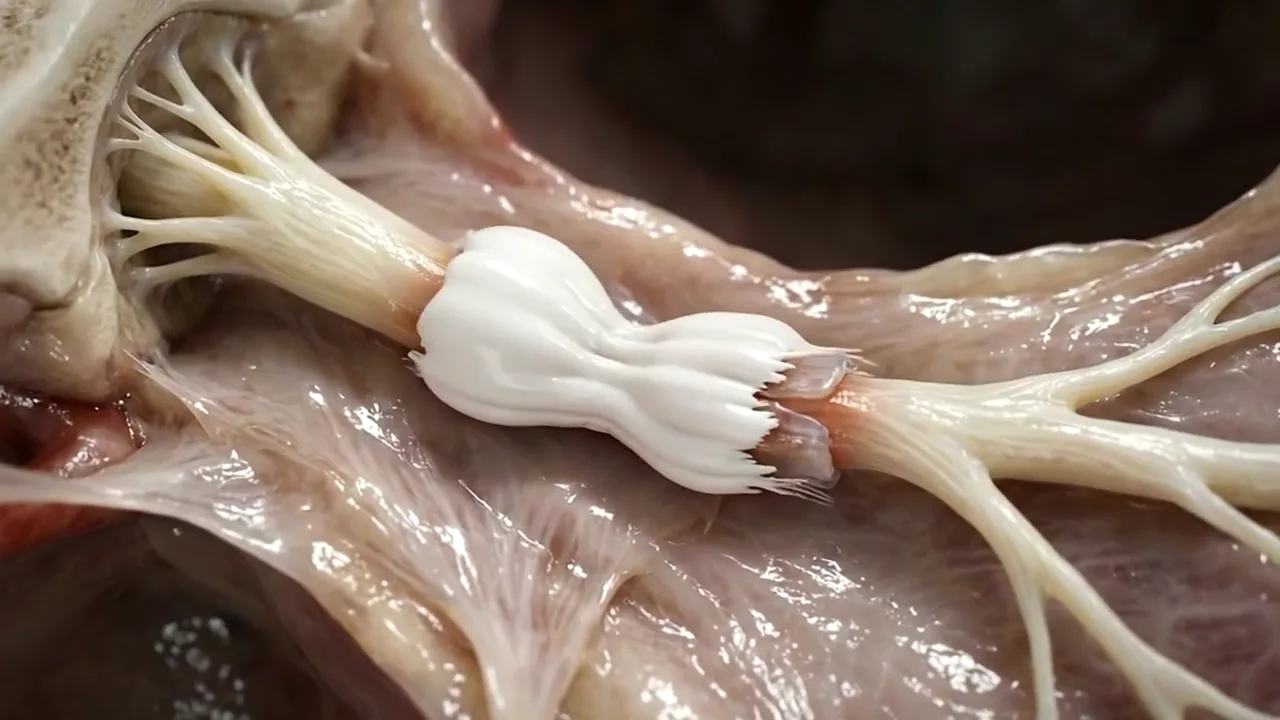
New myelin wrapping a damaged nerve fibre.

02 Inside the concept

Explore the conversation between cells.

The nervous system depends on communication between nerve cells and their surrounding support cells. Researchers investigate this environment, including inflammation and cellular signals. These ideas are distinct from evidence that a treatment restores neurological function.

  • Nerve cells
  • Supporting cells
  • Cell communication
A video consultation with the clinic's physician from home.

03 Your goals

Keep everyday life at the center.

Talk to us about the activities, comfort and wellbeing that matter most to you. A useful consultation connects those personal goals with realistic options, the available evidence and a clear plan for follow-up.

Discuss possible benefits, risks, alternatives and the possibility of no improvement before deciding.

How mechanisms are evaluated before clinical use

Your questions deserve a personal answer.

Request your free case review →Explore clinical studies →
International Patients
Accredited Facility
Pain and Neurology Review
Cell Processing Lab

Understanding Trigeminal Neuralgia

Trigeminal neuralgia (TN) is one of the most severe neuropathic pain conditions known. It affects the trigeminal nerve, also called cranial nerve V, and is characterized by sudden, shock-like bursts of facial pain that can be triggered by completely normal activities such as speaking, brushing teeth, eating, washing the face, or feeling a cool breeze.

For many patients, the pain is not merely uncomfortable. It is disabling. The unpredictability of attacks can create fear around eating, hygiene, conversation, and daily life itself. Some patients also develop lingering background facial pain, sensory discomfort, medication fatigue, and significant emotional strain.

Conventional treatment may include carbamazepine, oxcarbazepine, other neuropathic pain medication, and in selected cases procedures such as microvascular decompression or radiosurgery. Many patients begin exploring mesenchymal stem cell therapy because they want to know whether chronic trigeminal nerve irritation and pain-cycle signaling can be approached more broadly.

Why Trigeminal Neuralgia Happens

Trigeminal neuralgia is not a simple toothache or sinus problem. It is a neuropathic nerve-pain condition with several possible biological drivers:

Neuropathic Facial Pain Syndrome

Trigeminal neuralgia is not typical facial pain. It is a cranial neuropathic pain condition involving abnormal trigeminal nerve signaling.

Compression, Demyelination, or Irritation

Pain may arise from vascular compression, myelin damage, prior intervention, multiple sclerosis, or other chronic trigeminal nerve stressors.

Chronic Pain-Cycle Sensitization

Over time, repeated attacks may contribute to a more sensitized nervous system and increasingly disruptive pain patterns.

Functional and Emotional Burden

TN affects eating, speaking, hygiene, social comfort, and psychological wellbeing in ways that many outsiders underestimate.

Common Symptoms and Daily Burden

Patients seeking trigeminal neuralgia stem cell therapy in Turkey often describe far more than facial pain alone:

Electric Shock-Like Pain Attacks

Trigeminal neuralgia often causes sudden, stabbing, shock-like bursts of pain that can feel unbearable and may stop patients mid-sentence or mid-activity.

Trigger Sensitivity

Pain may be triggered by chewing, brushing teeth, washing the face, speaking, wind exposure, or even light touch in the affected area.

Medication Burden

Many patients rely on medications such as carbamazepine or oxcarbazepine, but side effects and incomplete control often become a major problem.

Sleep, Anxiety, and Quality of Life

The unpredictability and severity of facial pain can deeply affect sleep, confidence, mood, social activity, and normal daily functioning.

How Stem Cells May Help Trigeminal Neuralgia

Mesenchymal stem cells (MSCs) are studied for trigeminal neuralgia because they may influence several pathways relevant to chronic nerve irritation and neuropathic pain. The goal is not to claim a cure, but to explore whether the nerve environment can become less inflammatory, less sensitized, and more biologically stable.

  • Anti-inflammatory modulation that may reduce neuroinflammation around trigeminal pathways
  • Neurotrophic factor secretion such as BDNF, NGF, and GDNF that may support nerve-repair signaling
  • Neuromodulatory effects relevant to chronic pain signaling and central sensitization patterns
  • Reduction of pro-inflammatory cytokine signaling linked to persistent nerve irritation
  • Support for myelin-related nerve integrity in selected neuropathic pain contexts
  • Paracrine signaling that may help reduce aberrant nerve firing patterns and pain-cycle perpetuation

Neuroinflammation Reduction

One of the main reasons patients explore stem cell therapy for trigeminal neuralgia is the possibility of reducing inflammatory and irritative signals around the trigeminal nerve and its pathways.

Neuromodulatory Support

MSCs are studied because they may influence neuropathic pain signaling, sensitization patterns, and the broader environment in which aberrant nerve firing is sustained.

Nerve-Recovery Signaling

Patients are often interested in whether regenerative signaling may support nerve integrity, myelin-related stability, and a reduction in chronic pain-cycle perpetuation over time.

Suffering from Trigeminal Neuralgia?

Submit your neurological notes, MRI reports, medication history, pain pattern, and prior procedure records for a free evaluation by our neurology-aware team in Istanbul.

Why Patients Explore Regenerative Trigeminal Neuralgia Therapy

Patients usually inquire because they are trying to solve several problems at once: unbearable pain attacks, medication side effects, lifestyle limitations, sleep disruption, and fear of triggers.

Neuroinflammation Reduction Goals

Patients often explore regenerative therapy because chronic nerve irritation and inflammatory signaling may contribute to persistent pain cycles.

Neuromodulatory Support

A major reason for interest is whether the nerve environment can be calmed and supported rather than only masked with medication.

Pain and Trigger Reduction

Patients frequently hope for fewer attacks, lower attack intensity, and less hypersensitivity to everyday triggers.

Better Quality of Life

The goal is often not only pain reduction, but also improved sleep, function, confidence, and reduced dependence on heavy medication.

Who May Be Eligible for Trigeminal Neuralgia Stem Cell Therapy in Turkey

Eligibility depends on the suspected cause of the pain, disease duration, imaging, prior treatment history, and overall neurological context:

  • Patients with classic trigeminal neuralgia or chronic neuropathic facial pain patterns
  • Patients with recurrent attacks despite medication or with medication intolerance
  • Patients able to provide neurology notes, MRI imaging, and a clear description of branch involvement and triggers
  • Patients with prior procedures such as microvascular decompression or radiosurgery who still have symptoms
  • Patients who understand that treatment is investigational and should complement, not replace, neurologist or neurosurgical care

Your Evaluation Process in Istanbul

  1. Record Review: Send neurology notes, MRI reports, medication history, prior procedure records, and a clear symptom summary.
  2. Pain Pattern Assessment: The case is reviewed based on pain distribution, trigger pattern, chronicity, suspected mechanism, and prior treatment response.
  3. Protocol Planning: If appropriate, a regenerative neuromodulatory treatment plan is designed based on clinical goals and medical safety.
  4. Treatment and Follow-Up: Patients receive treatment in Istanbul with ongoing guidance that works alongside continued neurological management.

Why International Patients Choose Istanbul

Patients looking for trigeminal neuralgia treatment in Turkey often want neurology-aware review, regenerative medicine access, easier travel logistics, and a more favorable private-treatment cost structure.

Neurology and Pain Review

Trigeminal neuralgia cases benefit from review of MRI findings, medication history, trigger pattern, prior procedures, and branch distribution.

Advanced Regenerative Focus

Our protocols are designed for patients seeking stem cell and exosome-based neuromodulatory support for chronic neuropathic facial pain.

International Patient Access

Istanbul offers strong private medical infrastructure and accessible travel routes for international neurology and pain patients.

Cost Advantage

Turkey often offers a substantial cost advantage compared with many Western private regenerative medicine programs.

Safety, Risks, and Realistic Expectations

Stem cell and exosome therapy for trigeminal neuralgia is best understood as a supportive regenerative option, not a guaranteed cure. Even when MRI and clinical history suggest a reasonable biological case, outcomes are individual and depend on the underlying cause (classical neurovascular compression, demyelinating, post-traumatic, or idiopathic), the duration and severity of the pain pattern, the level of underlying neuroinflammation, the patient's age, comorbidities, and previous treatment history including medications, blocks, or surgical interventions. Every candidate is reviewed individually before treatment in Istanbul.

Most patients tolerate IV and locally administered regenerative procedures well, but it is honest to share the realistic short-term effects so expectations are set clearly. Depending on the route used in the protocol, the following may occur:

  • Mild local tenderness, soreness, or bruising at an injection or IV site for a few days.
  • Temporary fatigue, low-grade headache, or a brief increase in facial sensitivity in the first 24–72 hours.
  • Short-term symptom fluctuation before any gradual neurological improvement is observed.
  • Occasional transient flushing, mild nausea, or low-grade temperature changes.

Serious adverse events are uncommon under medical supervision with properly screened cell products, but no procedure is risk-free. Regenerative therapy does not replace urgent care, prescribed neuropathic-pain medication, microvascular decompression or other surgery when clearly indicated, or specialist neurology follow-up. It should be understood as part of a broader care plan. Patients are encouraged to continue care with their home physician and to review our patient journey, clinical studies, and FAQ resources, so the decision to travel for treatment is made with realistic, well-informed expectations.

Frequently Asked Questions

No. Trigeminal neuralgia is a complex neuropathic facial pain condition and stem cell therapy is not considered a cure. It is explored as an investigational supportive strategy that may help modulate neuroinflammation, support nerve-repair signaling, and reduce pain-cycle intensity alongside neurological management.

Our protocols focus on Wharton's Jelly–derived mesenchymal stem cells (WJ-MSCs), which are studied for anti-inflammatory, neuroprotective, and neuromodulatory properties that may be relevant to chronic trigeminal nerve irritation and neuropathic pain signaling.

Mesenchymal stem cells are often administered by intravenous (IV) infusion for broader anti-inflammatory and neuromodulatory support. Protocol planning depends on MRI findings, pain distribution, prior procedures, medication history, and the suspected pain mechanism.

Patients commonly hope for reduced pain-attack frequency, lower pain intensity, fewer trigger episodes, improved facial comfort, better sleep, reduced medication burden, and better quality of life. Results vary depending on the underlying cause, disease duration, and prior interventions.

Yes. Regenerative treatment should be viewed as complementary, not as a replacement for neurological care. Patients may still need carbamazepine, oxcarbazepine, gabapentinoids, or other specialist-directed management.

Treatment in Istanbul is often significantly more affordable than comparable private regenerative medicine protocols in the US or Western Europe. Final pricing depends on the clinical complexity, medical review required, protocol design, and whether exosome support is included.

Trigeminal neuralgia may be related to neurovascular compression, demyelination, prior injury, post-surgical irritation, multiple sclerosis, or other causes of chronic trigeminal nerve dysfunction. In some patients, the exact cause is not fully clear.

Some patients with multiple sclerosis develop trigeminal neuralgia because of demyelinating injury affecting trigeminal pathways. In those cases, treatment planning must consider both the facial pain syndrome and the underlying neurological disease context.

Please send neurology notes, MRI reports, pain history, medication list, prior procedures such as microvascular decompression or radiosurgery if applicable, and a clear description of which trigeminal branches are involved and what triggers the pain.

No. Stem cell therapy for trigeminal neuralgia is investigational and should not replace neurologist care, medication management, or neurosurgical evaluation when indicated.

Medical Disclaimer

Stem cell therapy for trigeminal neuralgia is investigational. Results vary and are not guaranteed. Treatment does not replace neurological care, pain management, medication review, or neurosurgical consultation when indicated.

Free case reviewIstanbul, TurkeyReply within 24–48 hoursStem cells & exosomes

Exploring Regenerative Options for Trigeminal Neuralgia?

Submit your neurological records and imaging for a free evaluation by our Istanbul pain management team.

Or call directly: +90 534 856 92 92

Animations are optional.

Optional analytics is off until you choose.

May we use Google Analytics cookies to count interactions such as consultation requests and contact-button clicks? Your choice is optional and does not affect access to our services. You can change it here at any time. Read our privacy policy.